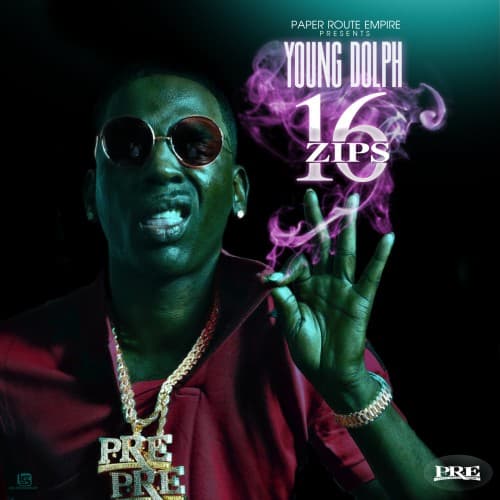
16 Zips
Young Dolph's 2015 mixtape, "16 Zips," delivers confident, hard-hitting Memphis trap. Gritty beats and unflinching street narratives define this raw, assertive listen.
July 28, 2015 · Paper Route Empire
Young Dolph's 2015 mixtape, "16 Zips," delivers confident, hard-hitting Memphis trap. Gritty beats and unflinching street narratives define this raw, assertive listen.
July 28, 2015 · Paper Route Empire
16 Zips is a potent dose of Young Dolph's signature Memphis trap, delivered with an unshakeable confidence that permeates every beat and bar. This isn't background music; it's a declaration. The production, handled by a roster of Southern hip-hop heavyweights like Drumma Boy, DJ Squeeky, and Zaytoven, ensures a sonic landscape that is both gritty and meticulously crafted, full of booming 808s, sharp snares, and often, a haunting melodic undercurrent. Dolph's deadpan, yet intensely focused, delivery cuts through the dense instrumentation, painting vivid pictures of street life and the relentless pursuit of success. The album feels like a journey through the urban night, a soundtrack for those who navigate its complexities with a clear vision and an iron will. It's an affirmation of identity and ambition, rooted deeply in the realities of the streets, but always looking forward. The collaborations with artists like T.I., Slim Thug, and Jadakiss seamlessly integrate, adding layers to the narrative without ever overshadowing Dolph's commanding presence. Each track builds on the last, creating a cohesive, immersive experience that speaks to the grind, the triumphs, and the ever-present challenges. Ultimately, 16 Zips is for anyone who appreciates authentic, no-frills trap music with substance. It's an album that demands respect, much like Dolph himself. It's a testament to his evolving hustle, showcasing a rapper at the peak of his early-career confidence, ready to solidify his place in the rap game. Own this if you want to feel empowered, grounded in reality, and ready to face whatever comes next with unwavering self-belief.
How does 16 Zips sound next to the rest of Young Dolph's catalogue?
The writing leans a touch further into social commentary than the rest of the catalogue.
Cassette uses generative AI to enrich its catalog. How we use AI →