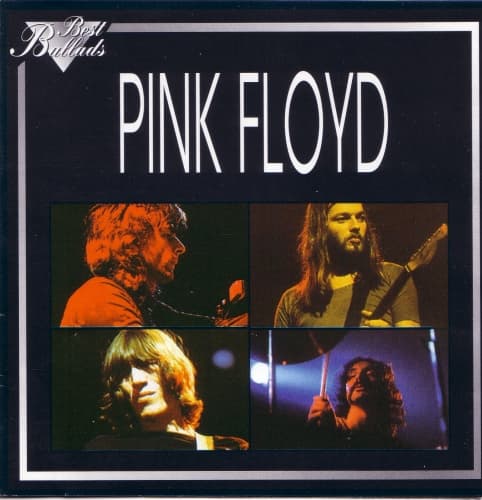
Best Ballads
A curated journey through the band's most intimate and atmospheric moments, trading stadium bombast for late-night introspection and bluesy, slow-burn elegance.
A curated journey through the band's most intimate and atmospheric moments, trading stadium bombast for late-night introspection and bluesy, slow-burn elegance.
Pink Floyd's Best Ballads is a curated descent into the softer, more vulnerable underbelly of a band often associated with stadium-sized spectacles and complex conceptual narratives. By stripping away the aggressive synthesizers, the biting social critiques, and the frantic rhythmic shifts, this collection reveals the group as masters of the slow-burn. It is an album defined by the space between the notes, where David Gilmour’s blues-inflected guitar work acts as a second vocalist, weeping and soaring over Rick Wright’s pillowy organ textures. The experience is akin to watching a slow-motion film of a sunset; there is a profound sense of beauty coupled with an underlying melancholy that never quite resolves. What makes this specific compilation essential is how it recontextualizes familiar tracks into a singular, cohesive mood. When heard in this sequence, the songs lose their attachment to their original concept albums and become part of a long, nocturnal meditation. The production is characterized by a rich, analog warmth that feels tactile, as if you can hear the vacuum tubes in the amplifiers glowing. It is a masterclass in restraint, proving that Pink Floyd was often at their most powerful when they were at their quietest. Owning this album is about claiming a specific headspace. It is for those moments when the world feels too loud and you need music that does not demand your energy, but rather provides a vessel for your own introspection. It is the definitive soundtrack for the blue hours of the night, offering a blend of comfort and existential weight that few other artists can replicate. It turns the act of listening into a form of quiet rebellion against the frantic pace of modern life.
How does Best Ballads sound next to the rest of Pink Floyd's catalogue?
The writing leans far further into self examination than the rest of the catalogue.
Cassette uses generative AI to enrich its catalog. How we use AI →