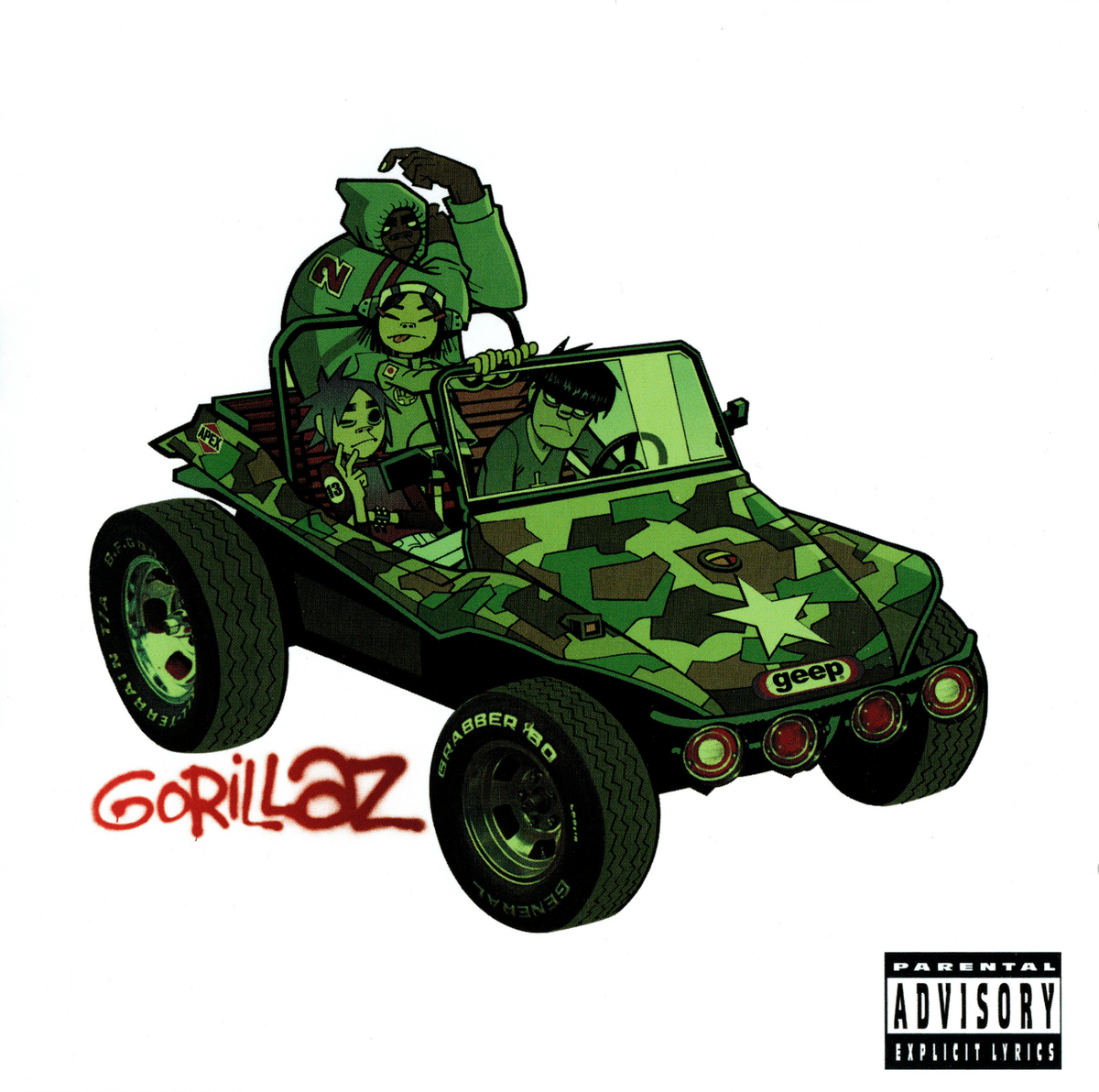
Gorillaz
A dusty, dub-heavy collision of hip-hop beats and melancholic pop. It sounds like a cartoon band playing in a beautiful, decaying city at 2am.
March 24, 2001 · Parlophone
A dusty, dub-heavy collision of hip-hop beats and melancholic pop. It sounds like a cartoon band playing in a beautiful, decaying city at 2am.
March 24, 2001 · Parlophone
A dusty, tape-saturated collision of dub, hip-hop, and indie rock emerges from a fictional cartoon collective, establishing a gritty blueprint for genre-fluid pop. Co-produced by Dan the Automator, the record thrives on a haunted London basement aesthetic, where skeletal drum machines and heavy basslines meet a weary, deadpan vocal delivery. The result is an atmospheric, urban-night landscape that feels both futuristic and beautifully falling apart at the seams.
How does Gorillaz sound next to the rest of Gorillaz's catalogue?
The writing leans notably further into surreal abstract than the rest of the catalogue.
Cassette uses generative AI to enrich its catalog. How we use AI →


