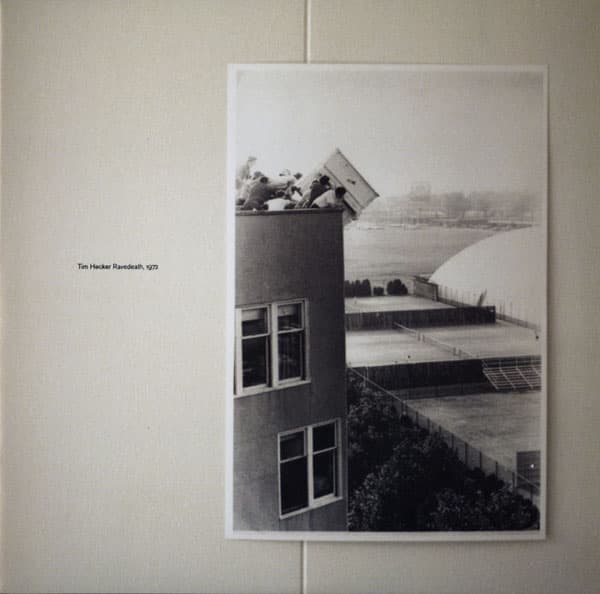
Ravedeath, 1972
A towering, claustrophobic masterpiece of decaying pipe organ and digital static recorded in an Icelandic church. Beautiful, heavy, and deeply haunting.
A towering, claustrophobic masterpiece of decaying pipe organ and digital static recorded in an Icelandic church. Beautiful, heavy, and deeply haunting.
Masterpiece of decay
A freezing Icelandic sanctuary transformed the pipe organ from a relic of sacred devotion into a weapon of digital decay, marking the precise boundary where ambient music became physical violence. By feeding those ancient, wind-blown pipes through a gauntlet of distortion pedals and laptop feedback, this record permanently shattered the polite boundaries of modern classical composition. You are not merely listening to a performance; you are trapped inside a collapsing cathedral of sound where beauty and terror fuse. It remains the definitive monument of the genre, proving that digital ruin could possess a soul as heavy as stone.
Critics widely admired the album's dark and disorienting atmosphere, finding its intricate blend of historical echoes and heavy, physical textures to be deeply absorbing. Reviewers warmly embraced the record's powerful soundscapes, noting that its claustrophobic density creates a profoundly immersive, near-transcendent experience.
“A dark and often claustrophobic record that is arguably Hecker’s finest work to date”Read review
“Hecker’s freshest exploration of the life of rave death comes thoroughly recommended”
“Ravedeath, 1972 is so amorphous and ungraspable that it ranks as Hecker’s most disorienting record, and therefore, perhaps, his scariest”
“At high volume, Ravedeath, 1972 approaches transcendence, achieved through the overwhelmingly physical resonance of channeling the past through the present”Read review
“Draws upon the grandeur of the past but refuses to crumble its bones into sonic dust”Read review
“Complex and rewarding”Read review
“His most powerful album yet”Read review
Cassette uses generative AI to enrich its catalog. How we use AI →