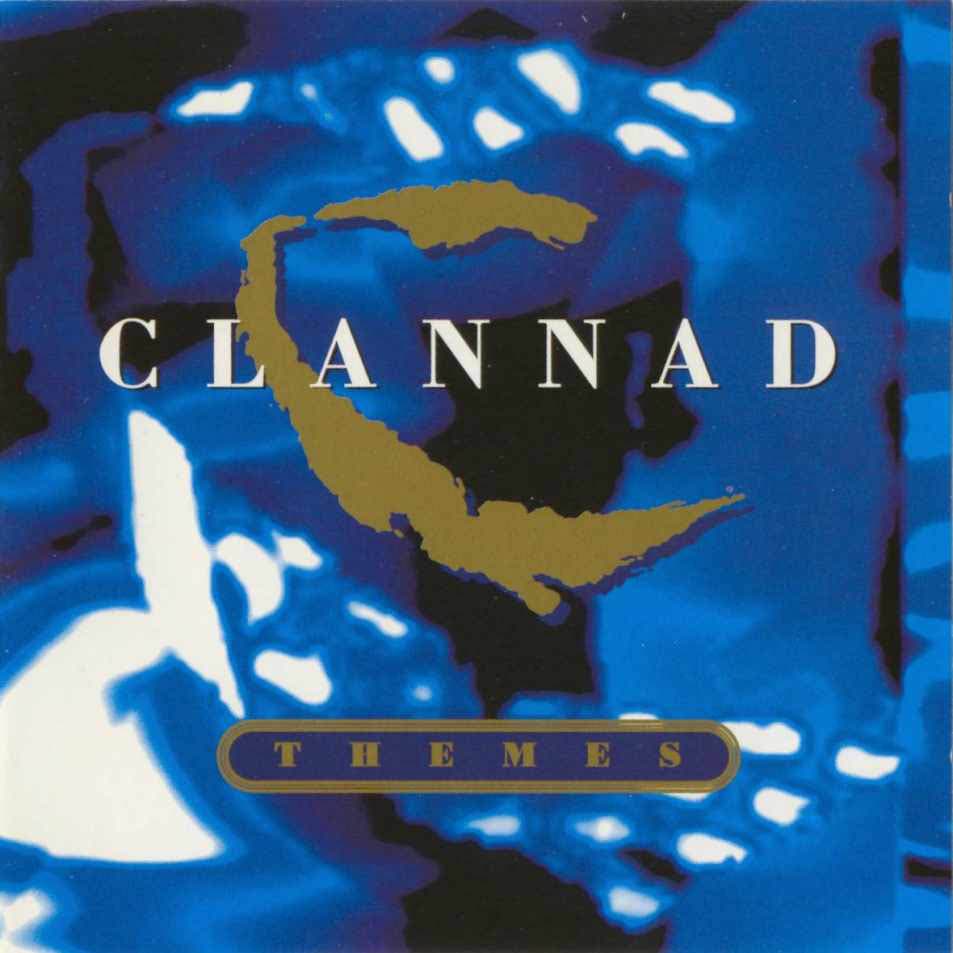
Themes
A cinematic collection of ethereal Celtic atmospheres and shimmering synth-folk, capturing the mist-shrouded landscapes of Irish myth and modern television history.
1992 · K-Tel
A cinematic collection of ethereal Celtic atmospheres and shimmering synth-folk, capturing the mist-shrouded landscapes of Irish myth and modern television history.
1992 · K-Tel
Clannad's 'Themes' is less a standard compilation and more a curated journey through the 'Celtic Twilight' aesthetic they helped define. It sounds like the intersection of ancient folklore and modern technology, where the cold, crystalline textures of 1980s synthesizers meet the warm, organic breath of Gaelic vocal harmonies. The album feels deeply rooted in the landscape of County Donegal, evoking images of jagged cliffs, grey seas, and peat smoke rising into a violet dusk. It is music that prioritizes atmosphere over rhythm, creating a sense of suspended time that is both comforting and slightly eerie. What makes this specific collection distinctive is its cinematic focus. Because these tracks were composed for film and television, they possess a narrative weight and a grandiosity that their earlier, more traditional folk records lacked. The production is lush and expansive, utilizing heavy reverb to create a 'cathedral' effect that makes the Brennan siblings' voices sound like they are echoing through history. It is the definitive document of the 'Clannad sound' - a style that would go on to influence everyone from Enya to modern ambient composers. Someone should own this album if they seek music that functions as a portal to another world. It is the perfect companion for moments of deep solitude or creative reflection, providing a sonic backdrop that is rich enough to reward close listening but unobtrusive enough to facilitate a meditative state. It captures a specific era of Irish cultural export where the traditional was reimagined through a high-fidelity, widescreen lens, resulting in a listening experience that remains hauntingly beautiful decades later.
How does Themes sound next to the rest of Clannad's catalogue?
The writing leans notably further into mythology than the rest of the catalogue.
Cassette uses generative AI to enrich its catalog. How we use AI →