Formed in Gothenburg, Sweden in 2012, Abandoned by Bears is a cornerstone of the modern easycore movement. Founded by Gustav Eriksson and Fredric Andersson, the band was born from a desire to bridge the gap between the 'fun' digestible nature of pop-punk and the technical aggression of hardcore and metal.
Their sound is characterized by a dual-vocal attack, high-tempo drumming, and a seamless integration of synthesizers that adds a 'video game' brightness to their heavy breakdowns. Unlike many of their peers who rely on external producers, the band maintains a strictly self-produced workflow, allowing for an unorthodox songwriting process where instruments and roles are frequently swapped. Culturally, they represent the international reach of the 'ezcrab' subculture, maintaining a strong following in the US and Europe. Critical consensus highlights their ability to maintain high energy without sacrificing melodic integrity, positioning them alongside acts like Chunk! No, Captain Chunk! as leaders of the genre's second wave.


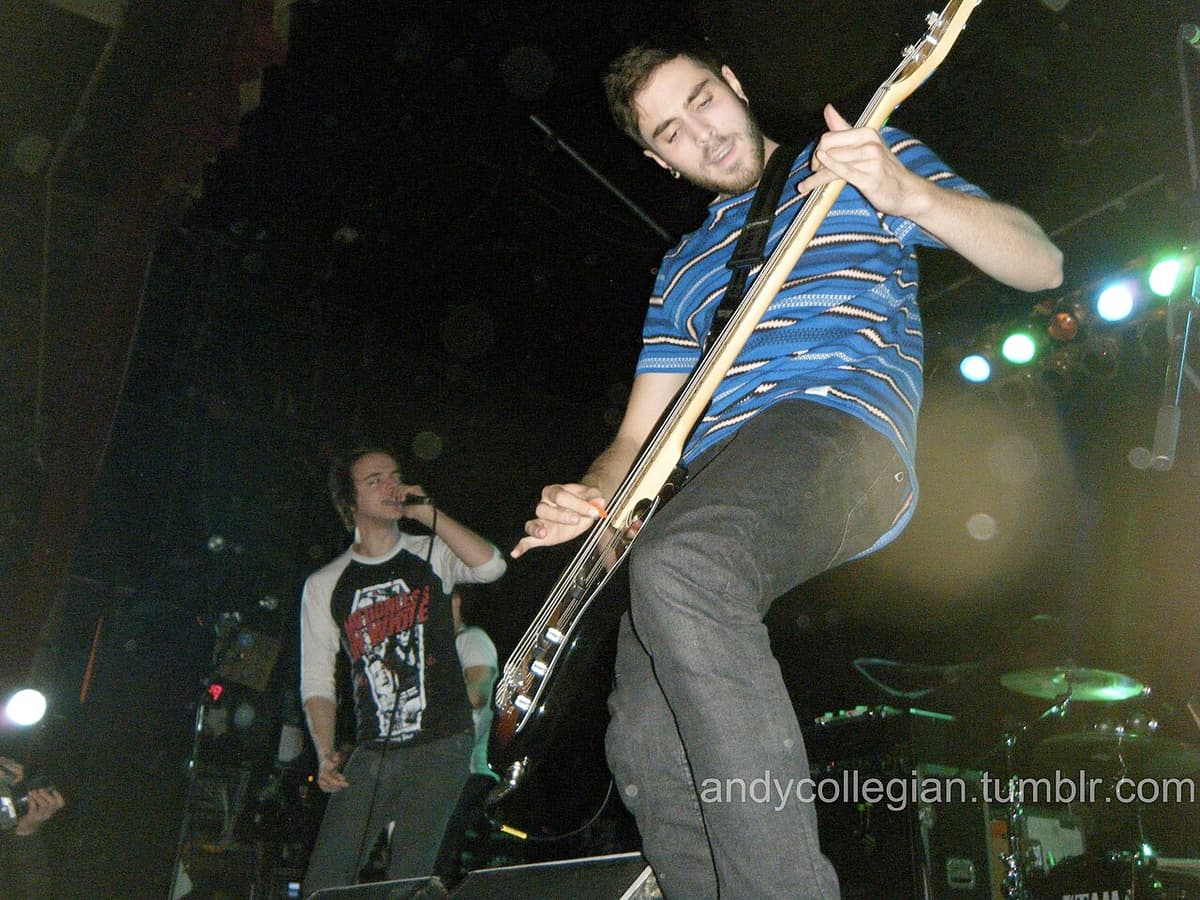
Shares post-hardcore, alternative metal (subgenres); basement_show, festival, summer (atmosphere)
Shares post-hardcore, alternative metal, hardcore punk (subgenres); electric guitar, drums, keys/synth (instrumentation)
Shares post-hardcore, alternative metal, hardcore punk (subgenres); energetic, playful, defiant (moods)
Shares post-hardcore, hardcore punk (subgenres); energetic, defiant, playful (moods)
Shares hardcore punk, post-hardcore (subgenres); basement_show, festival, summer (atmosphere)
Shares studio_polished, layered_dense, digital_clarity (production style); post-hardcore, alternative metal (subgenres)
Shares post-hardcore, alternative metal (subgenres); studio_polished, layered_dense, digital_clarity (production style)
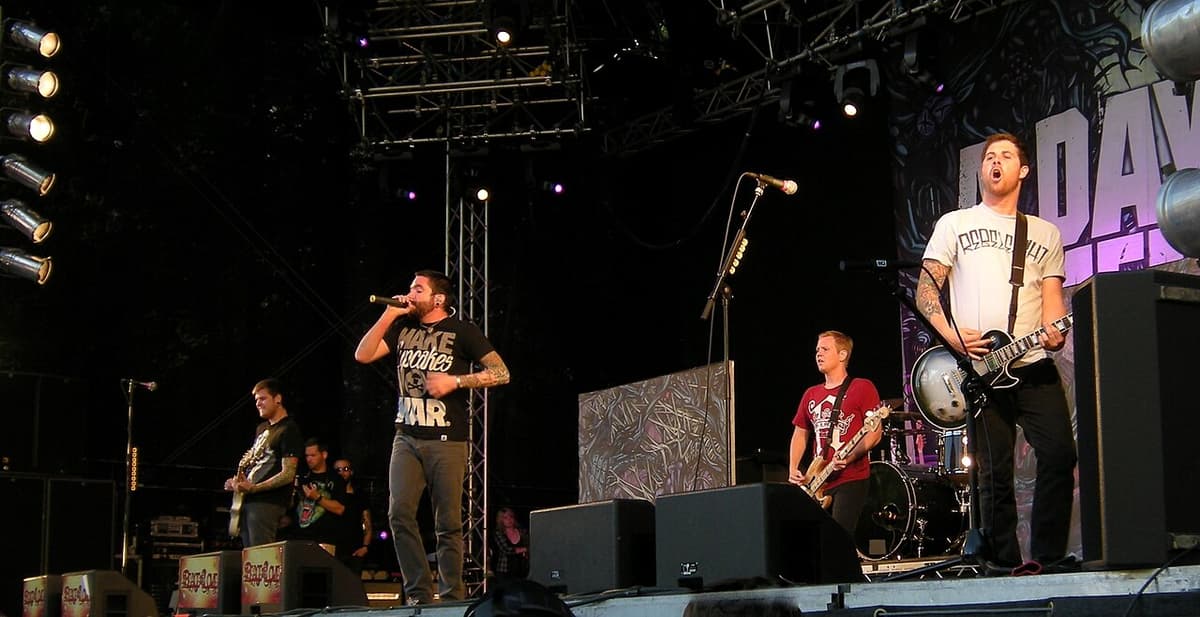
Shares easycore, explosive_bursts, post-hardcore, alternative metal (signature)
Cassette uses generative AI to enrich its catalog. How we use AI →