Abyss (Spain) emerged in the late 1990s as a significant contributor to the Spanish progressive power metal movement. While the name 'Abyss' is shared by numerous global acts, this specific iteration is defined by their work on albums like Redención (2002) and Sin ángeles (2004).
Their sound identity is built upon the pillars of neoclassical metal, featuring high-velocity guitar work, prominent symphonic keyboards, and operatic vocal delivery in Spanish. They occupy a cultural space alongside bands like Mago de Oz or WarCry, though with a more pronounced focus on progressive structures and mythological themes. Critically, they are regarded as a cult favorite of the era, praised for their technical proficiency and the ability to weave complex narratives without sacrificing melodic accessibility. Their influence is most felt within the niche of Ibero-American metal, where they helped bridge the gap between traditional 80s heavy metal and the more polished, symphonic styles of the 21st century.
Shares neoclassical synth flourishes, progressive metal, power metal, mountain (detail)
Shares dual guitar harmony leads, progressive metal, power metal, belting (detail)
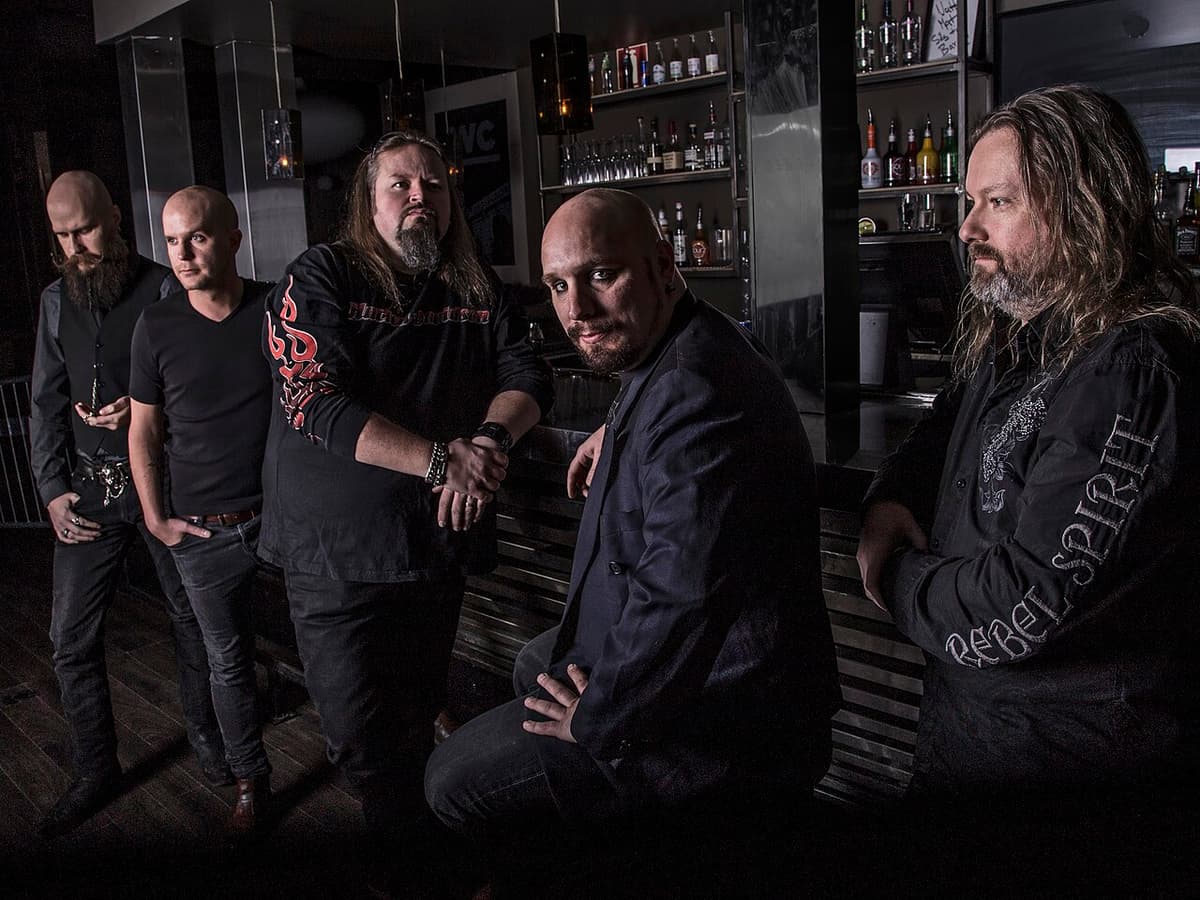
Shares progressive metal, power metal, mountain, belting (signature)
Shares progressive metal, power metal, mountain, heavy metal (signature)
Shares progressive metal, power metal, mountain, heavy metal (signature)
Shares neoclassical synth flourishes, power metal, progressive metal, belting (detail)
Shares progressive metal, power metal, heavy metal, cathedral (signature)
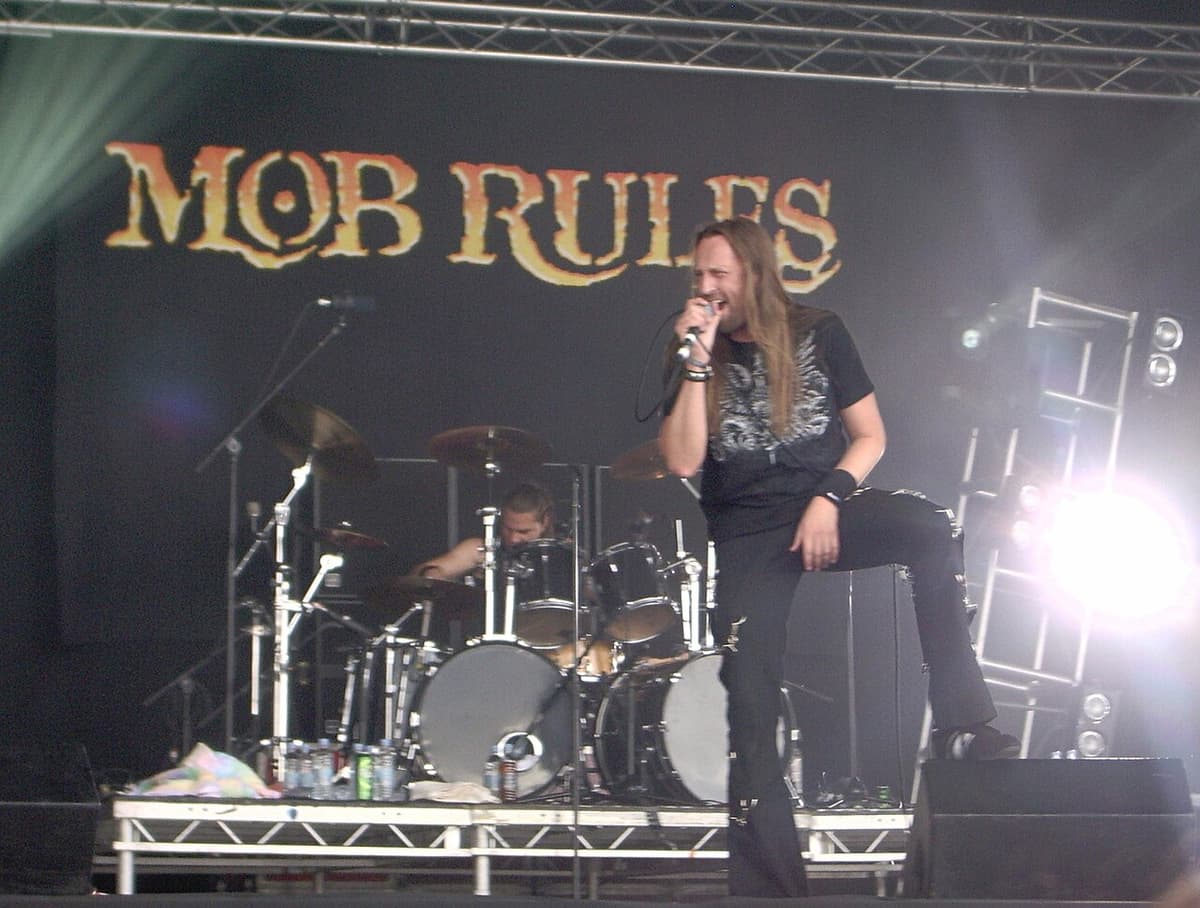
Shares mythology, progressive metal, power metal, mountain (signature)
Cassette uses generative AI to enrich its catalog. How we use AI →