Adam Yokum creates music that feels deeply rooted in the geography of his upbringing. It is indie rock with a distinct Appalachian heartbeat, trading the cynicism of the city for the earnestness of the hills. His sound is characterized by warm acoustic foundations that often bloom into shimmering, melodic electric arrangements, mirroring the expansive feeling of a mountain overlook.
What sets him apart is the intimacy of his delivery. There is a bedroom-pop sensibility to the way his vocals are captured, sounding like a confidence shared between friends rather than a performance for a crowd. This proximity makes his reflections on home, hope, and heritage feel personal and lived-in, avoiding rural clichés in favor of genuine emotional resonance.
Start with 'BUTTERFLY' or 'evergreen' to hear his ability to blend organic textures with modern indie sensibilities. It is the perfect soundtrack for those moments when you need to feel grounded, whether you are actually in the wilderness or just trying to find a bit of that stillness in a crowded room.
Shares nostalgic, hopeful, bittersweet (moods); gentle, breathy (vocal style)
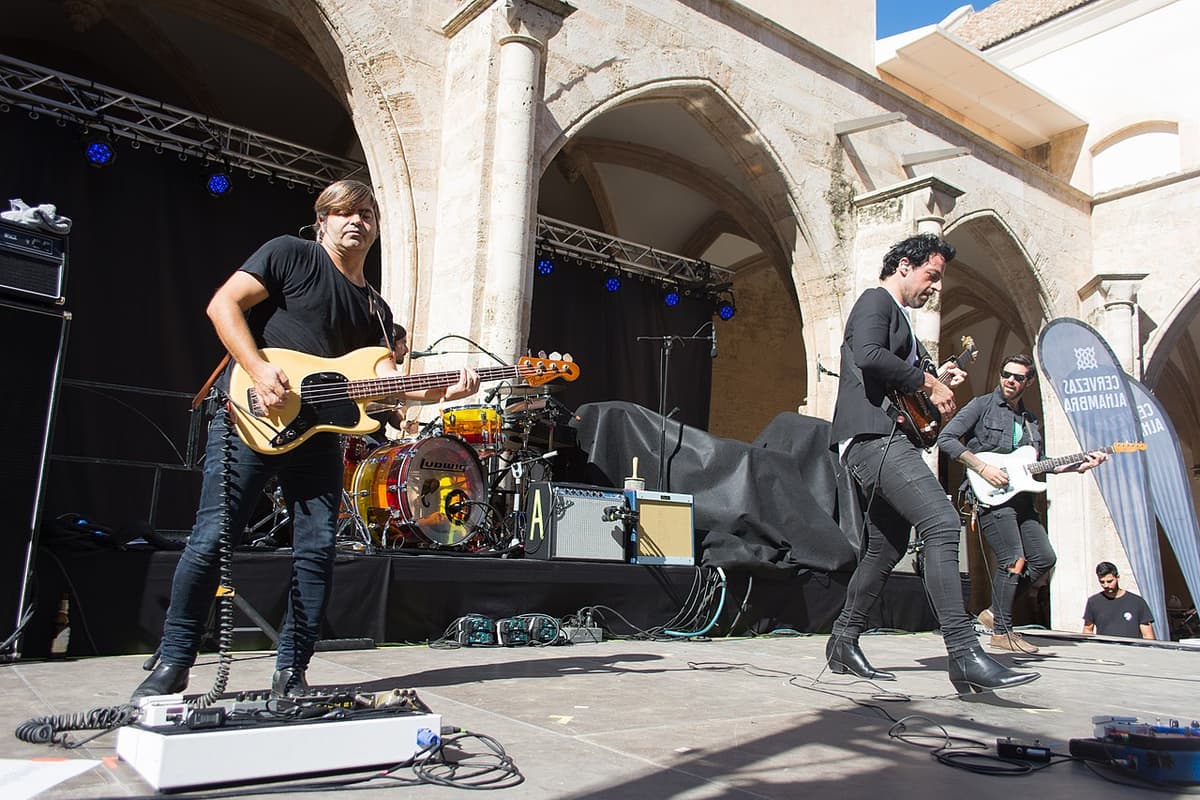

Shares bedroom production, analog warmth, stripped back (production style); indie rock, indie pop (subgenres)
Shares bedroom production, analog warmth, stripped back (production style); indie rock, americana (subgenres)
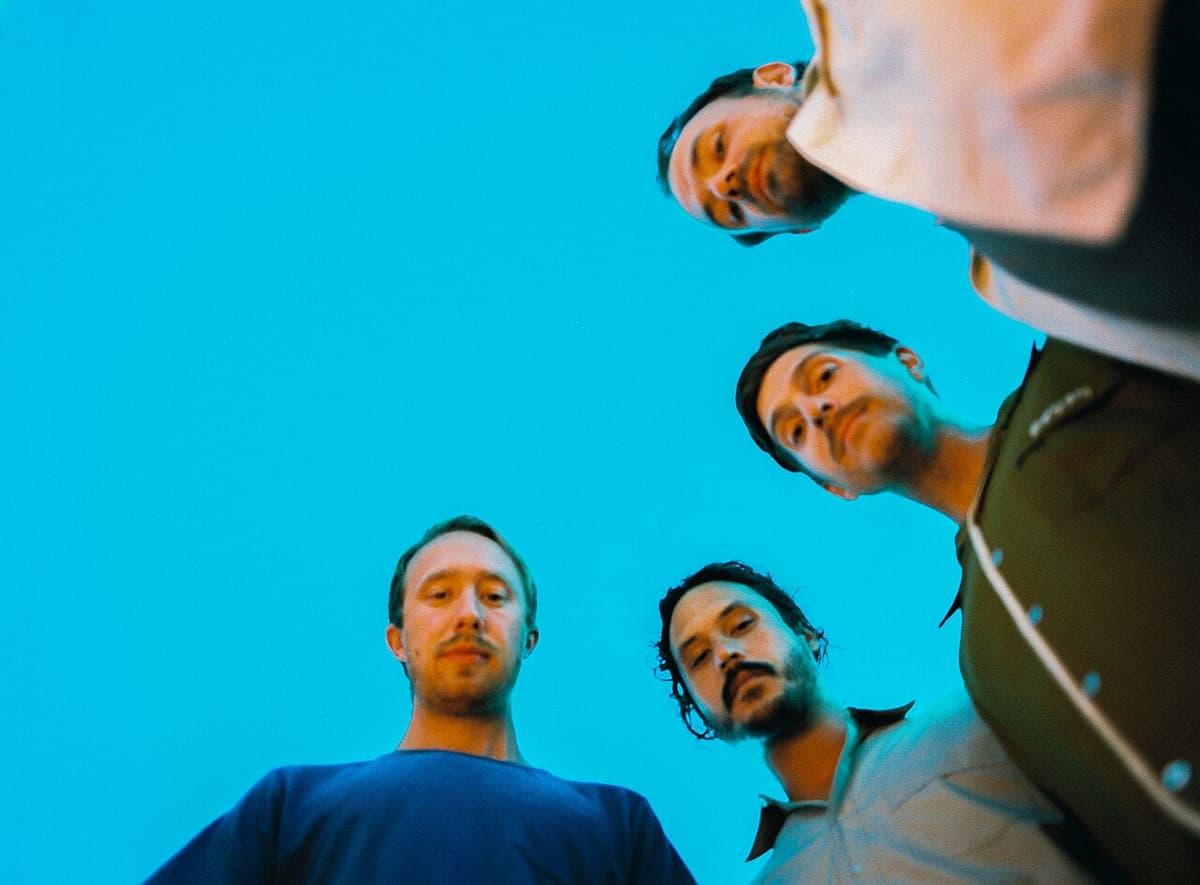
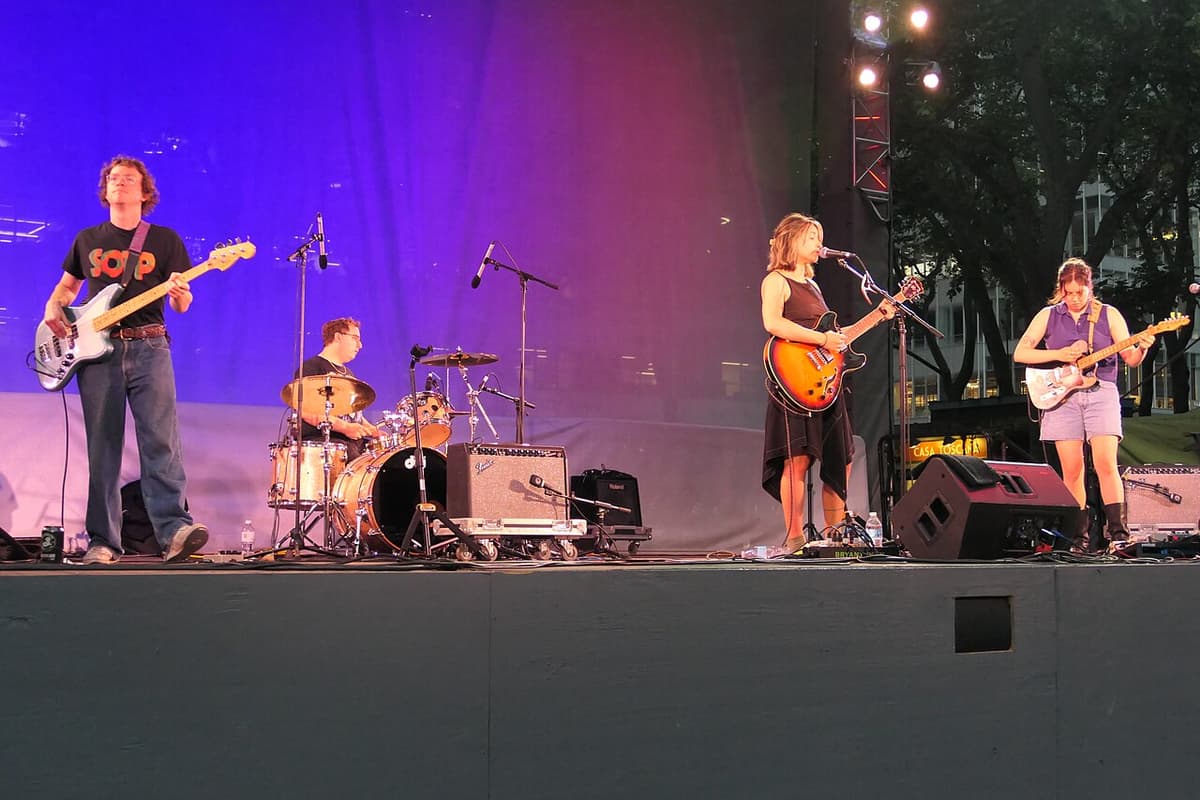
Shares bedroom production, analog warmth, stripped back (production style); nostalgic, bittersweet, contemplative (moods)
Shares indie rock, americana (subgenres); bedroom production, analog warmth, stripped back (production style)
Shares indie rock, indie pop (subgenres); bedroom production, analog warmth, stripped back (production style)
Shares nostalgic, hopeful, bittersweet (moods); gentle, breathy (vocal style)
Shares nostalgic, bedroom production, hopeful, indie rock (signature)
Cassette uses generative AI to enrich its catalog. How we use AI →