Aerodrone, founded in 2005 by Gary Zon in Eugene, Oregon, represents a pivotal moment in the mid-2000s convergence of indie rock and electronic dance music. Originally gaining traction through MySpace and MTVU, the project served as a vehicle for Zon's digital compositions, which blended New Wave sensibilities with modern electro-house production.
The band's sound identity is characterized by prominent keytar leads, vocoded vocals, and a 'maximalist-lite' approach to digital arrangement. Throughout their career, which saw a move to California and various lineup shifts, they maintained a consistent focus on high-tempo, danceable tracks that resonated with the 'scene' subculture. Critically, they are viewed as a bridge between the dark synth-pop of The Faint and the more commercial indie-pop of the early 2010s. Their influence is most felt in the DIY electronic spaces where rock instrumentation and digital synthesis overlap, maintaining a cult following among collectors of 2000s indietronica and neon-pop artifacts.
Shares synth-pop, indie rock, new wave (subgenres); energetic, playful, rebellious (moods)
Shares processed, deadpan, nasal (vocal style); synth-pop, new wave (subgenres)
Shares synth-pop, indie rock, new wave (subgenres); energetic, playful, rebellious (moods)
Shares energetic, playful, rebellious (moods); indie rock, new wave, electropop (subgenres)
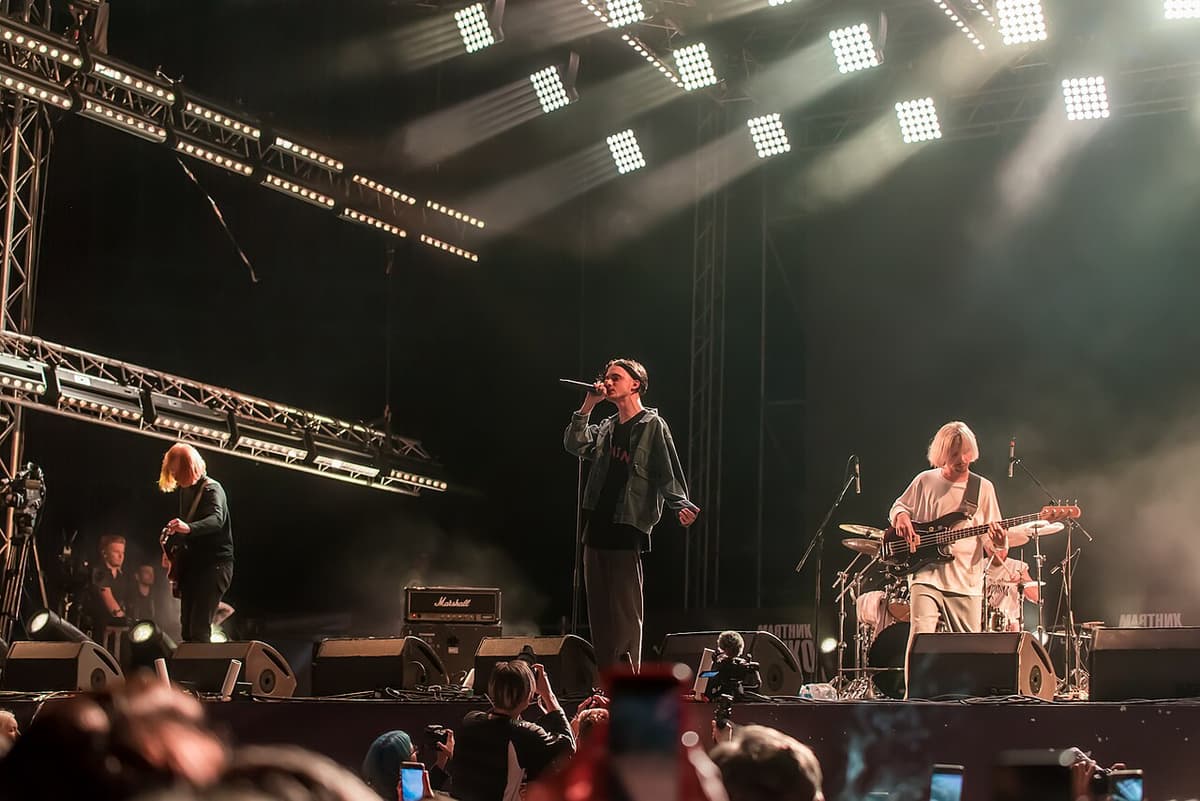
Shares digital_clarity, compressed_loud, bedroom_production (production style); processed, deadpan, nasal (vocal style)
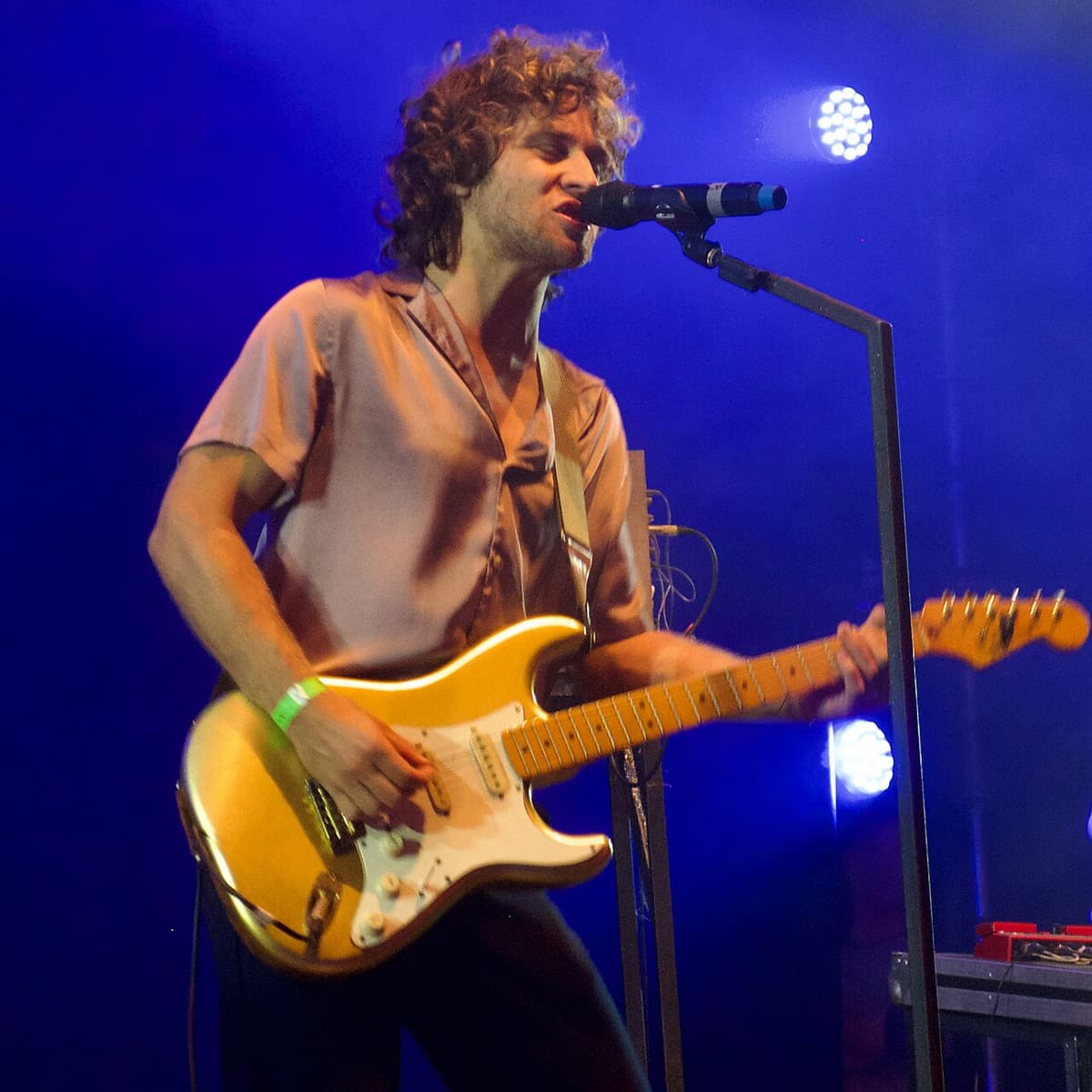
Shares digital_clarity, compressed_loud, bedroom_production (production style); processed, deadpan, nasal (vocal style)
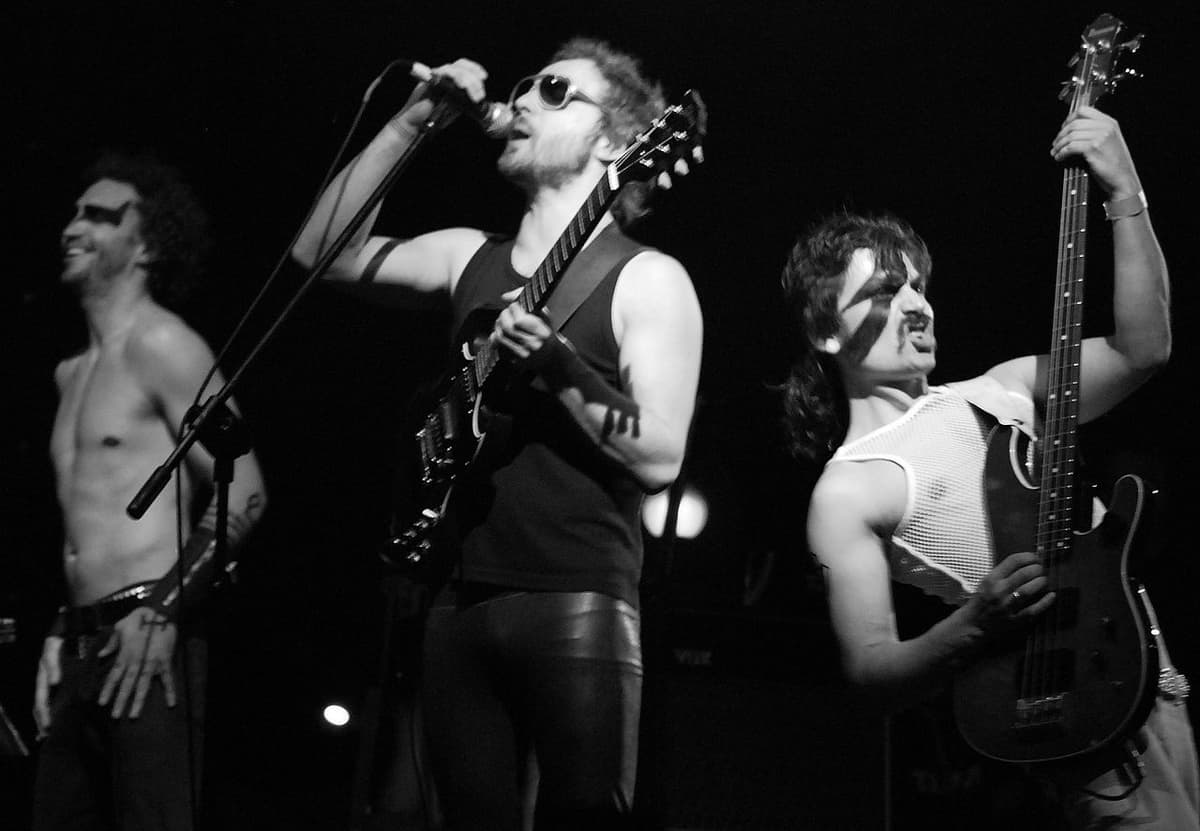
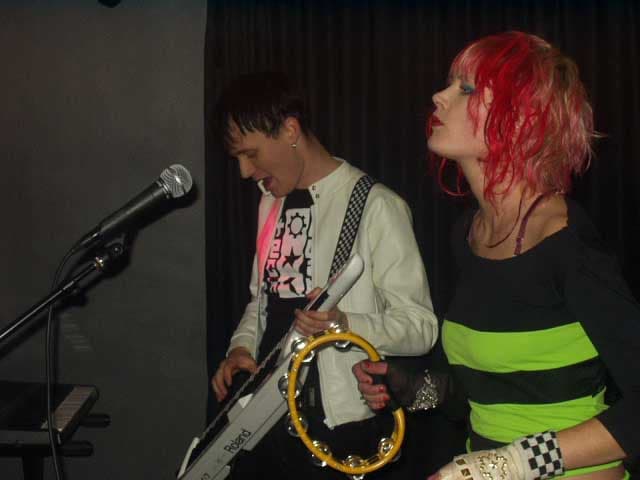
Shares synth-pop, electropop, new wave (subgenres); playful, rebellious, energetic (moods)
Shares new wave, electropop, nasal, bedroom_production (signature)
Shares keys/synth, new wave, electropop, indie rock (signature)
Cassette uses generative AI to enrich its catalog. How we use AI →