
Ajda Pekkan
High-glamour Turkish pop that blends cinematic orchestrations with disco energy. Sophisticated, empowering, and undeniably iconic music for owning the room.
High-glamour Turkish pop that blends cinematic orchestrations with disco energy. Sophisticated, empowering, and undeniably iconic music for owning the room.
Listening to Ajda Pekkan is like stepping into a high-budget 1970s film set in Istanbul. Her music carries an unmistakable weight of authority, blending the lush, sweeping string arrangements of French chanson with the rhythmic drive of Mediterranean disco. It is music that feels expensive, curated, and deeply confident, anchored by a vocal performance that never wavers in its poise.
What truly sets her apart is the 'Superstar' persona: a blend of Western modernization and Turkish emotional depth. While her early work mastered the 'aranjman' style of adapting European hits, she infused them with a specific Turkish urbanity that redefined the role of the female soloist. Her sound is characterized by sharp brass stabs, shimmering synths, and a vocal presence that commands absolute attention.
Start with her 1970s classics like 'Hoş Gör Sen' to hear the peak of her disco-pop fusion, or explore 'Süperstar' to understand why she remains the blueprint for every Turkish pop artist who followed. It is the definitive soundtrack for moments that require both elegance and a defiant, dancing spirit.
Ayşe Ajda Pekkan (Turkish pronunciation: [aʒˈda pekˈkan]; born 12 February 1946) is a Turkish singer. She is known by the title "superstar" in the Turkish media. Pekkan became a prominent figure of Turkish pop music with her songs, in which she tried to create a strong female figure. By keeping her works updated and getting influence from Western elements, she managed to become one of Turkey's modern and enduring icons in different periods. Her musical style has kept her popular for more than 50 years and has inspired many of her successors. Pekkan is highly respected in the music industry and her vocal techniques together with many of her albums were praised by music critics. Born in Beyoğlu, Istanbul, Pekkan's musical career began in the early 1960s when she appeared in a nightclub as a member of the music group Los Çatikos. However, in 1963, when she won the Ses magazine's cinema artist competition, she became known as an actress, and for a number of years she pursued an acting career. In the same year, she played the leading role in her first film Adanalı Tayfur and became one of the young faces of Turkish cinema at the time. Over the next six years, she starred in nearly 50 black and white films, including Şıpsevdi (1963), Hızır Dede (1964) and Şaka ile Karışık (1965). She eventually quit acting and focused entirely on her singing career. Pekkan spent the first twenty years of her singing career with dozens of songs released as cover versions. These songs, which were generally written by Fikret Şeneş and included "Kimler Geldi Kimler Geçti", "Palavra Palavra", "Sana Neler Edeceğim", "Hoş Gör Sen", "Sana Ne Kime Ne", "Bambaşka Biri", "Uykusuz Her Gece" and "O Benim Dünyam", later took their place among the best known songs of both Pekkan's career and the Turkish pop music genre. From the 1990s onwards, she worked with various songwriters and arrangers, including Şehrazat and Sezen Aksu. During this period, many of her songs such as "Yaz Yaz Yaz", "Sarıl Bana", "Eğlen Güzelim", "Vitrin", "Aynen Öyle" and "Yakar Geçerim" ranked among the best songs on Turkey's music charts. Her fame grew steadily throughout the 1970s outside her home country, and particularly in Europe, and it was reinforced by concerts in different countries. She also recorded a French album in 1978. Due to her increasing popularity, Pekkan was viewed as a potential candidate to represent Turkey in the Eurovision Song Contest 1980 and she reluctantly accepted to participate in the contest. Disappointed that her song "Pet'r Oil" ranked fifteenth in the contest, she decided to take a break from her career for a few years. By selling over 15 million records, Ajda Pekkan is one of the best-selling artists of all time in Turkey. She also holds the title of "State Artist" in Turkey and has been awarded the honorary distinction of Officier of the Ordre des Arts et des Lettres by the French government. Three of her albums were included in the list of the Best 100 Albums of Turkey by Hürriyet newspaper. In 2016, Pekkan's name appeared in The Hollywood Reporter's Power 100, a list of the 100 most powerful women in entertainment. Although she does not self-identify as a feminist, many of her songs which tell the stories of powerful women were used as feminist anthems.
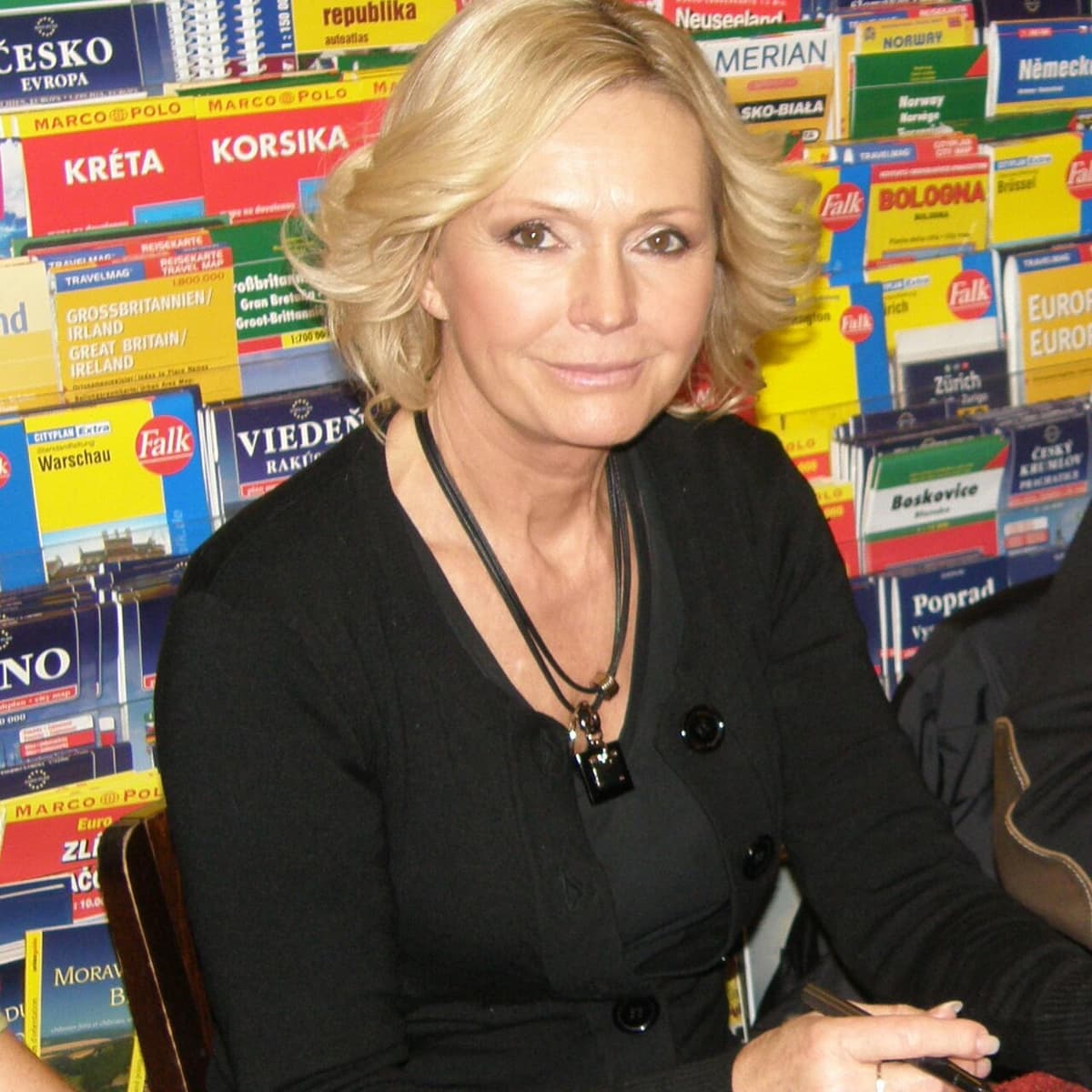
Shares orchestral arrangement, studio polished, hi fi (production style); traditional pop, disco (subgenres)

Shares traditional pop, art pop, synth-pop (subgenres); studio polished, maximalist, orchestral arrangement (production style)
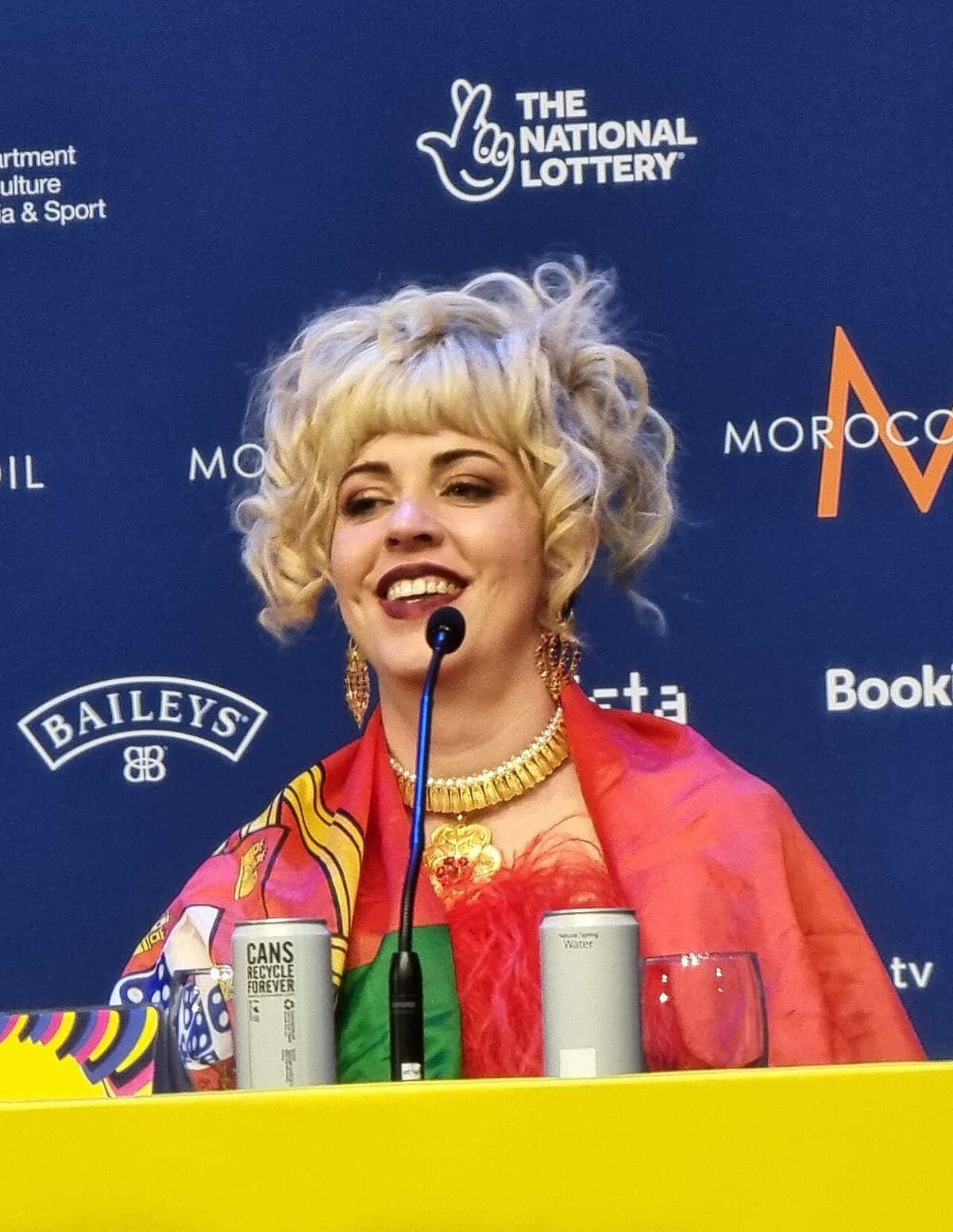
Shares studio polished, maximalist, analog warmth (production style); confident, empowering, nostalgic (moods)
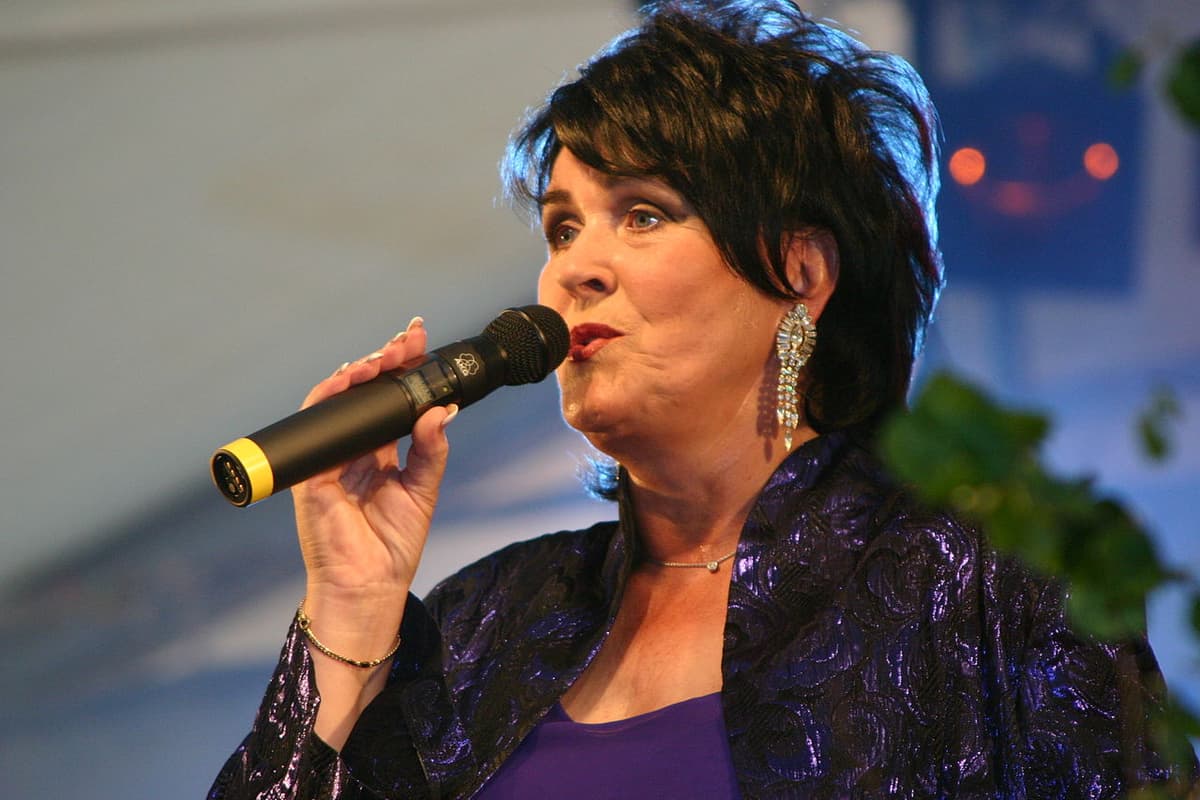
Shares traditional pop, disco (subgenres); studio polished, orchestral arrangement, analog warmth (production style)
Shares traditional pop, disco, art pop (subgenres); studio polished, orchestral arrangement, maximalist (production style)
Shares orchestral arrangement, analog warmth, studio polished (production style); urban night, rooftop (atmosphere)
Shares orchestral arrangement, analog warmth, studio polished (production style); traditional pop, disco (subgenres)
Shares studio polished, analog warmth, orchestral arrangement (production style); belting, alto, crooning (vocal style)
Cassette uses generative AI to enrich its catalog. How we use AI →