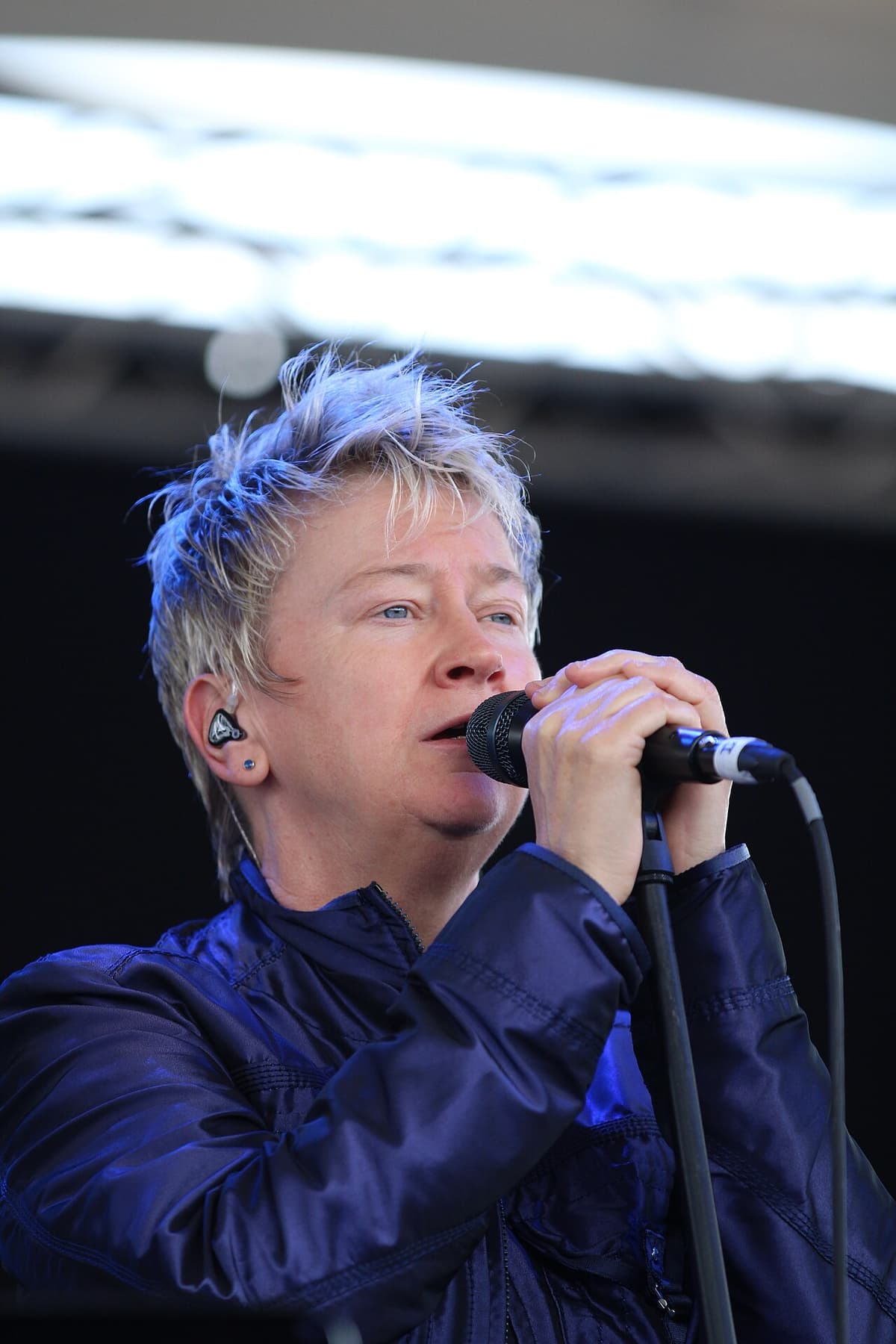
Anne Clark
Stark spoken-word poetry set against cold, rhythmic synthesizers. A haunting, intellectual take on 80s electronic music for late-night city walks and deep reflection.
Stark spoken-word poetry set against cold, rhythmic synthesizers. A haunting, intellectual take on 80s electronic music for late-night city walks and deep reflection.
Anne Clark occupies a singular space where the literary world of spoken-word poetry collides with the icy precision of European electronic music. Her sound is defined by a stark, almost clinical contrast: the warmth of human observation delivered in a cool, detached British accent, layered over relentless analog sequencers and minimalist drum machines. It feels like a transmission from a lonely urban apartment, capturing the friction between individual emotion and the mechanical pace of modern life.
What makes her truly distinctive is the lack of traditional singing. While her contemporaries in the New Wave scene were chasing pop hooks, Clark leaned into the power of the cadence, using the rhythm of her speech to drive the music forward. The result is a hypnotic, sometimes claustrophobic experience that prioritizes intellectual weight and atmospheric tension over easy melody. It is music that demands you listen to the words as much as the beat.
Start with her 1983 album 'Changing Places'. It contains her most iconic work, including 'Our Darkness' and 'Sleeper in Metropolis', which perfectly illustrate her ability to turn existential dread into a danceable, synth-driven anthem. It is the definitive entry point for anyone looking to understand the bridge between post-punk poetry and early electronic dance music.
Anne Charlotte Clark (born 14 May 1960) is an English poet, singer and songwriter. Her first album, The Sitting Room, was released in 1982, and she has released over a dozen albums since then. Her poetry work with experimental musicians occupies a region bounded roughly by electronic, dance (techno applies on occasion) and possibly avant-garde genres, with varying hard as well as romantic and orchestral styles. Clark is mainly a spoken word artist. Many of her lyrics deal critically with the imperfections of humanity, everyday life, and politics. Especially in her early works she created a gloomy, melancholy atmosphere bordering on weltschmerz. She has been considered one of the pioneers in the spoken-word music genre, as well as being acclaimed for her synth-pop and new wave music, especially across Europe.
Shares darkwave, synth-pop, minimal techno (subgenres); minimalist, analog warmth, drum machine (production style)
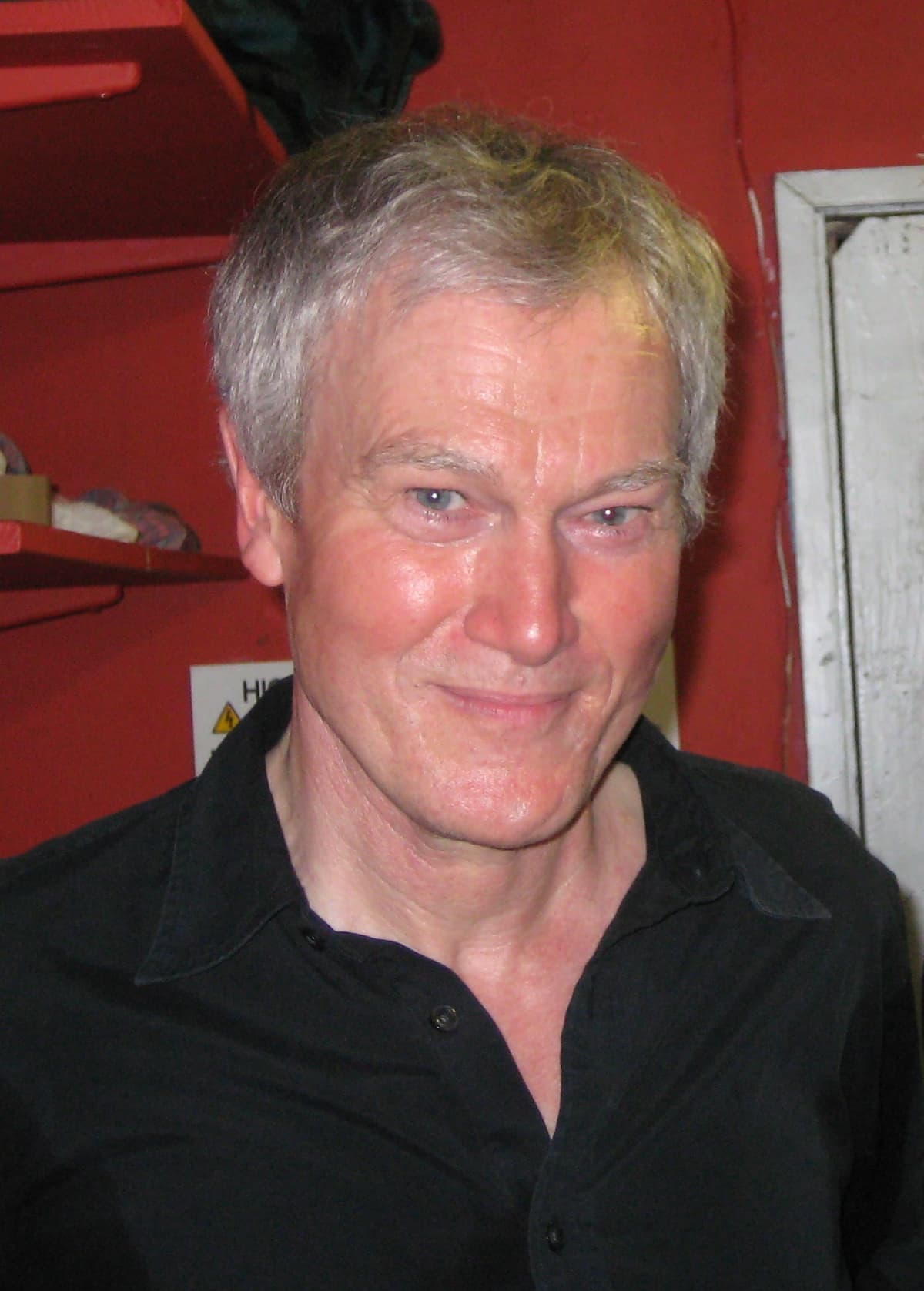
Shares synth-pop, new wave, art pop (subgenres); minimalist, analog warmth, drum machine (production style)
Shares darkwave, synth-pop, new wave (subgenres); minimalist, analog warmth, drum machine (production style)
Shares synth-pop, darkwave, new wave (subgenres); minimalist, analog warmth, drum machine (production style)
Shares darkwave, new wave, synth-pop (subgenres); minimalist, analog warmth, drum machine (production style)
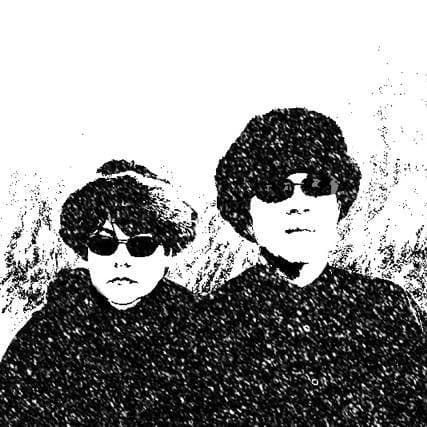
Shares synth-pop, new wave, minimal techno (subgenres); minimalist, analog warmth, drum machine (production style)
Shares minimalist, analog warmth, drum machine (production style); darkwave, synth-pop (subgenres)
Shares synth-pop, darkwave, new wave (subgenres); minimalist, analog warmth, drum machine (production style)
Shares synth-pop, new wave, minimal techno (subgenres); minimalist, analog warmth, drum machine (production style)
Shares synth-pop, darkwave, new wave (subgenres); minimalist, analog warmth, drum machine (production style)
Shares darkwave, new wave, tense, synth-pop (signature)
Shares darkwave, minimal techno, new wave, tense (signature)
Cassette uses generative AI to enrich its catalog. How we use AI →


