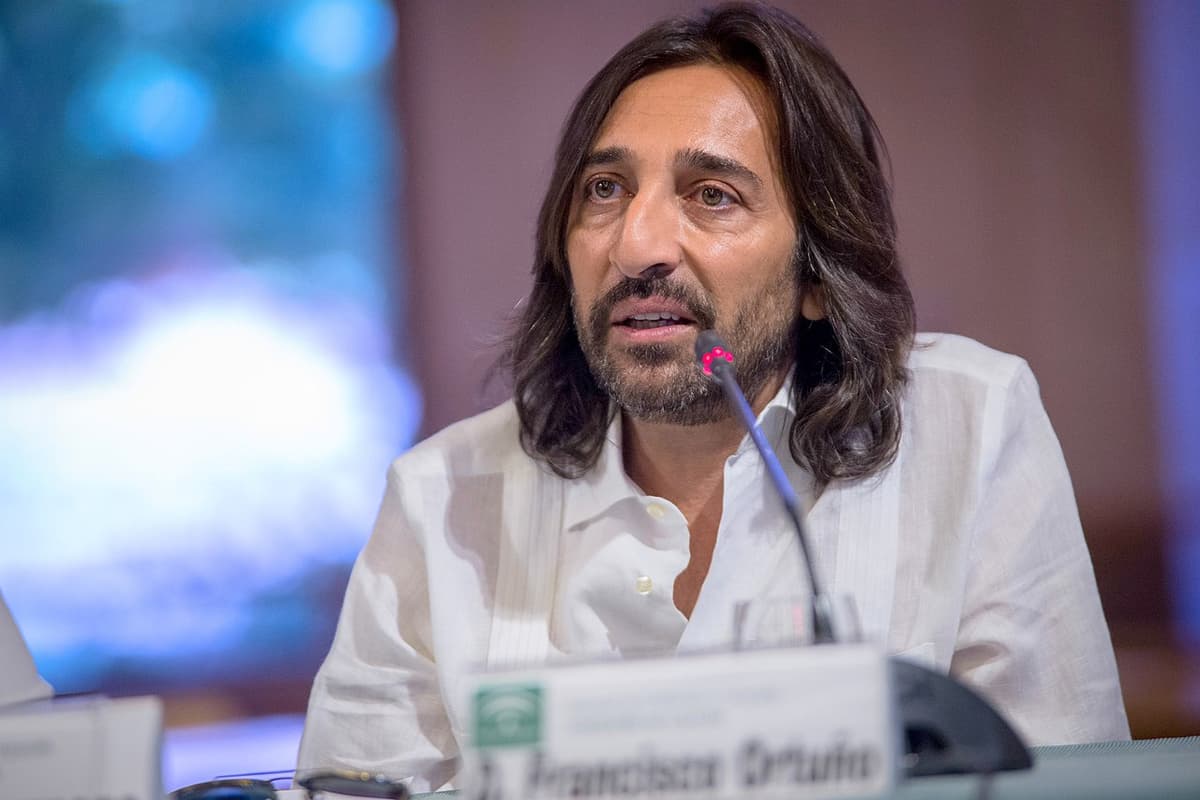
Antonio Carmona
Sun-drenched Spanish pop with deep flamenco roots. Raspy, soulful vocals meet intricate percussion and warm acoustic guitars for a sophisticated, breezy energy.
Sun-drenched Spanish pop with deep flamenco roots. Raspy, soulful vocals meet intricate percussion and warm acoustic guitars for a sophisticated, breezy energy.
Antonio Carmona creates music that feels like a warm Mediterranean breeze. It is fundamentally rooted in the gitano tradition of flamenco, yet it breathes with the openness of modern pop and global soul. His voice carries a signature grit, a weathered rasp that conveys deep emotion even when the arrangements are light and rhythmic. The sound is defined by the interplay between virtuosic nylon-string guitar work and the earthy, grounding thud of the cajon.
What sets Carmona apart is his rhythmic mastery. As a world-class percussionist, he embeds a sophisticated pulse into every track that goes beyond simple pop beats. He uses syncopation and handclaps to create a sense of movement that is both elegant and infectious. His solo work often incorporates elements of bossa nova, R&B, and Caribbean textures, making his brand of 'Nuevo Flamenco' feel truly international and accessible without losing its cultural soul.
Listeners should start with his debut solo album, Vengo Venenoso. It perfectly captures the transition from his legendary work with Ketama into a more personal, polished sound. It is an ideal entry point for anyone who loves the passion of Spanish music but wants a production style that feels contemporary and expansive.
Antonio Carmona Amaya (born 21 May 1965) is a Spanish gitano singer of flamenco. He also has French nationality. From the early 1980s, he was a member of the Spanish flamenco-fusion group Ketama, which he joined after main vocalist Ray Heredia left. The band also included José Soto, also known as "Sorderita". Ketama in its latest set-up included Antonio Carmona as main vocalist along with his brother, Juan José Carmona Amaya, known as "El Camborio", and his cousin, José Miguel Carmona Niño, known as "Josemi". After the break-up of the band in 2004, Carmona started his solo career and released a series of solo albums, including his debut Vengo Venenoso in 2006 on Universal Records. He also collaborated with La Mala Rodríguez, Juanes and Alejandro Sanz. This was followed by the album De Noche in 2011, which included the single "El Camino De Los Sueños" featuring Nelly Furtado and collaborations with Spanish singer Concha Buika. He appeared in 1988 in Berlín Blues, directed by Ricardo Franco. He had a lead role with Portuguese actress Maria de Medeiros in the 1997 film Go for Gold!, directed by Lucien Segura. In 2000, he appeared in a role in the film Gitano starring Joaquín Cortés, Pilar Bardem and Laetitia Casta. In 1996, he wrote the song "¡Ay, qué deseo!, which represented Spain in the Eurovision Song Contest 1996. The song was interpreted by Antonio Carbonell during the contest. In 2017, he appeared in a collaboration with Alejandro Sanz that included also the Spanish singers Pablo Alborán, David Bisbal and Manuel Carrasco with additional participation of Jesse & Joy, Juanes, Pablo López, Malú, Vanesa Martín, India Martínez, Antonio Orozco, Niña Pastori, Laura Pausini, Abel Pintos, Rozalen, Shakira, Tommy Torresin in the song "Y, ¿Si Fuera Ella?". The song topped the Spanish Singles Chart at number one.
Cassette uses generative AI to enrich its catalog. How we use AI →


