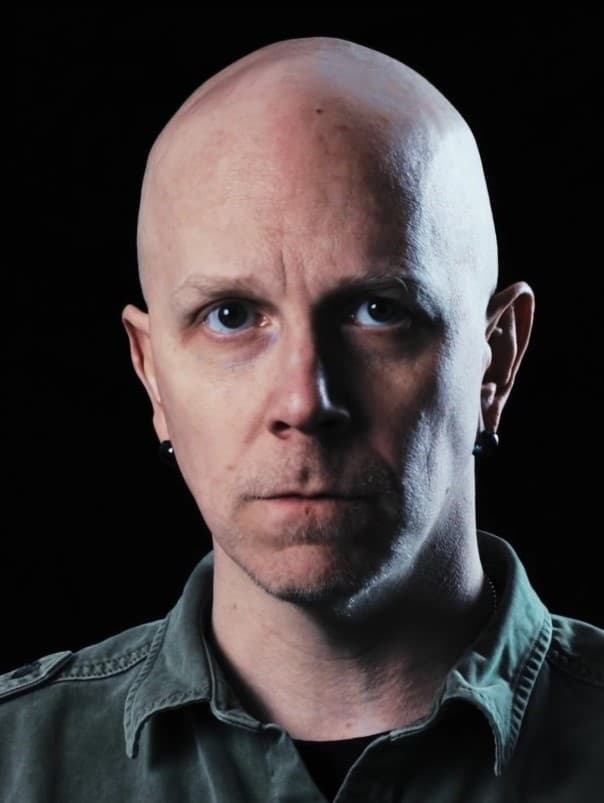
Apulanta
Gritty Finnish alternative rock that pairs raw punk energy with massive, chart-topping pop hooks. High-octane anthems for the restless and the nostalgic.
Gritty Finnish alternative rock that pairs raw punk energy with massive, chart-topping pop hooks. High-octane anthems for the restless and the nostalgic.
Apulanta is one of Finland's most enduring and commercially successful rock exports, originating from Heinola in 1991. Initially a teenage hardcore punk outfit, the band evolved through the mid-90s into an alternative rock powerhouse.
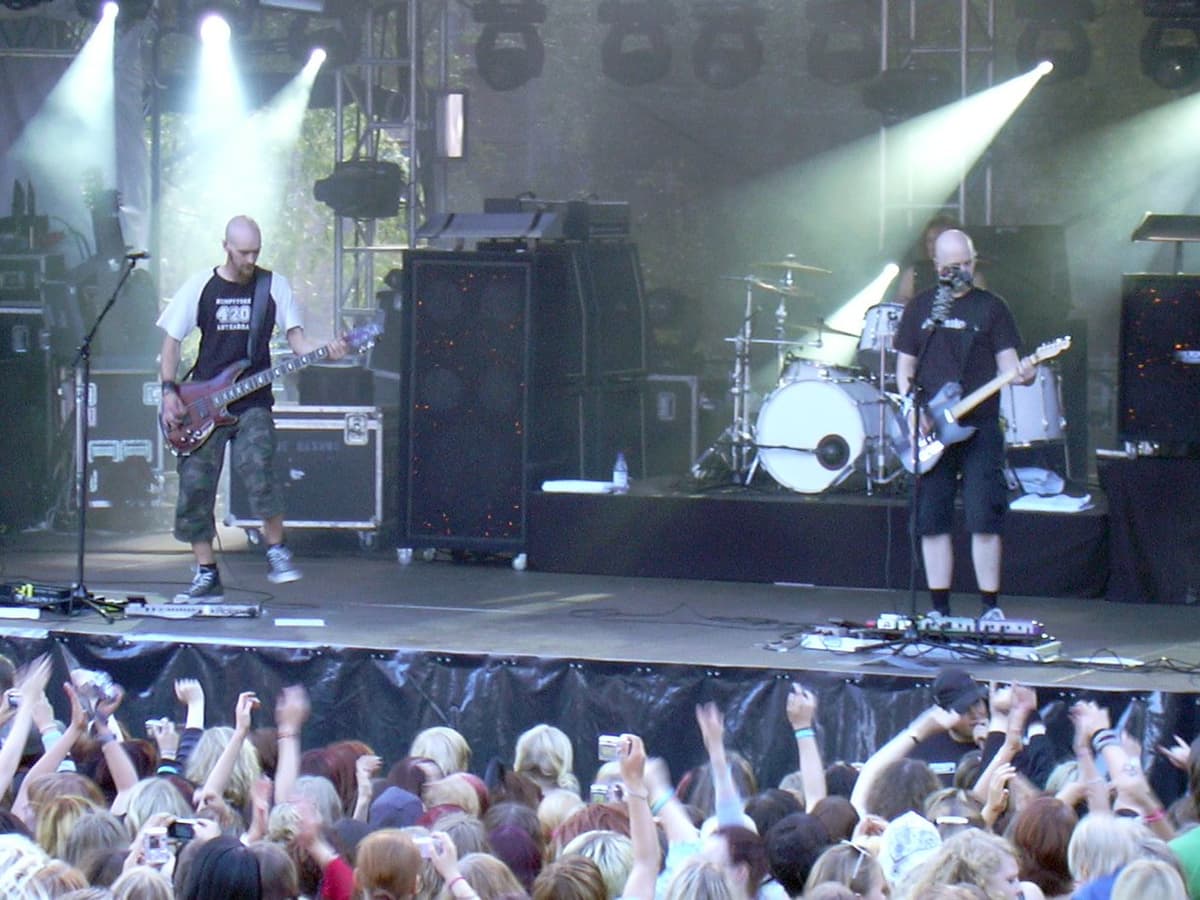
Their sound identity is defined by the 'Apulanta formula': combining aggressive, metal-adjacent guitar riffs with infectious, radio-friendly choruses. This duality allowed them to maintain credibility in the punk scene while dominating the mainstream charts. Throughout the 2000s, they refined their production, moving toward a 'wall of sound' aesthetic that emphasized the power trio's tightness. Culturally, they represent the voice of a generation of Finnish youth, bridging the gap between underground rebellion and national pop stardom. Critical consensus highlights their remarkable longevity and the songwriting prowess of frontman Toni Wirtanen. They are often cited as the primary influence for the wave of Finnish-language rock bands that followed in the early 21st century, maintaining a fiercely independent streak through their own record label ventures.

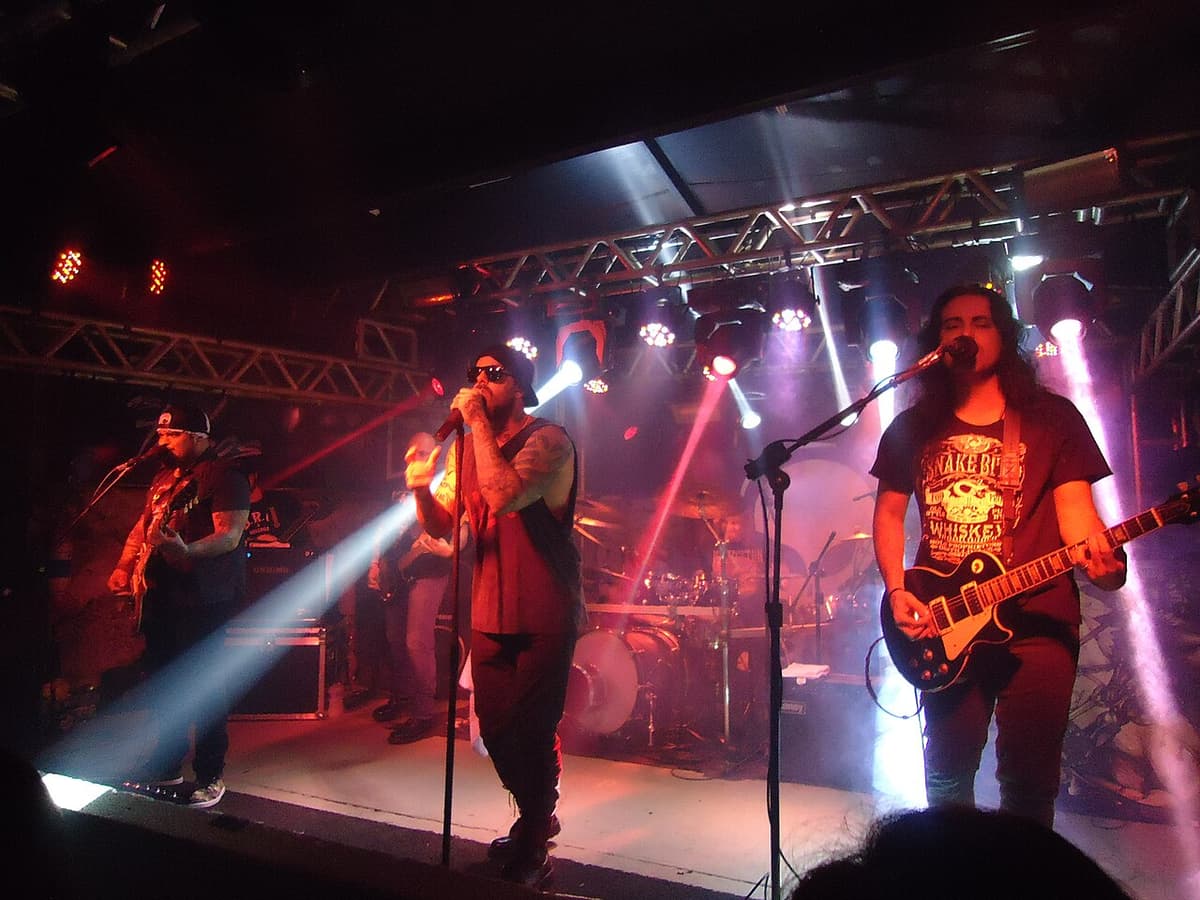
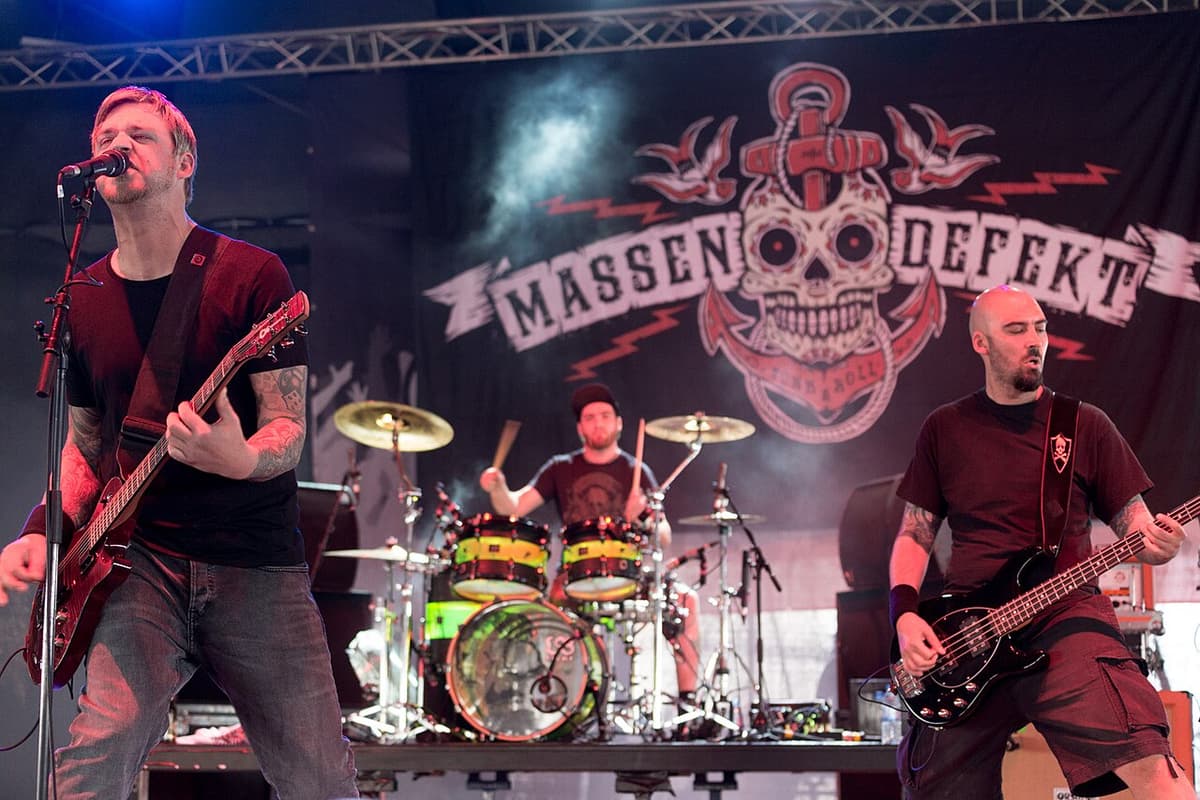
Shares alternative rock, punk rock, pop rock (subgenres); basement_show, festival, urban_night (atmosphere)
Shares alternative rock, pop rock, punk rock (subgenres); studio_polished, analog_warmth, compressed_loud (production style)
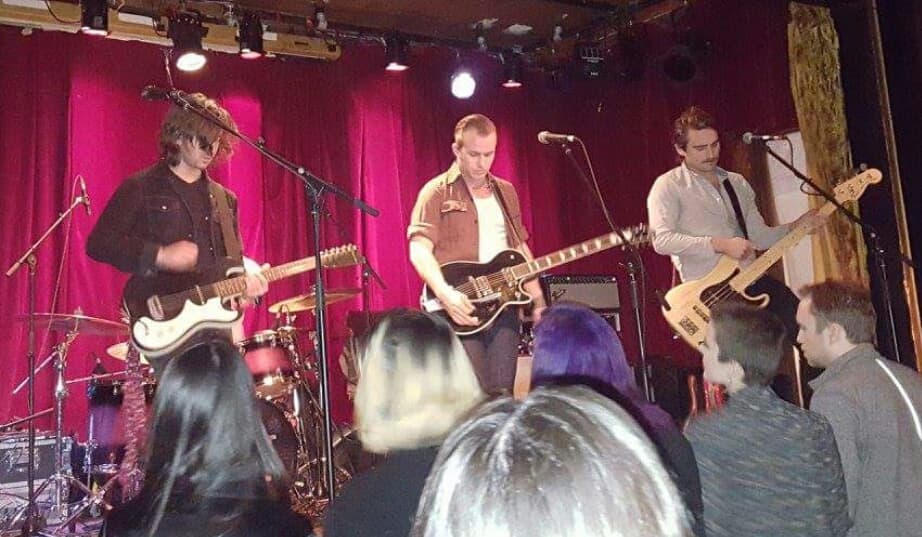
Shares defiant, energetic, bittersweet (moods); studio_polished, compressed_loud, wall_of_sound (production style)
Shares studio_polished, wall_of_sound, compressed_loud (production style); raspy, intense, belting (vocal style)
Shares rebellious, energetic, defiant (moods); grunge, alternative rock, punk rock (subgenres)
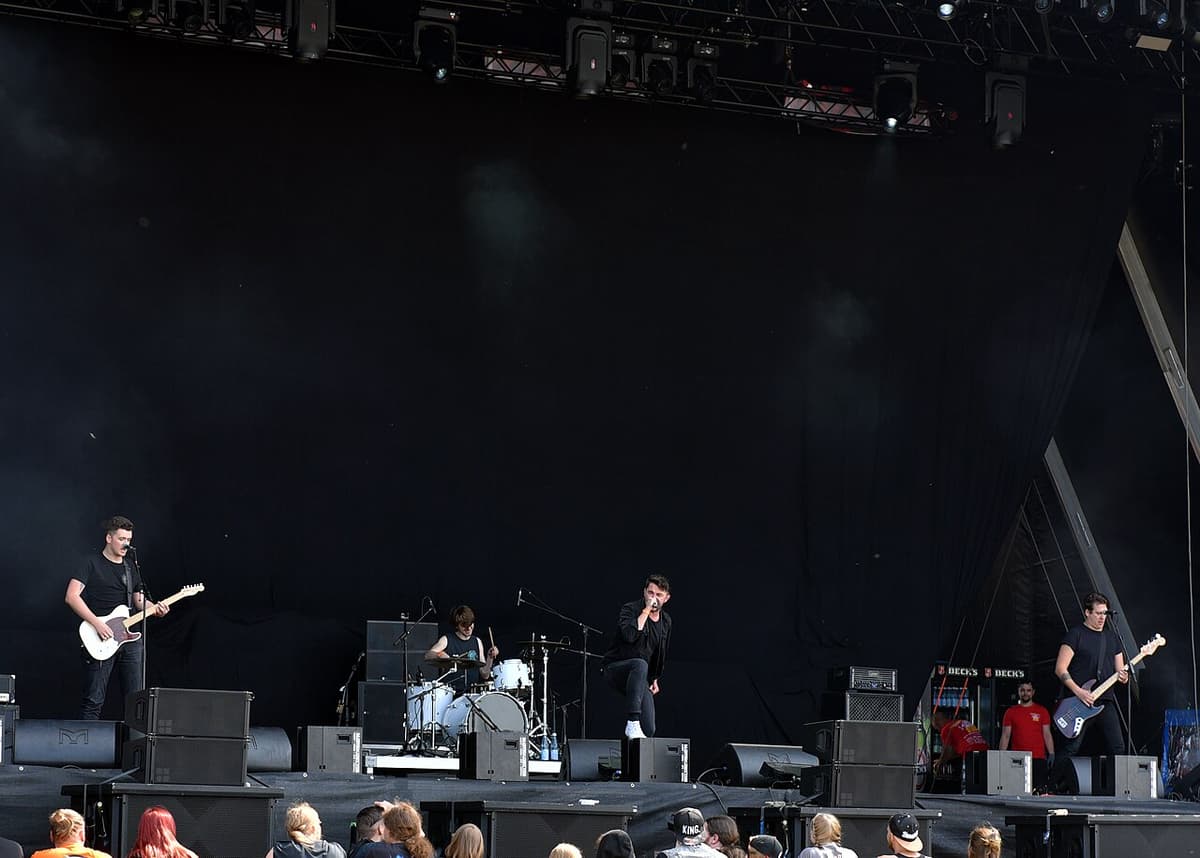
Shares punk rock, alternative rock, hardcore punk (subgenres); raspy, intense, belting (vocal style)
Shares punk rock, intense, wall_of_sound, hardcore punk (signature)
Cassette uses generative AI to enrich its catalog. How we use AI →