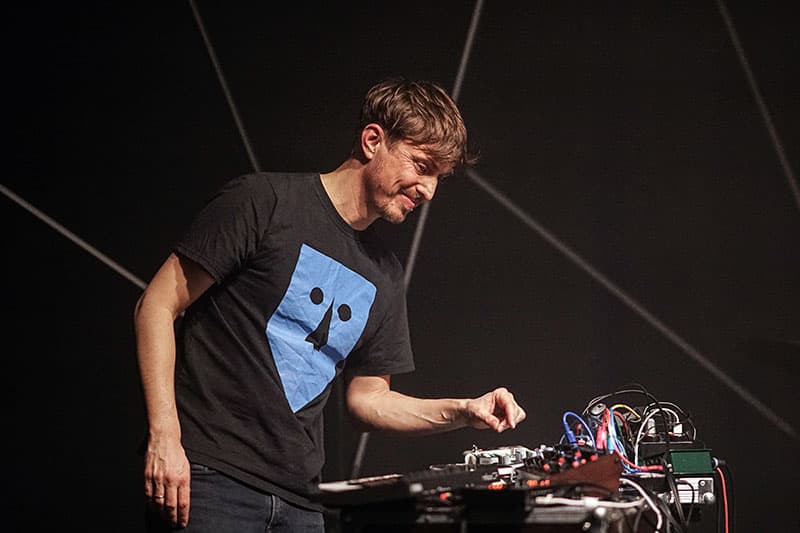
Yasuhiko Fukuzono, performing as aus, is a pivotal figure in the Japanese electronica and 'post-shibuya-kei' experimental scene. Emerging in the early 2000s, his sound identity is defined by a meticulous blend of educational psychology influences and cinematic sound design.
His work frequently bridges the gap between IDM's rhythmic complexity and the emotional immediacy of modern classical music. Fukuzono's career is marked by a long-standing collaboration with visual artist Takafumi Tsuchiya, which has cemented his reputation as a composer capable of translating visual narratives into sonic textures. Critically, he is lauded for his 'memory-centric' approach, using field recordings not as gimmicks but as emotional anchors. His influence extends through his label, FLAU, which has become a hub for similar-minded artists who prioritize delicate, organic-electronic hybrids. His work sits at the intersection of the glitch-pop movement and the more contemplative ambient-folk revival of the late 2000s.


Shares downtempo, idm, ambient techno (subgenres); nostalgic, wistful, contemplative (moods)
Shares downtempo, idm, ambient techno (subgenres); breathy, ethereal, processed (vocal style)
Shares downtempo, ambient techno, glitch (subgenres); rainy_day, solitude, early_morning (atmosphere)
Shares idm, glitch, downtempo (subgenres); nostalgic, wistful, contemplative (moods)


Shares downtempo, idm, ambient techno (subgenres); wistful, contemplative, serene (moods)
Shares downtempo, idm, ambient techno (subgenres); rainy_day, solitude, library (atmosphere)
Shares downtempo, ambient techno, modern classical (subgenres); wistful, contemplative, serene (moods)
Shares modern classical, idm, field_recordings, glitch (subgenre)
Shares melancholic piano fragments, found sound percussion loops, modern classical, idm (detail)
Cassette uses generative AI to enrich its catalog. How we use AI →