B77 is a Swiss experimental pop duo consisting of Leopold Schwaller and Luca Carbone. Emerging from the Fribourg scene around 2017, they have carved out a niche characterized by 'hazy pop' or 'bedroom psychedelia.'
Their sound identity is built on a foundation of analog warmth, specifically utilizing pitch-warping and tape saturation to create a sense of nostalgic disorientation. While categorized as experimental, their work maintains a strong melodic core influenced by 60s psychedelia and modern chillwave. Critically, they are noted for their 'childish' curiosity, often incorporating toy-like sounds and found-sound percussion that subverts traditional electronic music tropes. Their career arc shows a steady progression from the raw, lo-fi sketches of 'LL8' to the more expansive and conceptually dense 'The Wonderful Labyrinth of The Mind.' They occupy a similar cultural space to artists like Connan Mockasin or King Garbage, where the 'imperfections' of the recording process are elevated to primary aesthetic features. They are a staple of the contemporary Swiss indie-electronic circuit, bridging the gap between avant-garde sound design and accessible art-pop.

Shares dreamy, mysterious, playful (moods); art pop, downtempo, glitch (subgenres)
Shares dreamy, mysterious, playful (moods); art pop, downtempo, glitch (subgenres)
Shares synth-pop, psychedelic rock, downtempo (subgenres); dreamy, mysterious, playful (moods)
Shares dreamy, wistful, contemplative (moods); lo_fi, tape_saturation, bedroom_production (production style)
Shares glitch, art pop, downtempo (subgenres); dreamy, mysterious, wistful (moods)
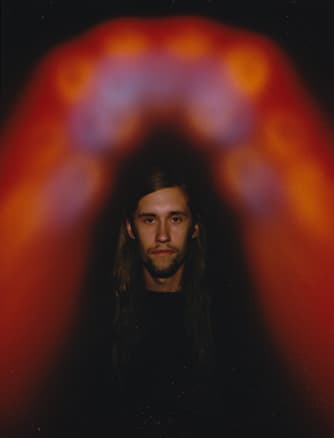

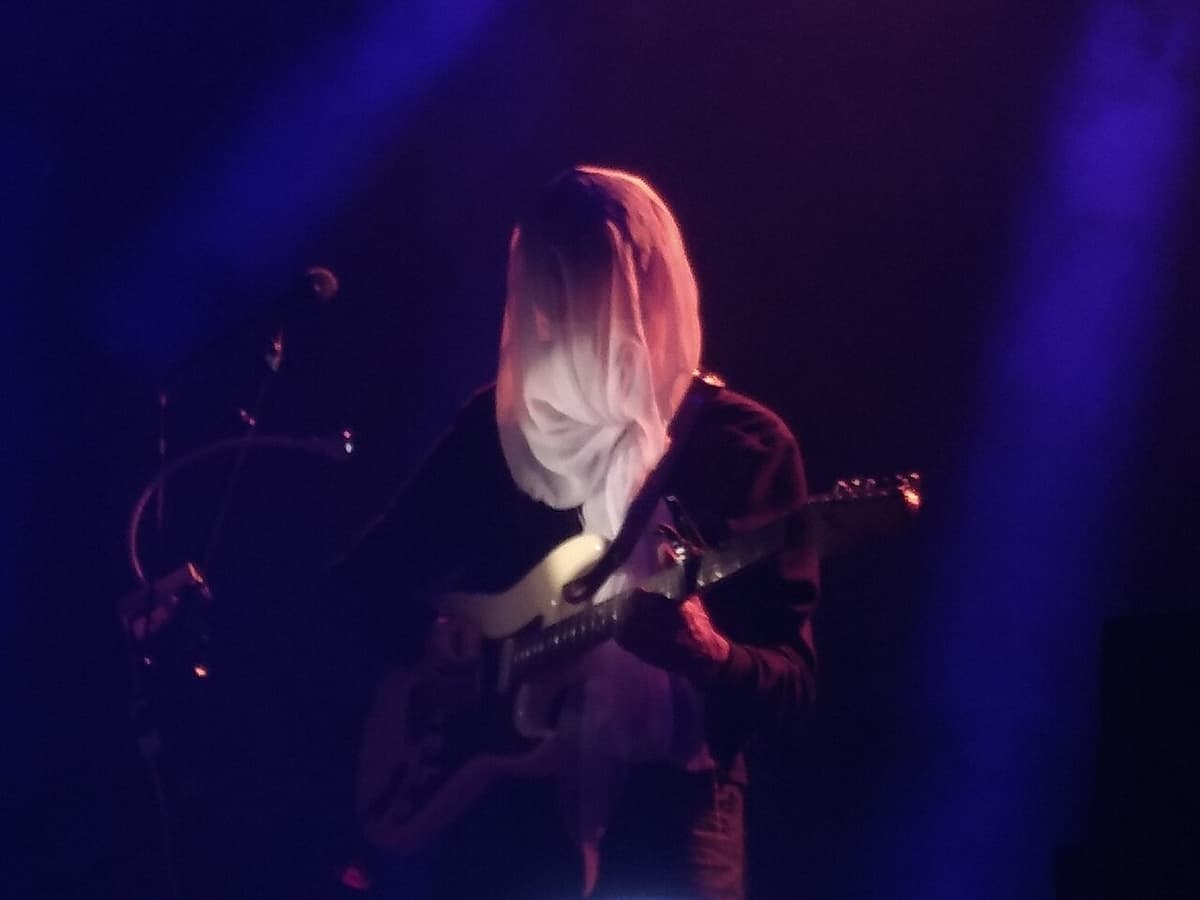
Shares dreamy, mysterious, playful (moods); downtempo, synth-pop (subgenres)
Shares art pop, downtempo, glitch (subgenres); mysterious, dreamy, contemplative (moods)
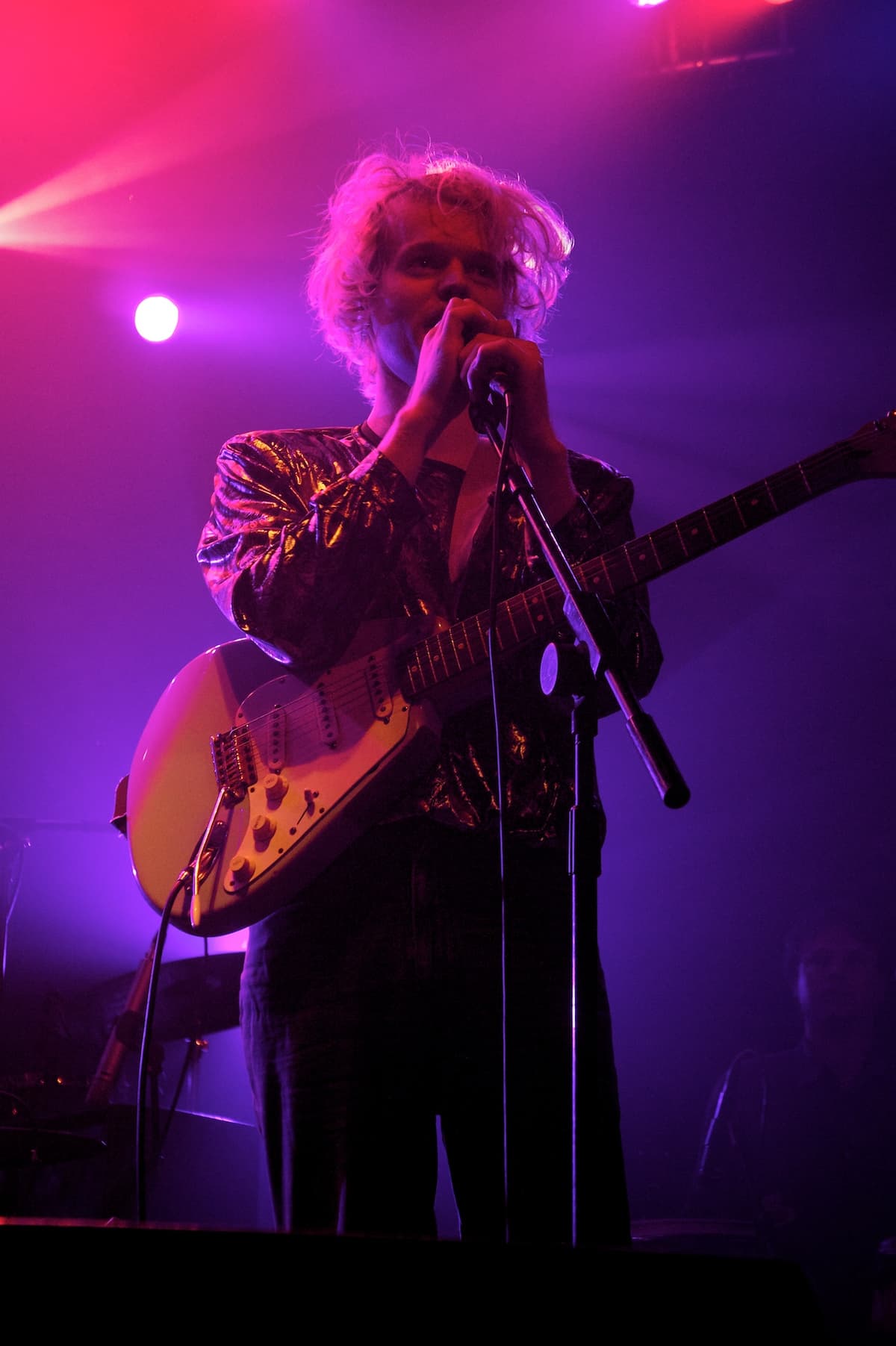
Shares field_recordings, psychedelic rock, tape_saturation, art pop (production)
Cassette uses generative AI to enrich its catalog. How we use AI →