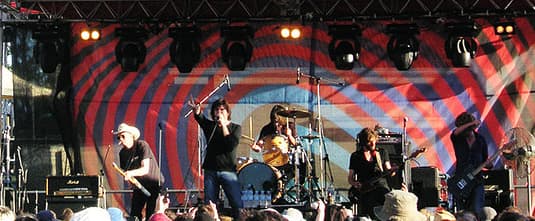
Beasts of Bourbon
Gritty, swamp-soaked rock that feels like a humid night in a crowded dive bar. Gutbucket blues meets punk swagger for those who like their music stained and loud.
Gritty, swamp-soaked rock that feels like a humid night in a crowded dive bar. Gutbucket blues meets punk swagger for those who like their music stained and loud.
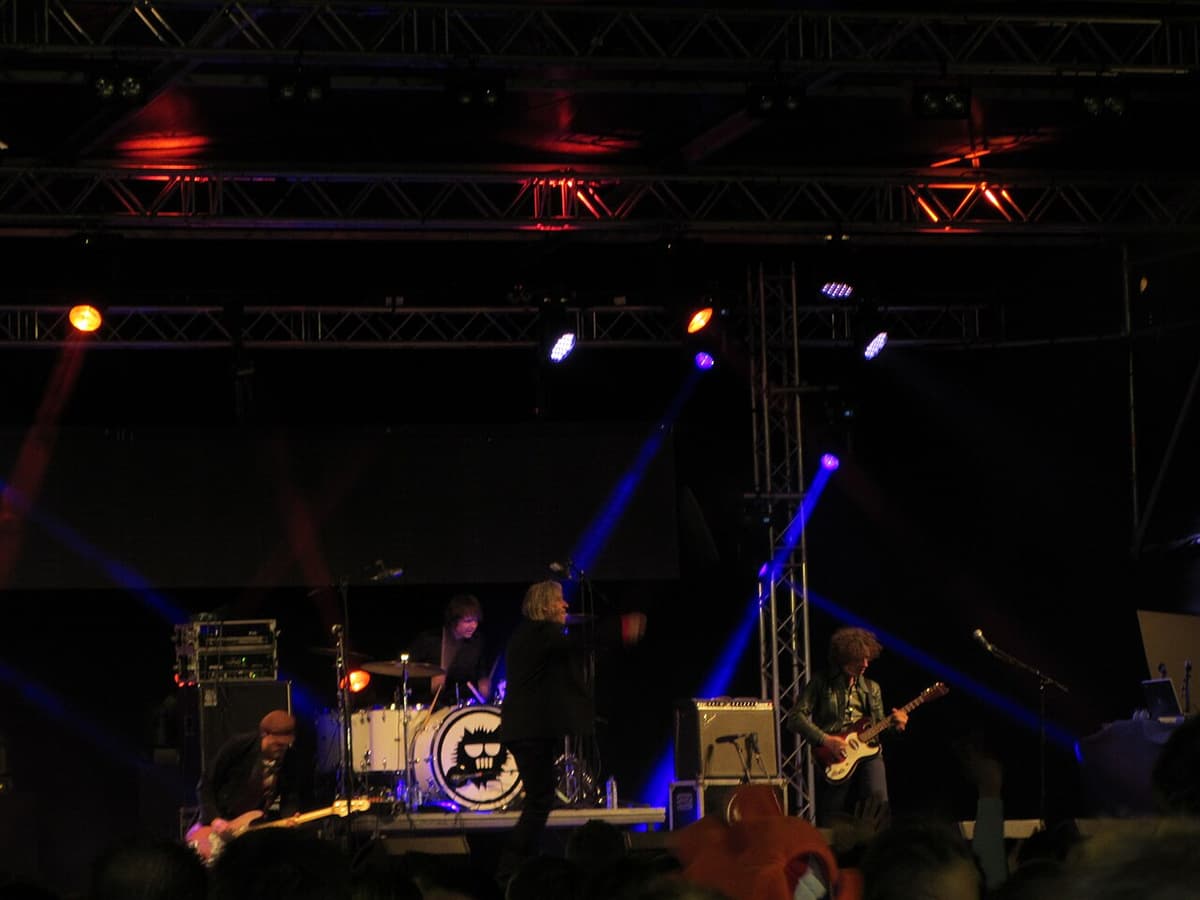
Beasts of Bourbon sound like the aftermath of a long night that hasn't quite ended. It is music built on the bones of the blues but possessed by the restless, jagged spirit of Australian punk. Tex Perkins' vocals anchor the chaos with a baritone that sounds like it was cured in tobacco and cheap bourbon, shifting effortlessly from a menacing whisper to a full-throated howl. The guitars don't just play riffs; they scrape and slide across the rhythm section like a rusted blade.
What makes them truly distinctive is their 'swamp rock' DNA, a specific Australian mutation of garage rock that incorporates gothic country and avant-garde weirdness. There is a sense of dangerous unpredictability in their best work, a feeling that the whole performance might collapse into a brawl or a blues jam at any second. They treat traditional genres with a mix of deep reverence and total irreverence, creating a sound that is both timeless and deeply rooted in the grime of the 1980s Sydney underground.
Start with 'The Axeman's Jazz' to hear their raw, country-inflected beginnings, then move to 'Sour Mash' to experience the moment they redefined Australian guitar rock. If you want the peak of their dark, atmospheric power, 'Black Milk' is the essential document of their heavy, brooding maturity.
Beasts of Bourbon were an Australian blues rock band formed in August 1983, with James Baker on drums (ex-Hoodoo Gurus, The Scientists), Spencer P. Jones on guitar (The Johnnys), Tex Perkins on vocals (Dum Dums), Kim Salmon on guitar and Boris Sujdovic on bass guitar (both ex-The Scientists). Except for mainstays Jones and Perkins, the line-up changed over time as the group splintered and reformed several times. Their debut album, The Axeman's Jazz was released in July 1984. Their debut single, "Psycho", was a cover version of the Leon Payne original. The group disbanded by mid-1985 and each member pursued other musical projects. They reformed in 1987 and issued a second album, Sour Mash, in December 1988 on Red Eye Records. According to rock music historian, Ian McFarlane, it "virtually redefined the parameters of guitar-based rock'n'roll. The Cramps-influenced swamp-rock of old had been discarded for a more adventurous slab of gutbucket blues and avant-garde weirdness. Perkins' voice had matured into an authentic blues growl". Their fifth studio album, Gone (January 1997), reached the Top 50 ARIA Albums Chart. They released their seventh and final studio album, Little Animals (21 April 2007) on Albert Productions, which also peaked in the Top 50.
Shares blues rock, garage rock, alternative rock (subgenres); dive bar, basement show, urban night (atmosphere)
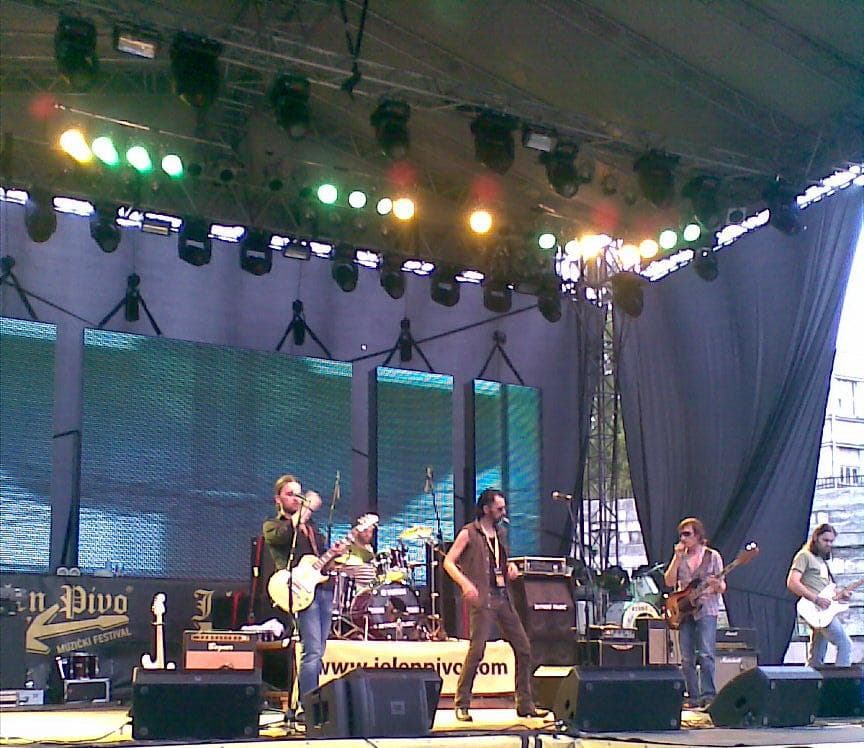
Shares lo fi, analog warmth, live recording (production style); blues rock, garage rock, punk rock (subgenres)
Shares lo fi, noise textured, analog warmth (production style); garage rock, alternative rock, punk rock (subgenres)
Shares lo fi, noise textured, analog warmth (production style); blues rock, punk rock, alternative rock (subgenres)
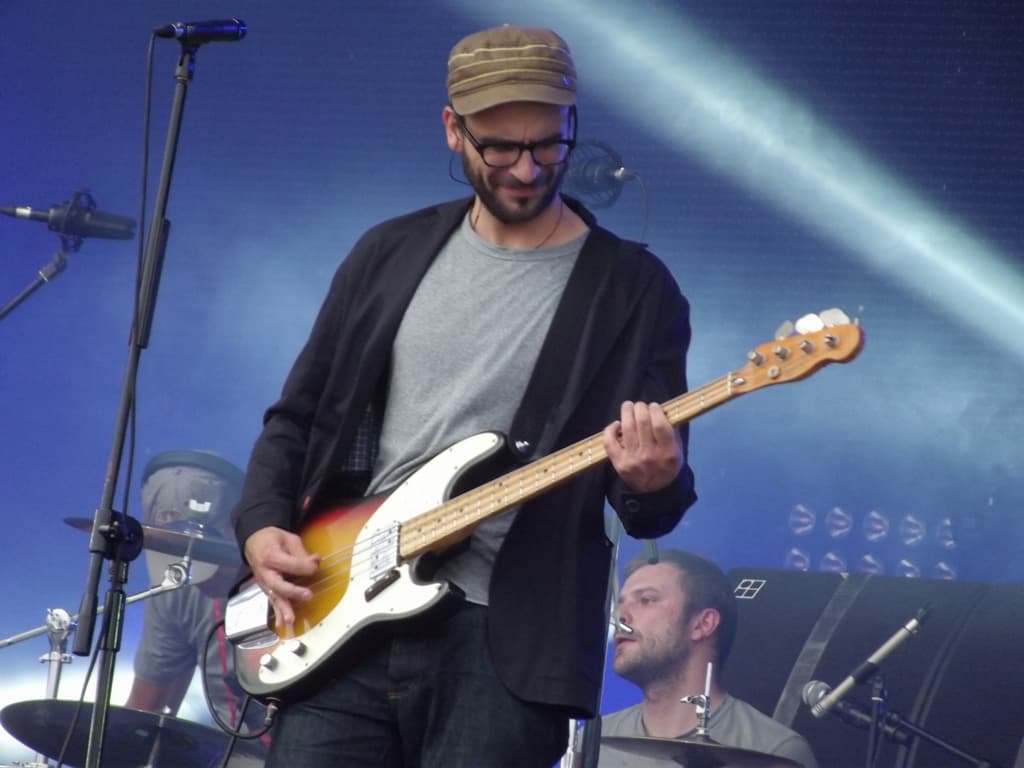
Shares blues rock, garage rock, alternative rock (subgenres); lo fi, live recording, noise textured (production style)
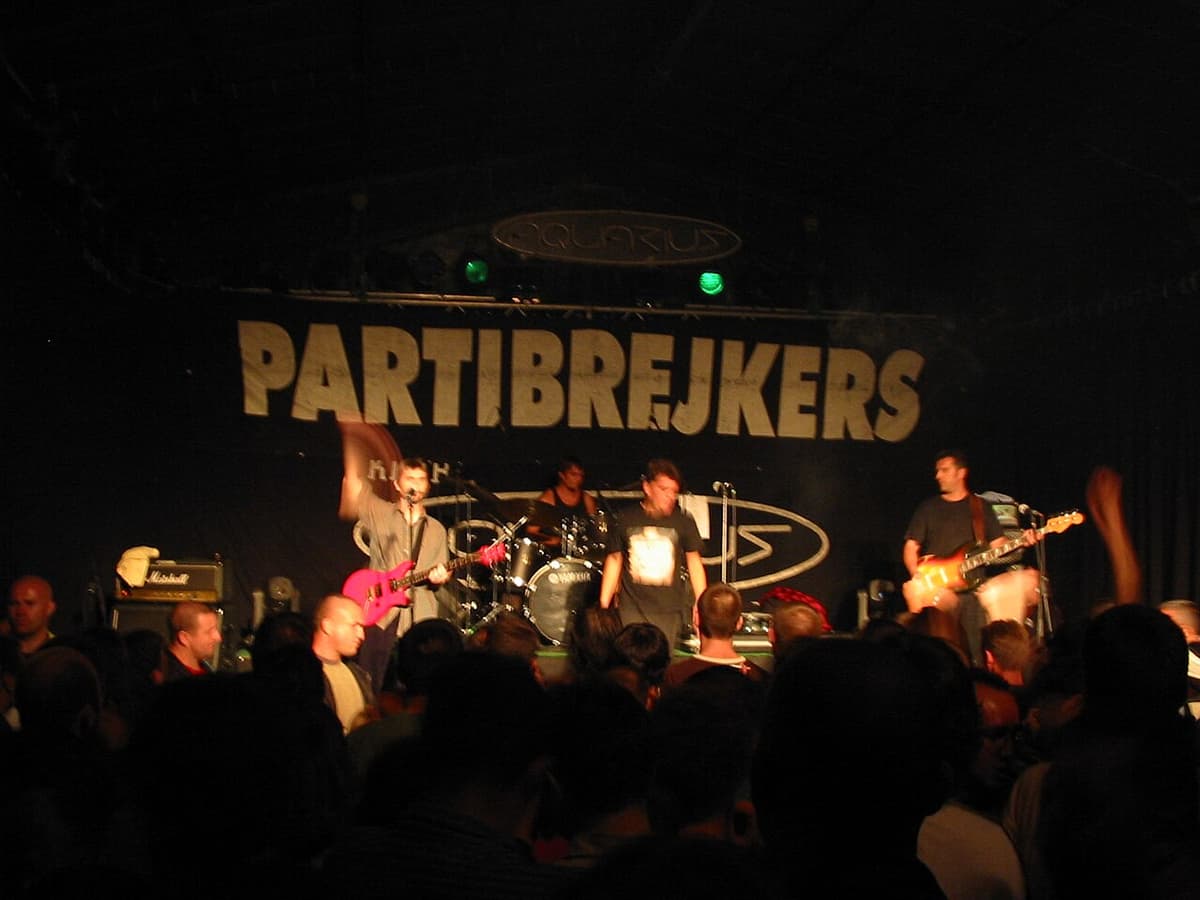
Shares blues rock, garage rock, alternative rock (subgenres); lo fi, stripped back, live recording (production style)
Shares lo fi, analog warmth, live recording (production style); gravelly, intense, baritone (vocal style)
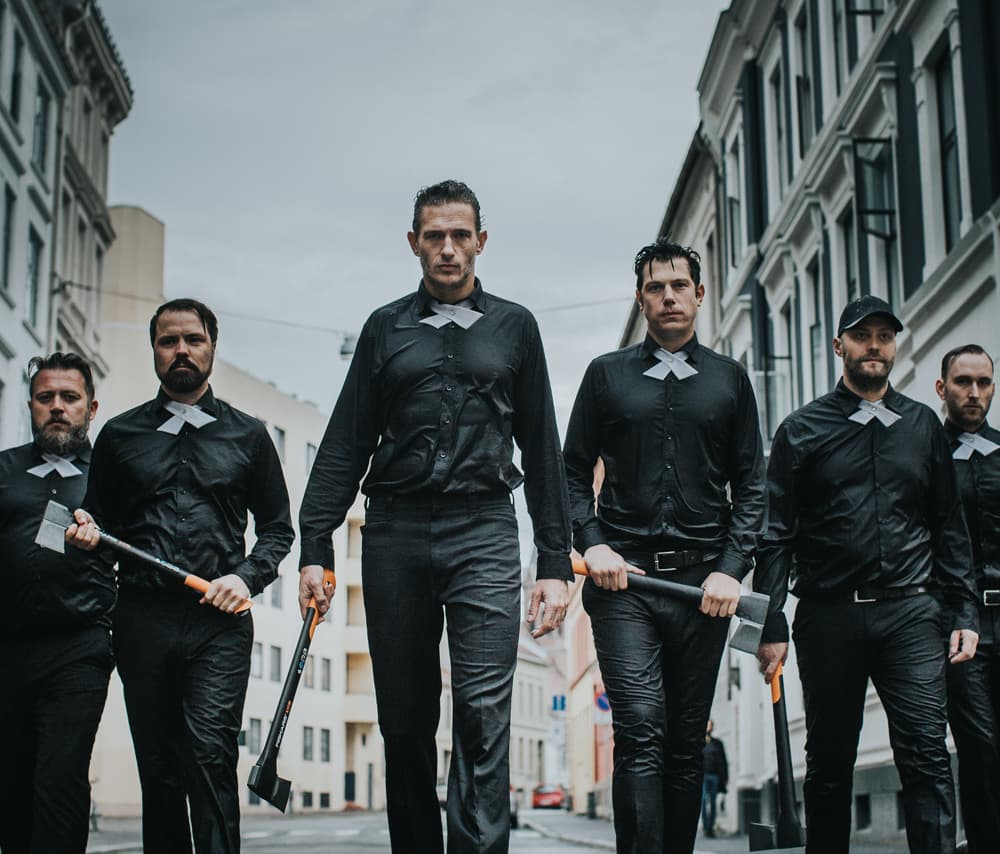
Shares garage rock, punk rock, blues rock (subgenres); dive bar, urban night, basement show (atmosphere)
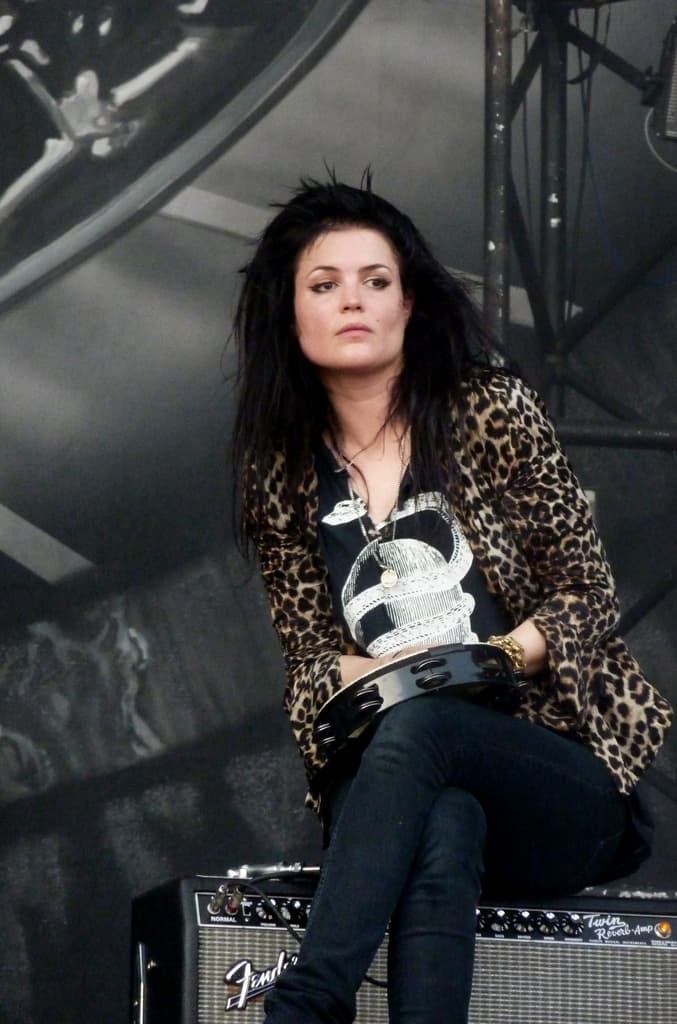
Shares blues rock, garage rock, alternative rock (subgenres); lo fi, analog warmth, noise textured (production style)
Shares lo fi, live recording, noise textured (production style); garage rock, blues rock (subgenres)
Shares brooding, blues rock, garage rock, thunderstorm (signature)
Shares dive bar, garage rock, country rock, punk rock (signature)
Cassette uses generative AI to enrich its catalog. How we use AI →


