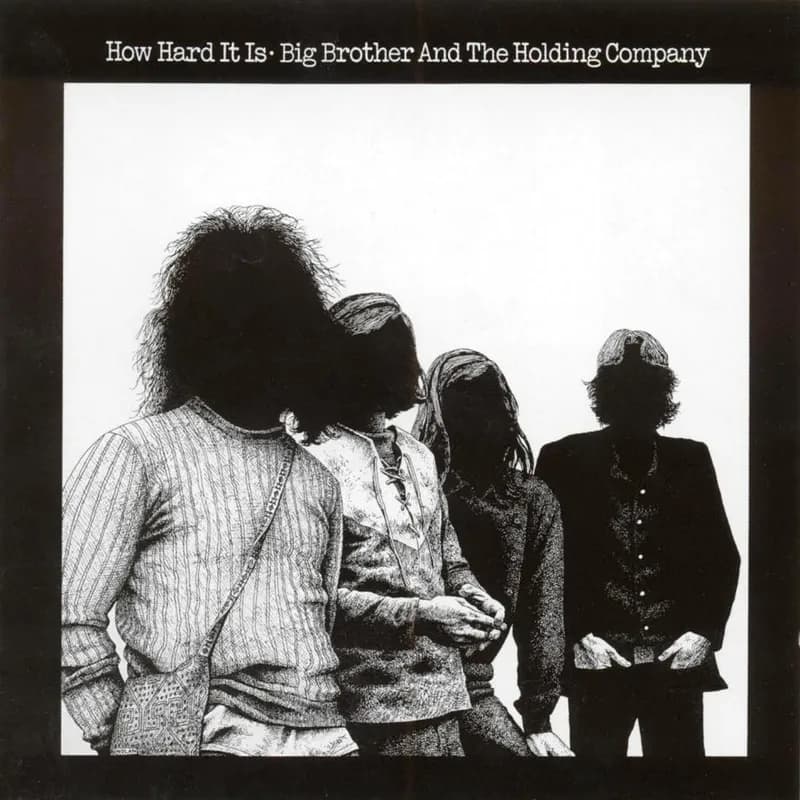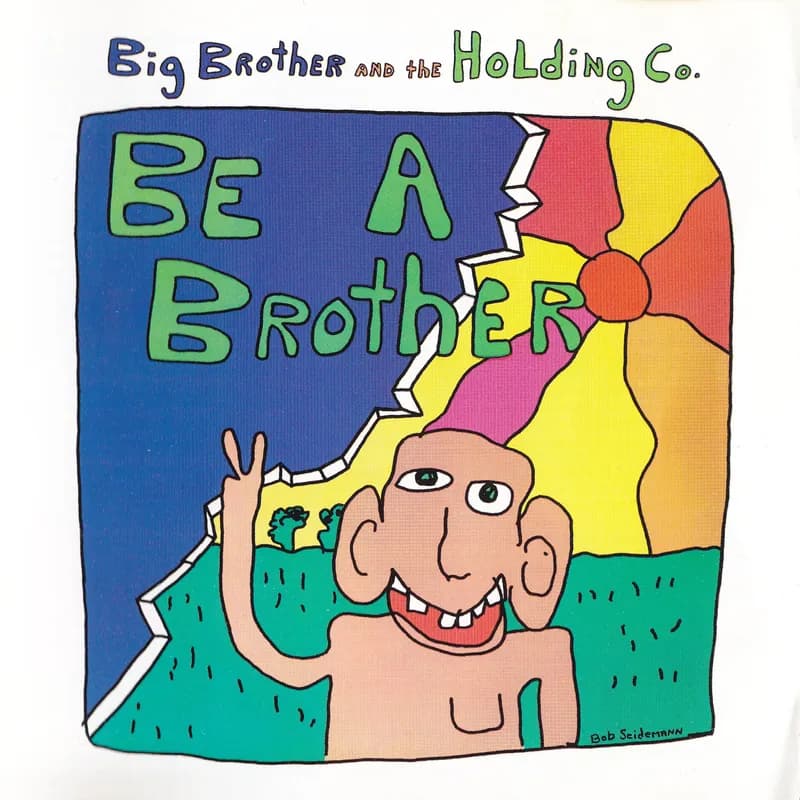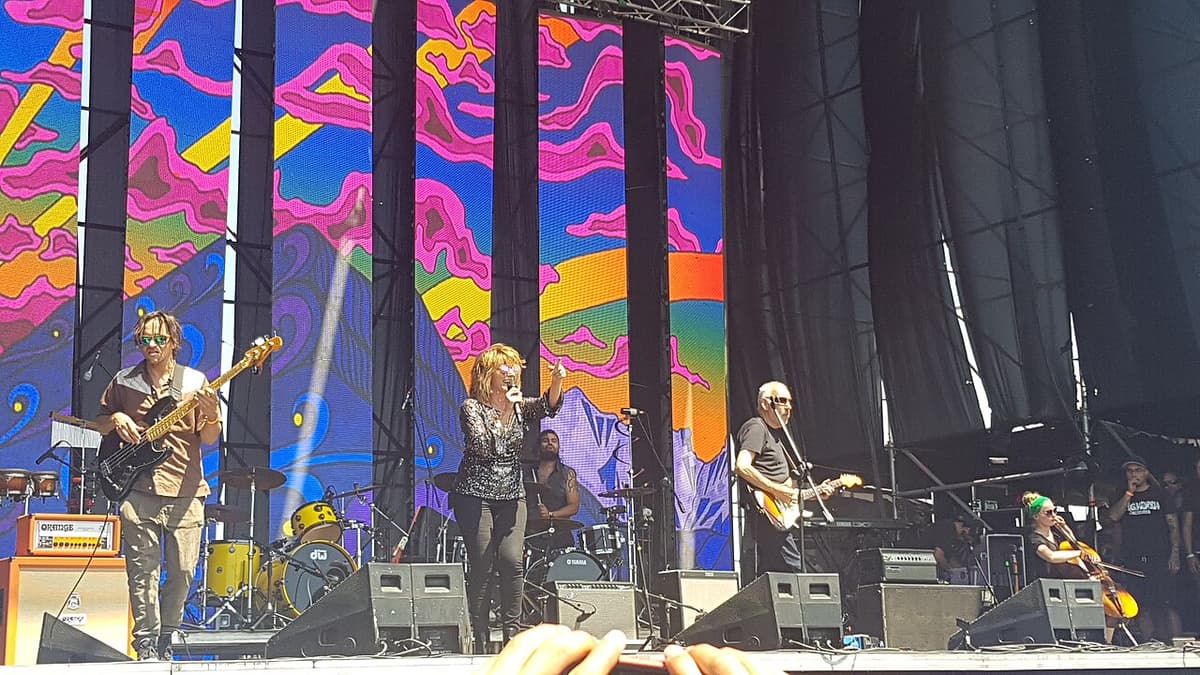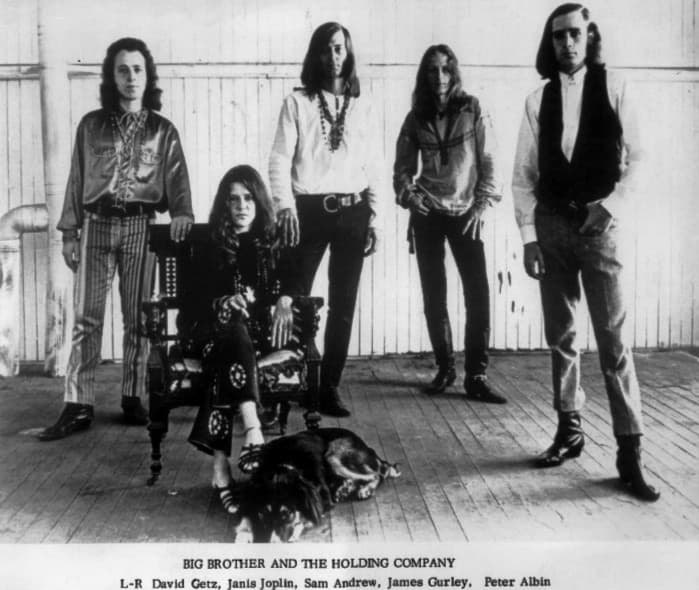
Big Brother & the Holding Company
High-voltage psychedelic blues defined by raw, uninhibited vocals and jagged fuzz guitar. The chaotic, soulful heart of the 1960s San Francisco sound.
High-voltage psychedelic blues defined by raw, uninhibited vocals and jagged fuzz guitar. The chaotic, soulful heart of the 1960s San Francisco sound.
Big Brother & the Holding Company were the primary architects of the 'heavy' side of the San Francisco psychedelic scene. Formed in 1965, they were the house band at the Avalon Ballroom, distinguished by James Gurley's pioneering, non-linear guitar style which favored feedback and distortion over traditional blues scales.
The addition of Janis Joplin in 1966 transformed them from an experimental rock outfit into a global phenomenon, bridging the gap between psychedelic rock and deep soul. Their 1968 masterpiece 'Cheap Thrills' remains a touchstone of the era, notable for its 'live' feel and R. Crumb cover art. Historically, they represent the moment rock music embraced raw emotional vulnerability and sonic aggression simultaneously. While often viewed as Joplin's backing band, their influence on hard rock and the development of the 'jam band' aesthetic is significant, particularly in their use of dual-guitar interplay and improvisational structures that pushed the boundaries of 1960s pop music.
Shares psychedelic rock, blues rock, hard rock (subgenres); analog_warmth, live_recording (production style)
Shares psychedelic rock, blues rock, hard rock (subgenres); raspy, belting, intense (vocal style)
Shares blues rock, psychedelic rock, hard rock (subgenres); analog_warmth, live_recording, noise_textured (production style)
Shares psychedelic rock, blues rock, hard rock (subgenres); electric guitar, drums, bass (instrumentation)
Shares live_recording, analog_warmth, studio_polished (production style); intense, rebellious, soulful (moods)
Shares psychedelic rock, blues rock, hard rock (subgenres); live_recording, analog_warmth, studio_polished (production style)
Shares psychedelic rock, blues rock, hard rock (subgenres); raspy, intense, belting (vocal style)
Shares blues rock, garage rock, raw, psychedelic rock (subgenre)
Cassette uses generative AI to enrich its catalog. How we use AI →