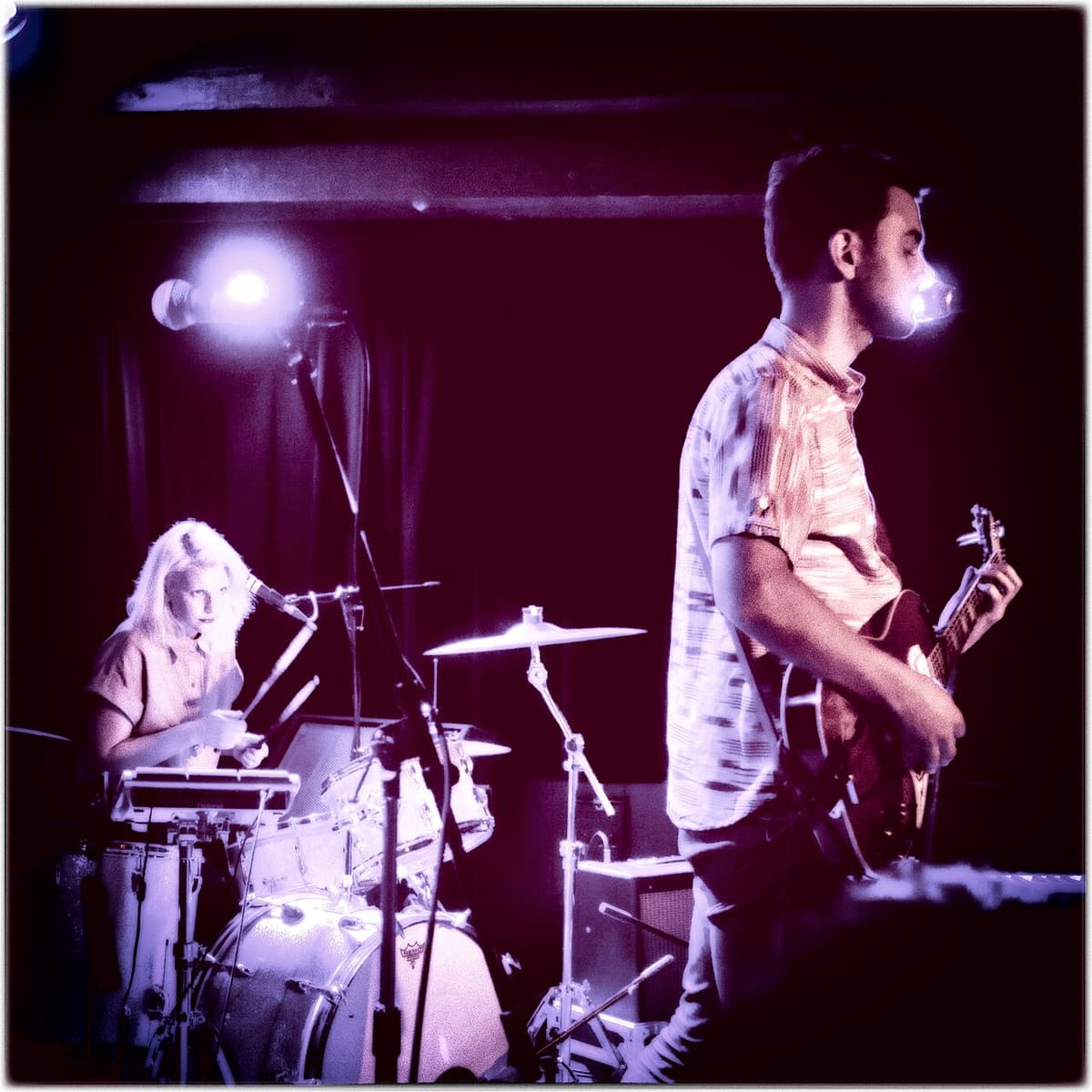
Big Scary
Intimate piano-led grooves and breathy falsetto harmonies. A sophisticated blend of indie-pop and artful minimalism for quiet nights and thoughtful commutes.
Intimate piano-led grooves and breathy falsetto harmonies. A sophisticated blend of indie-pop and artful minimalism for quiet nights and thoughtful commutes.
Big Scary is a seminal Australian duo consisting of Tom Iansek and Joanna Syme. Formed in Melbourne in 2006, they initially gained traction for their eclectic approach, moving from garage rock to piano-pop.
Their sound identity is defined by Iansek's production signature, characterized by analog warmth, falsetto vocal layering, and a 'less is more' philosophy. Syme’s drumming provides a distinctive rhythmic backbone that often avoids standard rock tropes in favor of jazz-influenced syncopation. The band reached a critical zenith with 2013's 'Not Art', which won the Australian Music Prize and signaled a shift toward art-pop and electronic textures. Iansek’s parallel success with his side project #1 Dads has further cemented his reputation as a premier architect of the 'Melbourne sound.' Their influence is felt across the Australian indie landscape, particularly in the way they blend high-concept art-pop with accessible, emotive songwriting. Critical consensus highlights their ability to evolve without losing their core intimacy.
Shares indie pop, indie rock, chamber pop (subgenres); falsetto, breathy, harmonized (vocal style)
Shares indie pop, art pop, indie rock (subgenres); contemplative, bittersweet, wistful (moods)
Shares contemplative, bittersweet, wistful (moods); indie pop, art pop, chamber pop (subgenres)
Shares indie rock, art pop, chamber pop (subgenres); analog_warmth, layered_dense, minimalist (production style)
Shares indie pop, art pop, indie rock (subgenres); falsetto, breathy, harmonized (vocal style)
Shares indie pop, indie rock, chamber pop (subgenres); falsetto, breathy, gentle (vocal style)
Shares indie rock, indie pop, chamber pop (subgenres); wistful, contemplative, playful (moods)
Shares contemplative, bittersweet, wistful (moods); indie pop, art pop, indie rock (subgenres)
Cassette uses generative AI to enrich its catalog. How we use AI →