Billy Nicholls
Lush, sun-drenched baroque pop that feels like a lost British response to Pet Sounds. Ornate arrangements and shimmering vocal stacks for a quiet afternoon.
Lush, sun-drenched baroque pop that feels like a lost British response to Pet Sounds. Ornate arrangements and shimmering vocal stacks for a quiet afternoon.
Billy Nicholls creates music that feels like a beautifully preserved artifact from a more optimistic era. It is the sound of 1960s London filtered through a lens of high-art ambition, where pop melodies are elevated by harpsichords, brass sections, and intricate orchestral flourishes. The atmosphere is consistently warm and golden, evoking a sense of pastoral peace and sophisticated craftsmanship.
What truly sets Nicholls apart is the sheer density of his vocal arrangements. Influenced heavily by the Beach Boys, he employs a 'Wall of Sound' approach that remains surprisingly intimate. There is a specific English gentleness to his delivery, a polite but profound yearning that separates his work from the more aggressive psychedelia of his contemporaries. It is music that rewards close listening to the layers of harmony.
For those new to his catalog, 'Would You Believe' is the essential starting point. It is a masterpiece of the baroque pop genre that was nearly lost to history, offering a perfect balance of catchy hooks and complex, symphonic production. It is the ideal soundtrack for moments of quiet reflection or a slow, sun-filled morning.
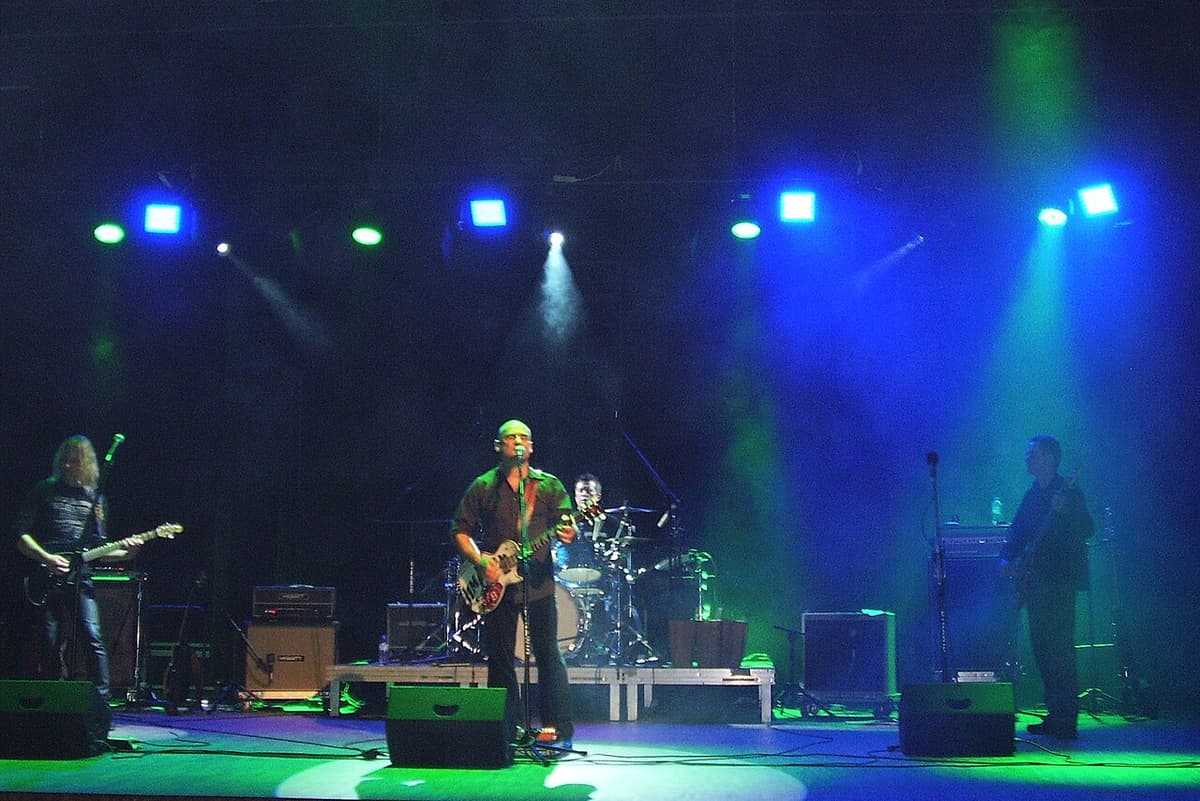
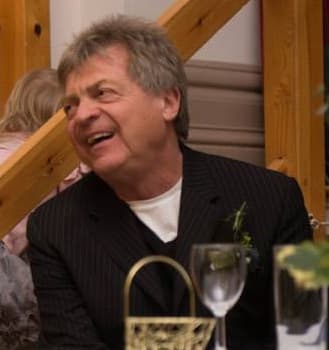
William Morris Nicholls Jr (born 15 February 1949) is an English singer, songwriter, composer, record producer, and musical director. He was born into a musical family, his father Billy Nicholls (Sr.) being a double bassist and big band singer, performing with such bands as The Oscar Rabin Romany Band (Hammersmith Palais), Alan Green with his boys, the RAF band The Squadronaires and later performed on radio with Will Hay with Royal Command Performances. Nicholls first gained fame in the 1960s while still a teenager with his Pet Sounds-influenced album, Would You Believe, originally released on Immediate Records. Nicholls' compositions have been covered by many artists. His first success came in 1977 when Leo Sayer covered "I Can't Stop Loving You (Though I Try)"; it rose to No. 7 in the UK Singles Chart. Nicholls wrote several of the tracks for the film McVicar (starring Roger Daltrey) including "Without Your Love", which was a success in the United States. The Babys covered "White Lightning" on their Head First album in 1978. An American southern rock group, the Outlaws, recorded "I Can't Stop Loving You" on their 1980 release Ghost Riders. More recently, Phil Collins also recorded "I Can't Stop Loving You" in 2002 and it proved successful as a U.S. single, appearing on several of his albums; Collins included it in his last world tour. A longtime acquaintance and occasional collaborator with Pete Townshend, Nicholls was involved in the Deep End concerts in Brixton and Cannes. He toured with The Who in 1989 and 1996–1997, serving as backup singer and music director; he also provided backing vocals for the band's version of "Saturday Night's Alright for Fighting", which appeared on the tribute album Two Rooms: Celebrating the Songs of Elton John & Bernie Taupin. He has contributed backing vocals for many friends and artists over the years, including uncredited backing vocals on The Nice's 1967 debut single "The Thoughts of Emerlist Davjack". In 2003, Nicholls received an ASCAP award for "I Can't Stop Loving You". Keith Urban recorded the song in 2006 on his fifth studio album, Love, Pain & the Whole Crazy Thing. In 2009 a promotional copy of Would You Believe was sold on eBay for £7,312. Nicholls set up Southwest Records in 1998 and has so far released nine albums featuring his own work. He is the father of musician Morgan Nicholls, singer songwriter Amy Nicholls, and film director Will Nicholls.
Shares baroque pop, chamber pop, art pop (subgenres); wistful, dreamy, nostalgic (moods)
Shares baroque pop, chamber pop, art pop (subgenres); golden hour, sunday morning, library (atmosphere)
Shares orchestral arrangement, wall of sound, analog warmth (production style); baroque pop, chamber pop, soft rock (subgenres)
Shares baroque pop, chamber pop, art pop (subgenres); golden hour, sunday morning, library (atmosphere)
Shares gentle, harmonized, breathy (vocal style); baroque pop, chamber pop, art pop (subgenres)
Shares baroque pop, chamber pop, art pop (subgenres); orchestral arrangement, analog warmth, layered dense (production style)
Shares baroque pop, chamber pop, art pop (subgenres); dreamy, wistful, nostalgic (moods)
Shares orchestral arrangement, analog warmth, layered dense (production style); wistful, dreamy, nostalgic (moods)
Shares baroque pop, chamber pop, art pop (subgenres); orchestral arrangement, analog warmth, layered dense (production style)
Shares baroque pop, library, harmonized, art pop (signature)
Cassette uses generative AI to enrich its catalog. How we use AI →