BRAThANKI
High-energy Polish folk rock that pairs soaring violin solos with catchy pop hooks. It is the sound of a mountain festival in full swing. Vibrant, rhythmic, and fun.
High-energy Polish folk rock that pairs soaring violin solos with catchy pop hooks. It is the sound of a mountain festival in full swing. Vibrant, rhythmic, and fun.
Brathanki emerged in the late 1990s as a pivotal force in the Polish 'folk-rock boom,' a movement that modernized traditional highland music for a mainstream audience. Formed by Janusz Mus, the group achieved massive commercial success with their debut album 'Ano!'
in 2000, which went multi-platinum. Their sound identity is built on the fusion of Carpathian folk traditions (Polish, Hungarian, and Slovak) with polished pop-rock production. The early era was defined by the distinctive vocals of Halina Mlynkova, whose departure in 2003 marked a significant shift in the band's trajectory, though they continued with various vocalists. Critically, they are viewed as masters of the 'pop-folk' crossover, often compared to Golec uOrkiestra but with a slightly more rock-oriented edge. Their influence remains significant in Poland, having paved the way for later acts like Enej to find success with similar high-energy, accordion-led arrangements. They occupy a cultural space as a 'national favorite,' frequently appearing at major festivals and televised events.
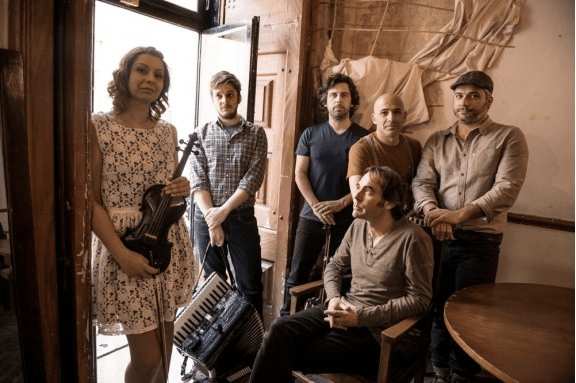
Shares folk rock, pop rock, americana (subgenres); studio_polished, live_recording, hand_played (production style)
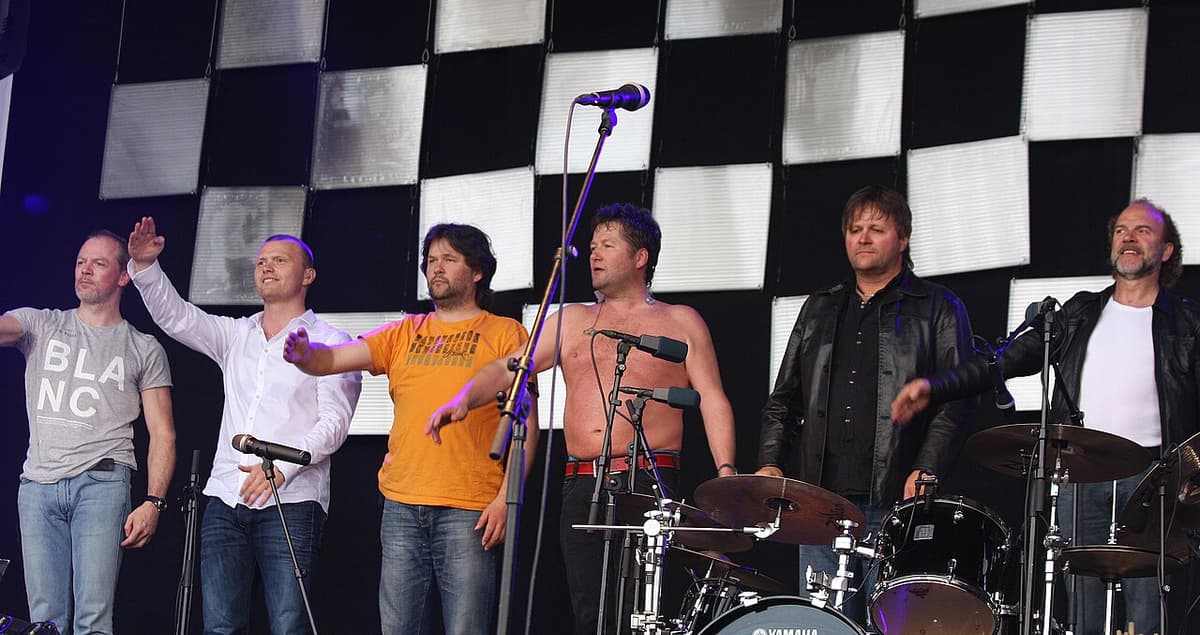
Shares folk rock, pop rock, americana (subgenres); studio_polished, live_recording, hand_played (production style)
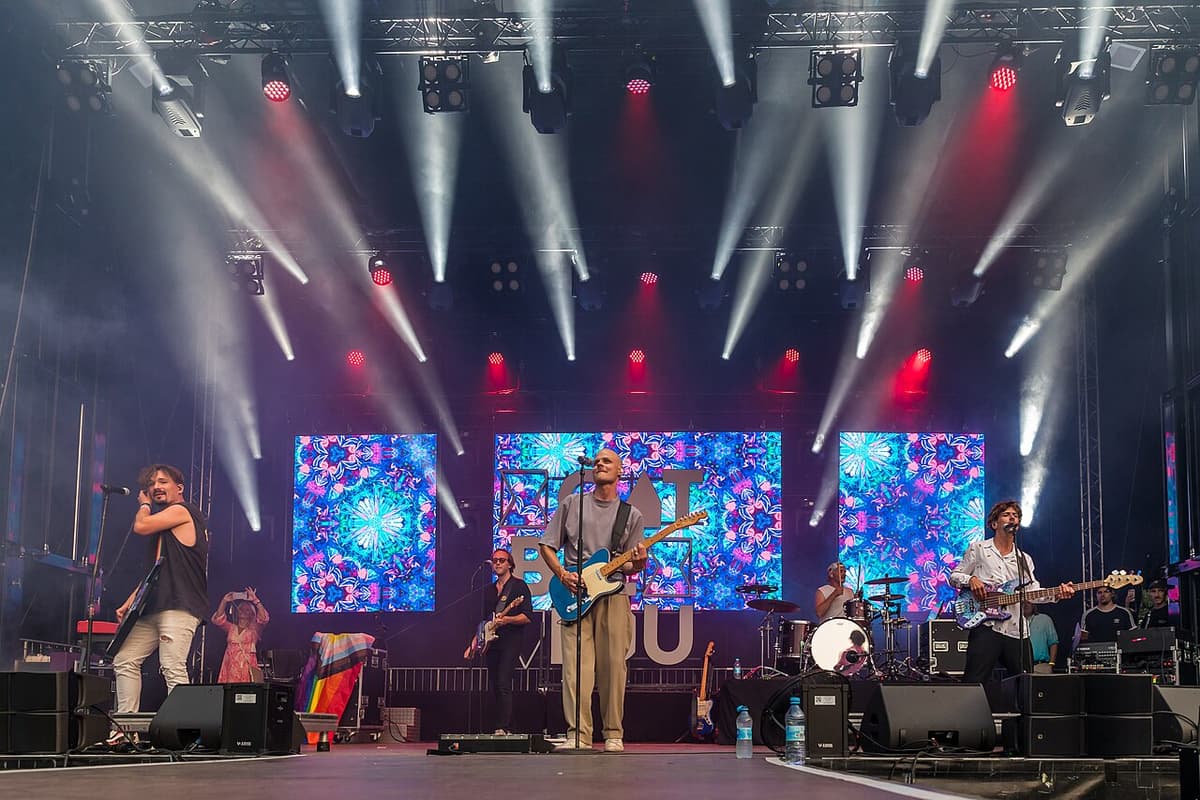
Shares studio_polished, live_recording, hand_played (production style); folk rock, pop rock (subgenres)
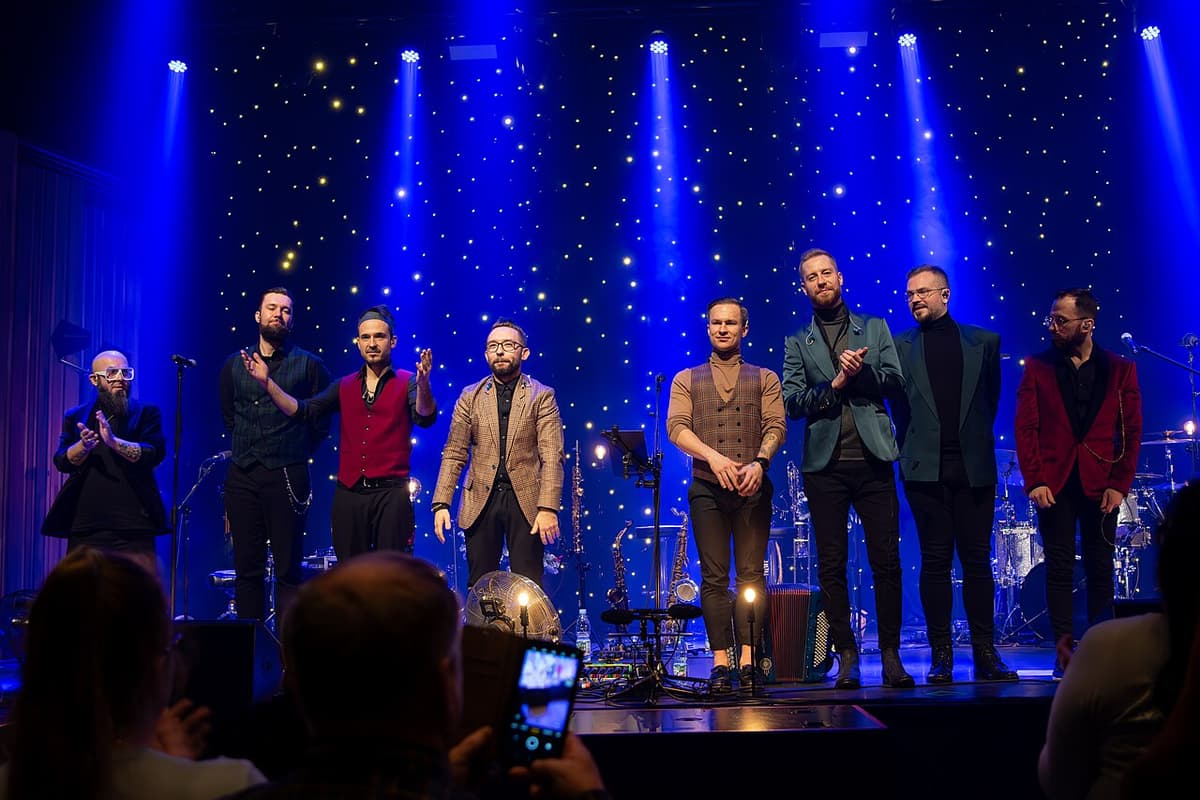
Shares studio_polished, live_recording, hand_played (production style); joyful, energetic, playful (moods)
Shares folk rock, pop rock, americana (subgenres); studio_polished, live_recording, hand_played (production style)
Shares studio_polished, live_recording, hand_played (production style); joyful, energetic, playful (moods)
Shares joyful, energetic, playful (moods); studio_polished, live_recording, hand_played (production style)
Cassette uses generative AI to enrich its catalog. How we use AI →