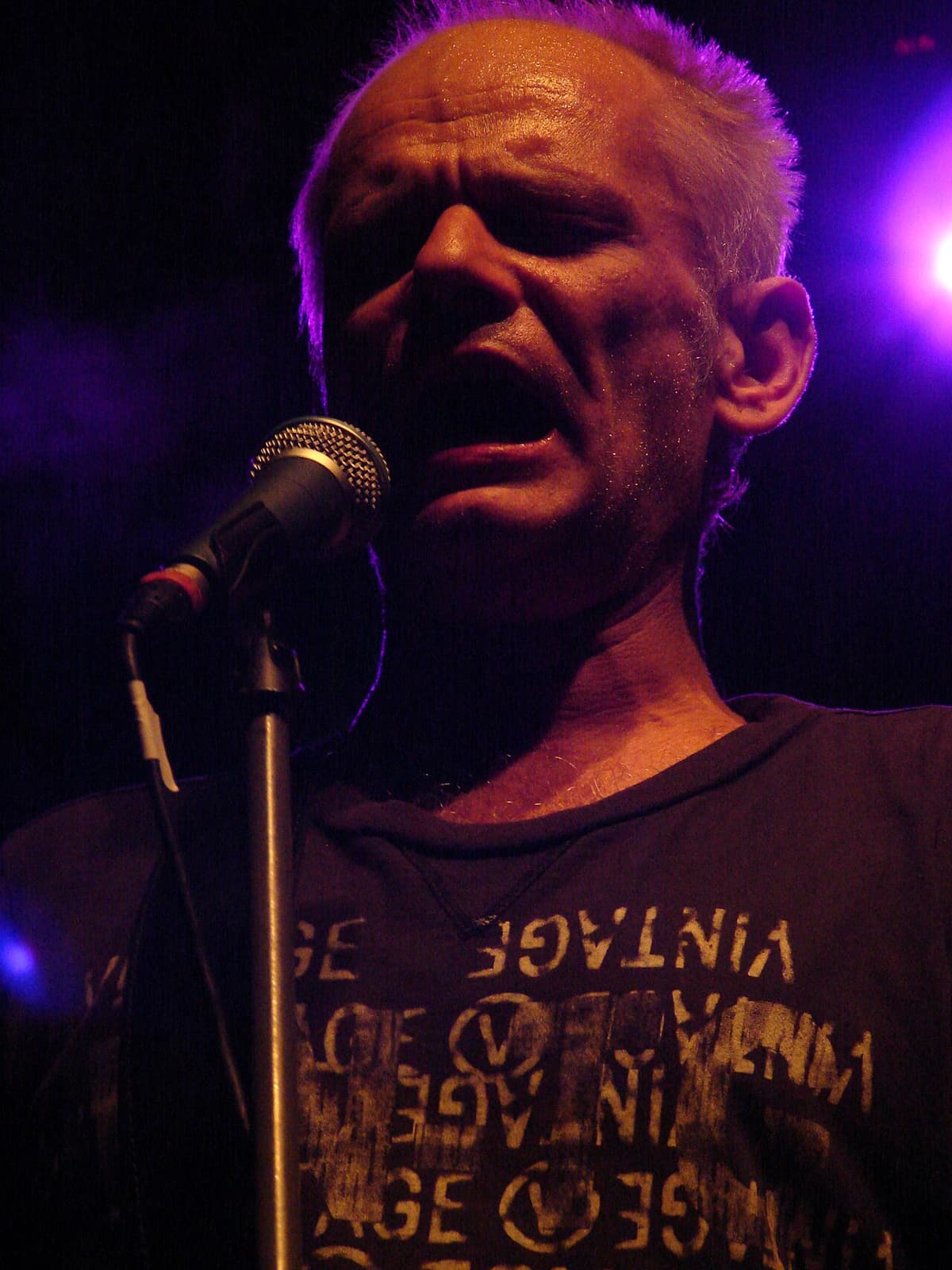
Brygada Kryzys
Jagged post-punk rhythms meeting heavy dub bass and haunting saxophone. The sound of 1980s Warsaw: tense, defiant, and deeply atmospheric.
Jagged post-punk rhythms meeting heavy dub bass and haunting saxophone. The sound of 1980s Warsaw: tense, defiant, and deeply atmospheric.
Brygada Kryzys sounds like a city under curfew. It is the sonic intersection of jagged, nervous post-punk energy and the deep, spacey echoes of reggae and dub. The guitars are sharp and rhythmic, often dissolving into psychedelic textures, while the bass lines provide a hypnotic, driving foundation that feels both grounded and restless. The addition of a free-jazz-leaning saxophone adds a layer of urban chaos and mourning to the mix.
What makes them truly distinctive is their 'punkadelic' philosophy. Unlike the straightforward aggression of their contemporaries, they embraced space, silence, and repetition. There is a profound sense of paranoia and claustrophobia in the recordings, a direct reflection of the political climate in Poland during the early 1980s. It is music that feels like it was recorded in secret, vibrating with a quiet but unstoppable rebellion.
Start with their 1982 self-titled debut, often called the 'Black Album.' It is a masterpiece of European post-punk that captures a very specific moment in history. From the iconic opening of 'Centrala' to the dub-heavy experiments throughout, it serves as the perfect gateway into their world of rhythmic tension and atmospheric defiance.
Brygada Kryzys ('Crisis Brigade') (Polish pronunciation: [brɨˈɡada ˈkrɨzɨs]) was one of the most important and influential Polish post-punk bands. The band was founded in 1981 by two well-known guitarist/vocalists from Warsaw, Robert Brylewski (formerly of the band Kryzys) and Tomasz Lipiński (from Tilt).
Shares anxious, brooding, tense (moods); post-punk, punk rock (subgenres)
Shares post-punk, new wave, punk rock (subgenres); defiant, brooding, tense (moods)
Shares lo fi, analog warmth, reverb heavy (production style); urban night, fog, basement show (atmosphere)
Shares lo fi, reverb heavy, analog warmth (production style); post-punk, punk rock (subgenres)
Shares post-punk, punk rock, dub (subgenres); lo fi, reverb heavy, analog warmth (production style)
Shares lo fi, reverb heavy, tape saturation (production style); basement show, urban night, fog (atmosphere)
Shares urban night, fog, basement show (atmosphere); deadpan, intense, spoken word (vocal style)
Shares urban night, fog, basement show (atmosphere); lo fi, reverb heavy, analog warmth (production style)
Shares deadpan, intense, spoken word (vocal style); post-punk, punk rock (subgenres)
Shares post-punk, punk rock (subgenres); lo fi, reverb heavy, analog warmth (production style)
Shares dub, post-punk, tense, saxophone (signature)
Cassette uses generative AI to enrich its catalog. How we use AI →