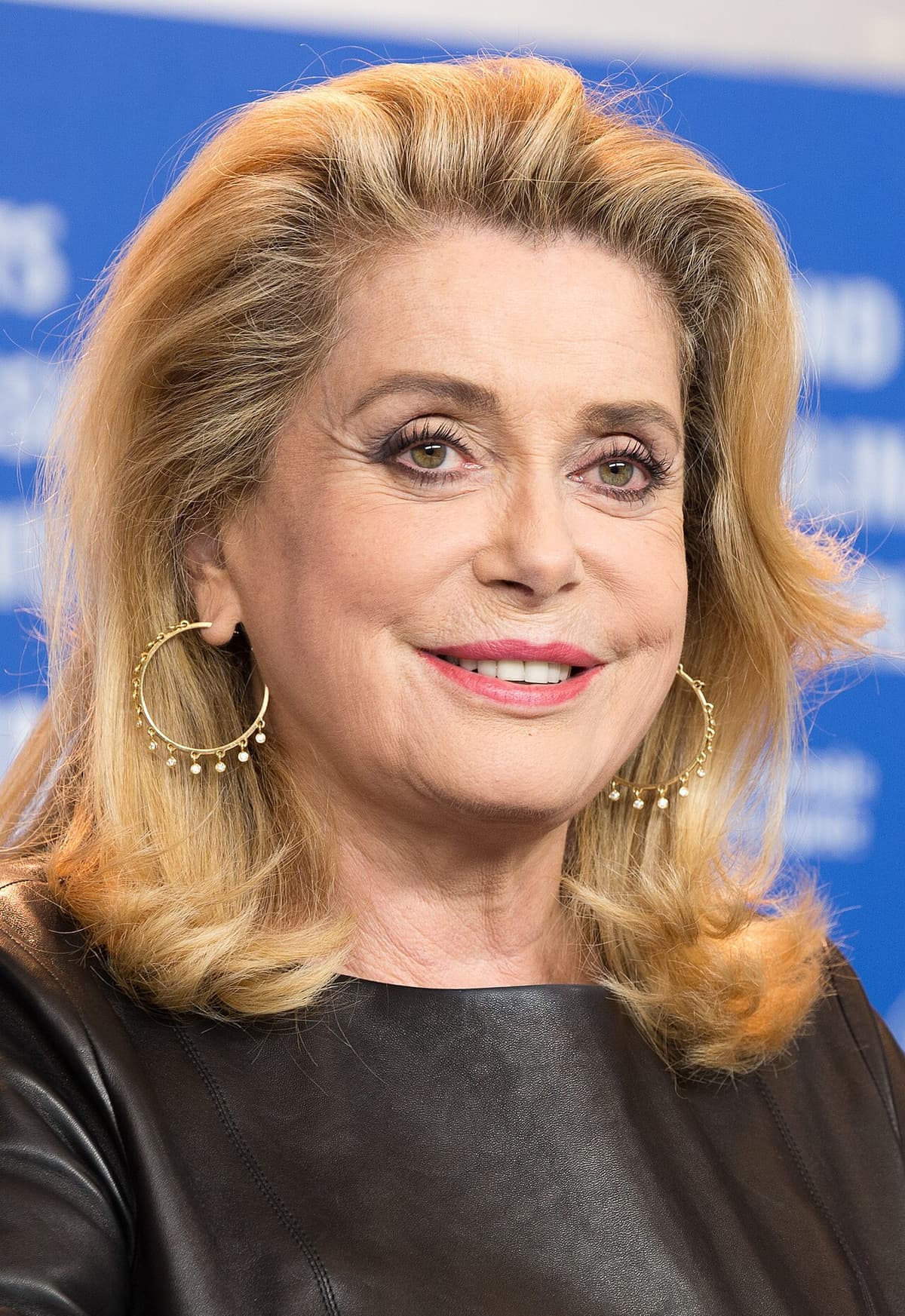
Catherine Deneuve
Elegant, breathy French chanson that feels like a black-and-white film. Sophisticated pop for rainy afternoons and late-night reflection.
Elegant, breathy French chanson that feels like a black-and-white film. Sophisticated pop for rainy afternoons and late-night reflection.
Listening to Catherine Deneuve is like stepping into a dimly lit Parisian salon where the air is thick with history and expensive perfume. Her musical output is an extension of her cinematic persona: cool, detached, yet deeply evocative. The sound is rooted in the French chanson tradition, characterized by lush orchestral swells, delicate piano melodies, and a production style that favors intimacy over power. It is music that does not demand attention but commands it through sheer poise.
What makes her sound distinctive is the 'parlé-chanté' (spoken-sung) technique. She rarely belts; instead, she whispers and murmurs her way through stories of love, loss, and existential longing. This creates a sense of proximity, as if she is leaning in to tell you a secret. The arrangements, often helmed by legends like Serge Gainsbourg, provide a rich, velvet-like backdrop that contrasts with her airy, almost fragile vocal delivery. It is the sound of an 'ice maiden' with a hidden, burning interior.
For those new to her discography, the collaboration with Serge Gainsbourg on 'Dieu fumeur de havanes' is the essential starting point. It captures the perfect intersection of her cinematic allure and the decadent, smoky pop of the early 80s. From there, explore her soundtrack work, particularly the Jacques Demy musicals, to hear how her voice anchors some of the most iconic moments in European film history.
Catherine Fabienne Dorléac (born 22 October 1943), known professionally as Catherine Deneuve (UK: , US: , French: [katʁin dənœv] ), is a French actress. She is considered one of the greatest European actresses on film. In 2020, The New York Times ranked her as one of the greatest actors of the 21st century. Deneuve made her screen debut in 1957 at age 13, in a film shot the previous year when she was only 12. A major figure of the New Wave, she became, like Brigitte Bardot and Alain Delon, one of the best-known French artists in the world. In a career spanning nearly 70 years, she has played more than a hundred roles and is recognized in France and internationally for being one of the key faces of the musical film genre with appearances in The Umbrellas of Cherbourg, The Young Girls of Rochefort, Donkey Skin, 8 Women and The Beloved. Early in her career, she gained acclaim for her portrayals of aloof and mysterious beauties while working for well-known directors such as Luis Buñuel, François Truffaut, Jacques Demy, Roman Polanski, and Agnès Varda. Her career led her to work in several countries: in the United States, under the direction of Robert Aldrich and Tony Scott; in the United Kingdom, collaborating with Terence Young and Dick Richards; in Italy, with Marco Ferreri, Mauro Bolognini, Sergio Citti, Mario Monicelli and Dino Risi; in Spain, with Luis Buñuel; in Portugal, with Manoel de Oliveira; in Denmark, with Lars von Trier; in Japan, with Eric Khoo; and also in Austria, Russia and Lebanon. She played in films attracting a total of nearly 99 million spectators in theaters, making her the working actress with the most admissions in France. In 1985, she succeeded Mireille Mathieu as the official face of Marianne, France's national symbol of liberty. She has received numerous accolades over her career including a César Award for The Last Metro and the Venice Film Festival's Volpi Cup for Best Actress for Place Vendôme, as well as nominations for an Academy Award for Indochine and a BAFTA Award for Belle de Jour. To English-speaking audiences, Deneuve is best known for The Hunger. Her other notable films include Repulsion, The April Fools, Scene of the Crime and My Favorite Season. She has received honorary awards, including the Berlin International Film Festival's Golden Bear in 1998, the Cannes Film Festival's Honorary Palme d'Or in 2005, and the Venice Film Festival's Golden Lion in 2022.
Shares analog warmth, orchestral arrangement, studio polished (production style); traditional pop (subgenres)
Shares traditional pop (subgenres); orchestral arrangement, analog warmth, studio polished (production style)
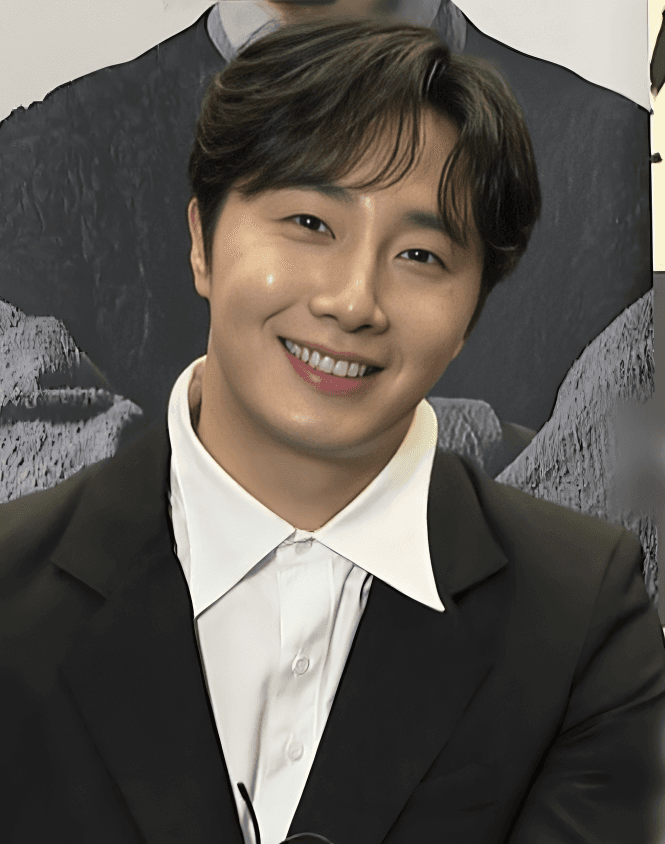
Shares traditional pop (subgenres); studio polished, orchestral arrangement, dry intimate (production style)

Shares traditional pop (subgenres); studio polished, orchestral arrangement, analog warmth (production style)
Shares analog warmth, orchestral arrangement, studio polished (production style); melancholic, wistful, romantic (moods)
Shares traditional pop (subgenres); orchestral arrangement, analog warmth, studio polished (production style)

Shares traditional pop (subgenres); studio polished, orchestral arrangement, analog warmth (production style)
Shares traditional pop (subgenres); analog warmth, orchestral arrangement, studio polished (production style)
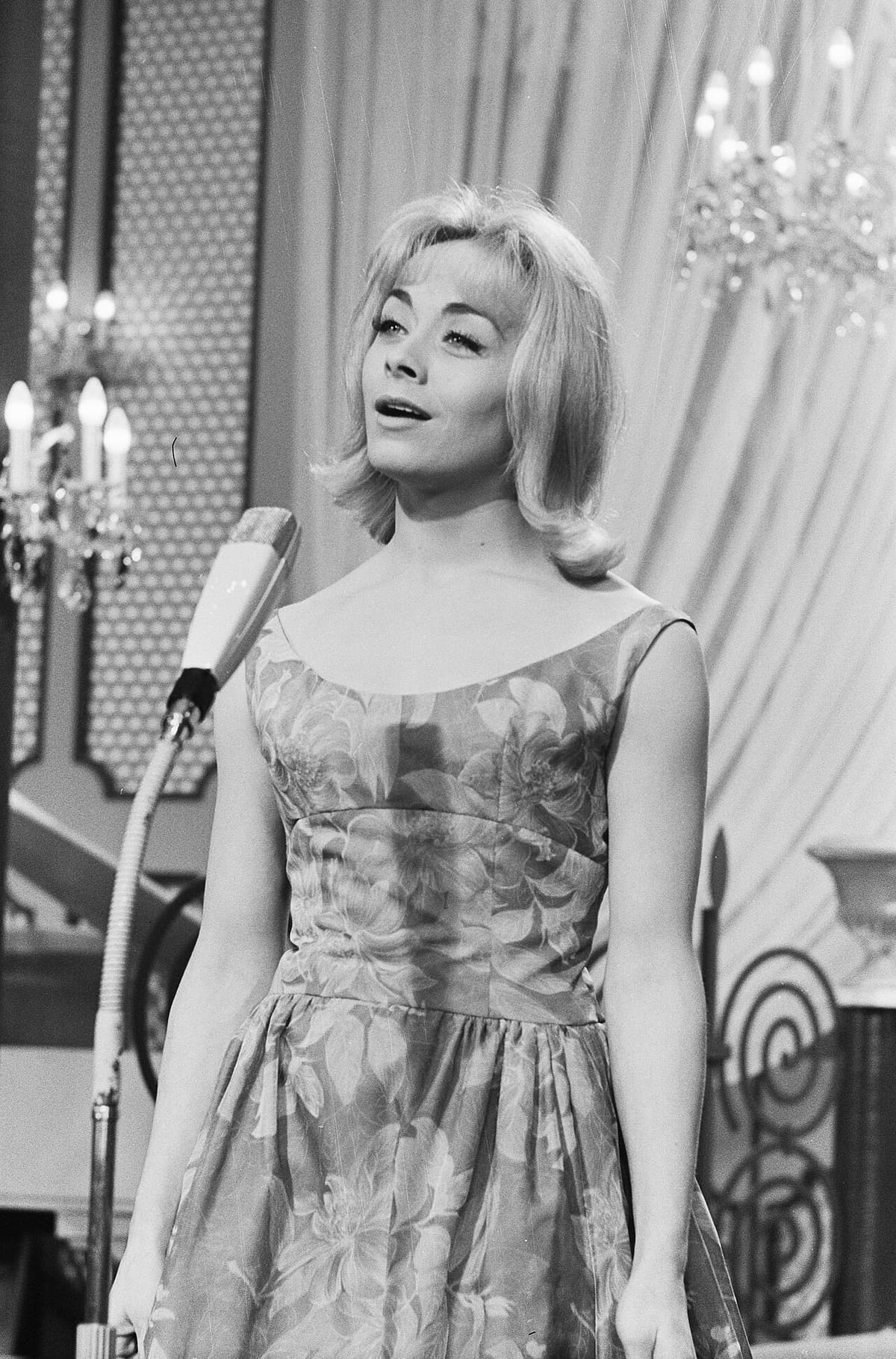
Shares traditional pop (subgenres); orchestral arrangement, analog warmth, studio polished (production style)
Shares traditional pop (subgenres); orchestral arrangement, analog warmth, studio polished (production style)
Cassette uses generative AI to enrich its catalog. How we use AI →