Charles Wright & the Watts 103rd Street Rhythm Band represent a pivotal bridge in the evolution of African-American music, transitioning from the structured soul of the mid-60s into the liberated, rhythm-centric funk of the 1970s. Based in Los Angeles, the group was one of the first to successfully merge jazz-influenced instrumental proficiency with a raw, street-level R&B sensibility.
Their sound is defined by Wright's rhythmic guitar work and a brass section that functions as a secondary percussion unit. A. The band's career arc saw them move from a backing unit for other artists to a self-contained powerhouse, eventually exploring more experimental 'Rhythm and Poetry' (an early precursor to the concept of rap) before Wright transitioned into a solo career. Critical consensus views them as essential architects of the funk genre, praised for their 'loose' but locked-in ensemble playing.


Shares hand_played, funk, trumpet, soul (signature)
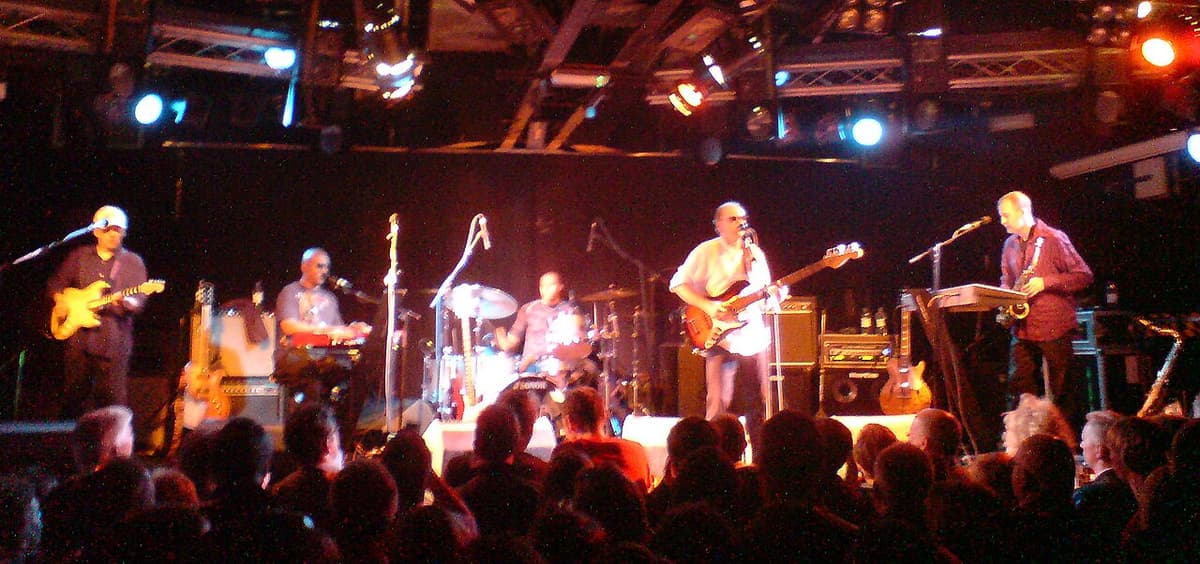
Shares funk, trumpet, jazz fusion, hand_played (signature)
Shares funk, trumpet, jazz fusion, hand_played (signature)
Shares funk, trumpet, dry_intimate, soul (signature)
Shares trumpet, jazz fusion, funk, dry_intimate (instrumentation)
Shares funk, trumpet, soul, saxophone (signature)
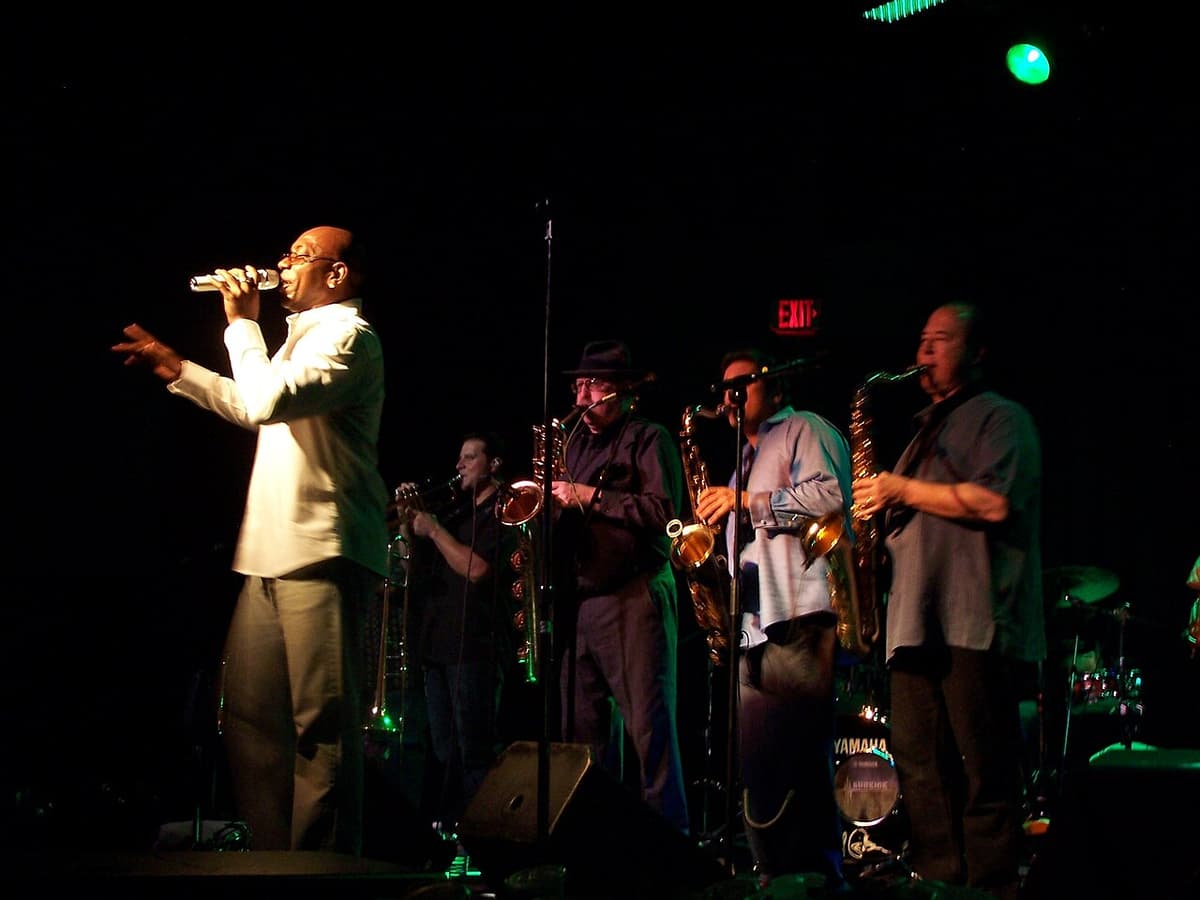
Shares funk, trumpet, hand_played, soul (signature)
Cassette uses generative AI to enrich its catalog. How we use AI →