CoLD SToRAGE
High-velocity 90s electronica that captures the rush of futuristic racing. Propulsive breakbeats and neon synths for deep focus or high-speed movement.
High-velocity 90s electronica that captures the rush of futuristic racing. Propulsive breakbeats and neon synths for deep focus or high-speed movement.
Listening to CoLD SToRAGE feels like being plugged directly into a high-speed fiber optic cable. The music is defined by an unrelenting forward momentum, characterized by the crisp, digital crunch of 90s trackers and the soaring, melodic leads of early trance. It is the sound of the future as imagined in 1995: sleek, chrome-plated, and moving much faster than the speed of sound.
What sets Tim Wright apart is his ability to marry the aggressive, breakbeat-heavy energy of UK big beat with a melodic sensibility born from his classical piano training. While contemporaries like Fluke or Underworld were aimed at the club floor, Wright's work under the CoLD SToRAGE moniker was designed for the cockpit. There is a specific 'velocity' to the arrangements, where every synth stab and drum fill is engineered to enhance a sense of physical speed.
For the uninitiated, the Wipeout 2097 soundtrack (often found on the 'MELT' or 'HD' collections) is the essential starting point. It captures the peak of the 'PlayStation Generation' aesthetic, blending industrial grit with euphoric electronic heights. It is perfect for anyone who needs their music to provide a caffeinated, hyper-focused edge to their day.
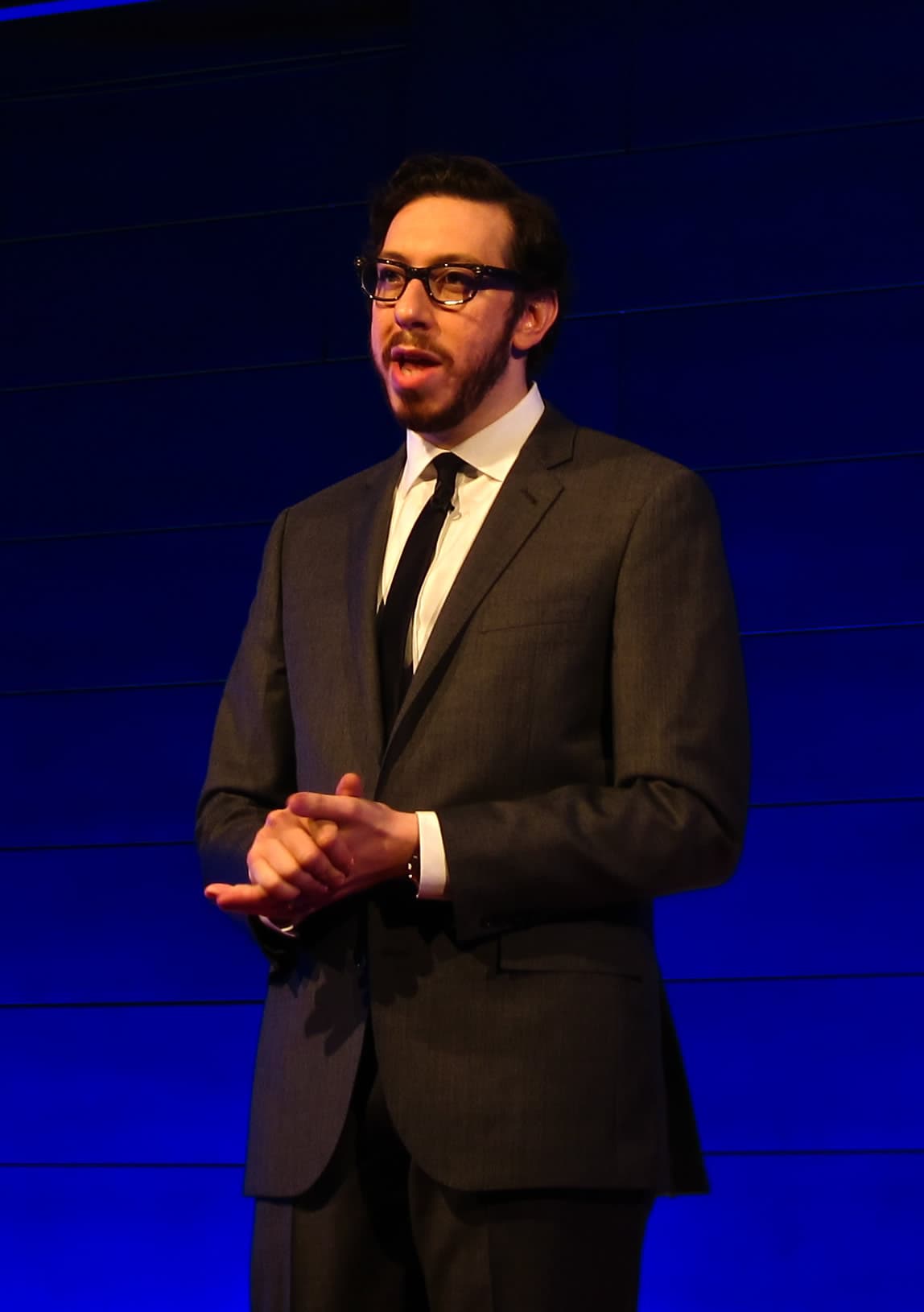
Tim Wright, known professionally as CoLD SToRAGE (stylised as CoLD SToRAGE), is a Welsh video game music composer best known for his work on Wipeout 2097. His compositions for the game drew on 1990s UK big beat and electronic music trends, influenced by artists such as The Chemical Brothers. This style helped define Wipeout 2097's futuristic racing soundtrack and contributed to the popularisation of electronic music in video games. Wright has also contributed to the soundtracks of Shadow of the Beast II, Agony, Lemmings, and Colony Wars. Wright’s career began in the early 1990s, with his first commercial works created using the Amiga computer and featured in computer games published by Psygnosis. He left Sony in 1997 to form Jester Interactive, developing music creation software for home consoles, such as Music and Music 2000 for the PlayStation and MTV, and Music Generator and Music 3000 for the PlayStation 2, before leaving with his brothers to form Checkmate Solutions Limited. At Checkmate, Wright developed several musical sequencing products for Empire Interactive plc. under the eJay brand. He subsequently left to form his own company, Tantrumedia Limited, where he composes music, designs music sequencing software and oversees the production of websites and other multimedia projects.
Shares energetic, urgent, triumphant (moods); urban night, running, focused work (atmosphere)
Shares techno, trance, electronica (subgenres); digital clarity, layered dense, drum machine (production style)
Shares big beat, techno, trance (subgenres); processed, instrumental only (vocal style)
Shares digital clarity, layered dense, drum machine (production style); processed, instrumental only (vocal style)
Shares urban night, running, focused work (atmosphere); processed, instrumental only (vocal style)
Shares trance, techno, big beat (subgenres); keys/synth, drum machine, sampler (instrumentation)
Shares techno, trance, big beat (subgenres); instrumental only (vocal style)
Shares processed, instrumental only (vocal style); digital clarity, layered dense (production style)
Shares processed, instrumental only (vocal style); digital clarity, layered dense, drum machine (production style)
Shares big beat, trance, techno, urgent (signature)
Shares big beat, running, electronica, urgent (signature)
Cassette uses generative AI to enrich its catalog. How we use AI →