Imagine a clockwork machine designed for destruction that suddenly decides to play a harpsichord concerto. Cult of Lilith delivers a high-velocity collision of technical death metal and neoclassical elegance. The sound is incredibly dense, characterized by surgical guitar work and drumming that feels almost superhuman in its speed and accuracy. It is a relentless experience that demands your full attention, rewarding listeners who enjoy untangling complex musical knots.
What truly sets them apart is their 'necromechanical baroque' aesthetic. They don't just play fast; they weave in unexpected textures like flamenco acoustic guitars, pipe organs, and operatic vocal leaps. This creates a sense of high-stakes drama that feels both ancient and futuristic. The production is crystal clear, ensuring that even in the most chaotic moments, every individual note of the frantic sweep-picking and every kick of the double bass is audible.
Start with the album Mara to experience their most realized vision. It is a journey through shifting time signatures and sudden stylistic pivots that somehow never loses its aggressive momentum. It is perfect for when you need music that matches a state of high-functioning intensity or when you want to be genuinely surprised by where a metal song can go.


Shares technical death metal, melodic death metal, progressive metal, digital clarity (signature)
Shares neoclassical sweep picking, technical death metal, melodic death metal, explosive bursts (detail)
Shares technical death metal, melodic death metal, explosive bursts, thunderstorm (signature)
Shares technical death metal, melodic death metal, explosive bursts, progressive metal (signature)

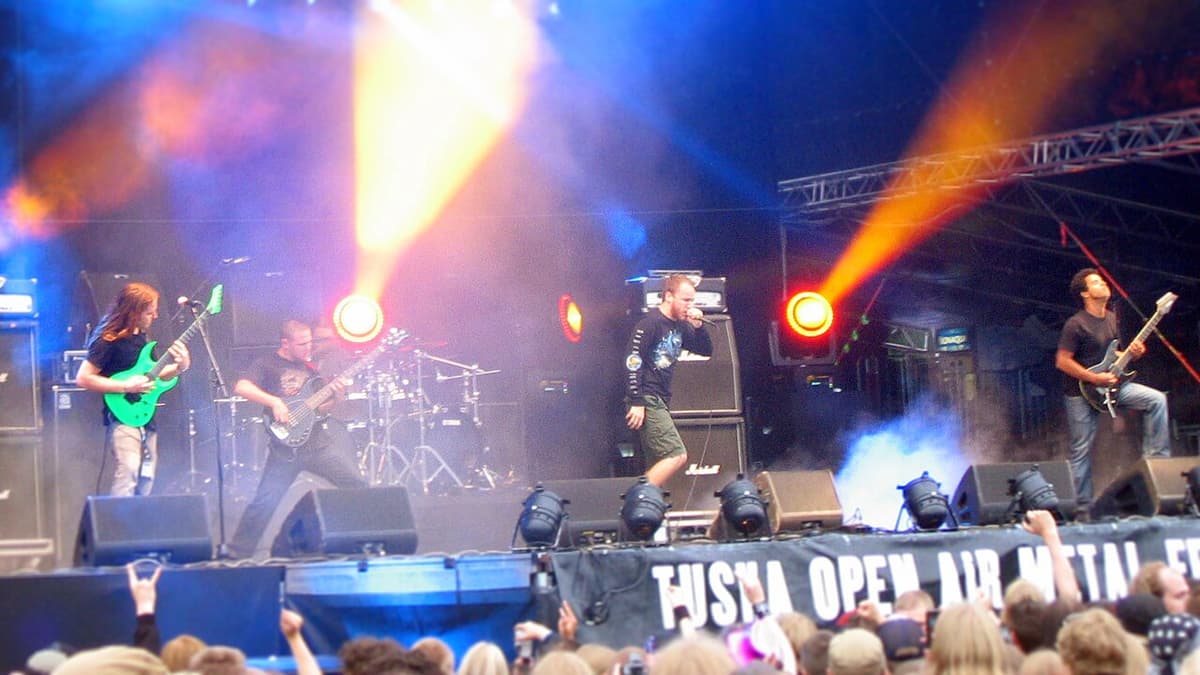
Shares technical death metal, melodic death metal, progressive metal, digital clarity (signature)
Shares technical death metal, melodic death metal, progressive metal, cathedral (signature)

Cassette uses generative AI to enrich its catalog. How we use AI →