Dan Crary
Masterful flatpicking that transformed the acoustic guitar into a bluegrass lead instrument. Warm, authoritative, and technically breathtaking folk music.
Masterful flatpicking that transformed the acoustic guitar into a bluegrass lead instrument. Warm, authoritative, and technically breathtaking folk music.
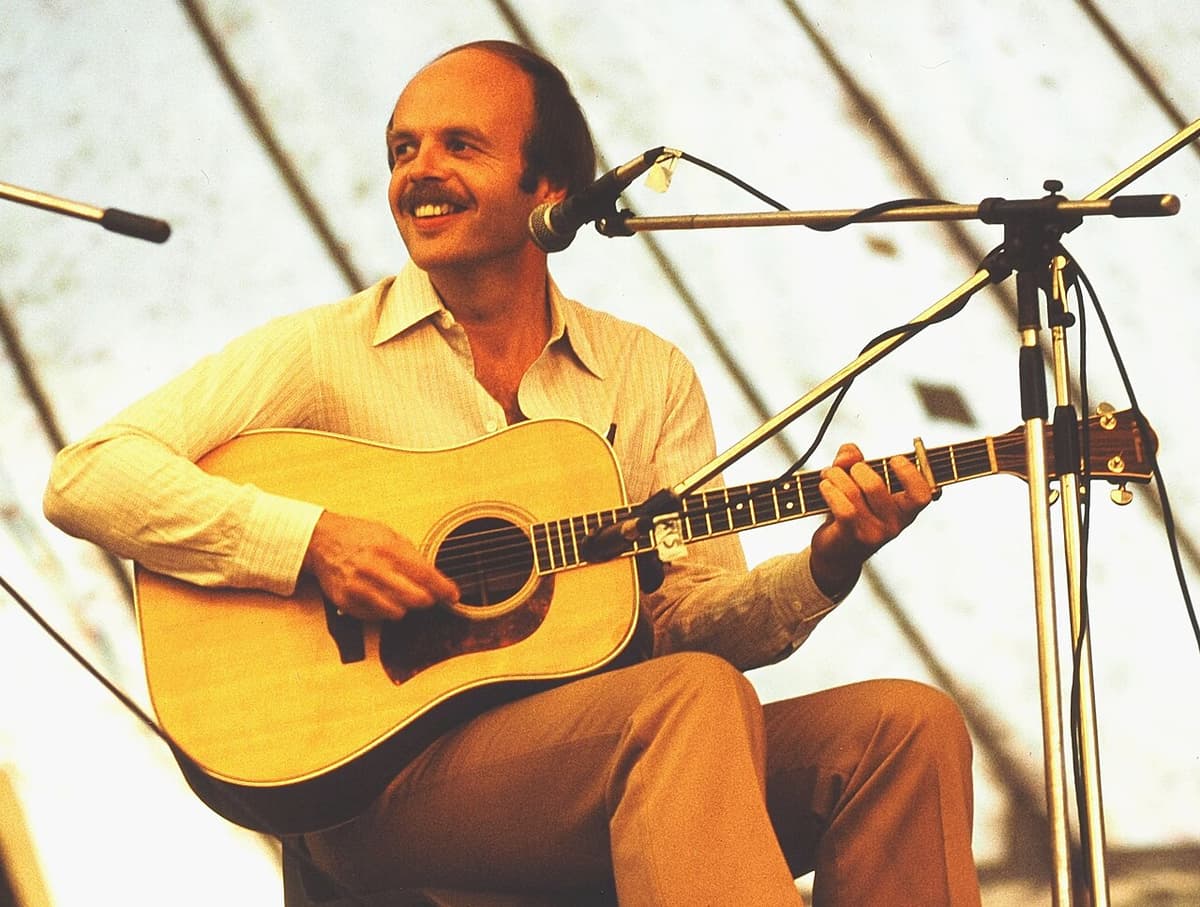
Dan Crary is a foundational figure in the evolution of the acoustic guitar, specifically credited as one of the primary architects of 'flatpicking.' Emerging in the late 1960s and early 1970s, Crary challenged the prevailing bluegrass orthodoxy which relegated the guitar to a rhythm instrument.
Alongside peers like Doc Watson and Clarence White, Crary pioneered the 'solo flatpicker' identity, proving that the steel-string guitar could execute the intricate, high-velocity lead lines typically reserved for the fiddle or mandolin. His 1970 album, 'Bluegrass Guitar,' is considered a canonical text for the instrument, introducing guitar-centric arrangements of standards like 'Gold Rush.' Beyond his technical innovations, Crary is a distinguished academic in communication sciences, a background that informs his articulate, resonant vocal delivery and his thoughtful approach to musical narrative. His career arc reflects a deep commitment to the 'renaissance' of the steel-string guitar, often collaborating with other innovators to push the boundaries of acoustic arrangement while maintaining a staunchly organic, analog-focused production aesthetic. He remains a 'Mount Rushmore' figure for guitarists, bridging the gap between traditional folk and high-art instrumentalism.
Cassette uses generative AI to enrich its catalog. How we use AI →