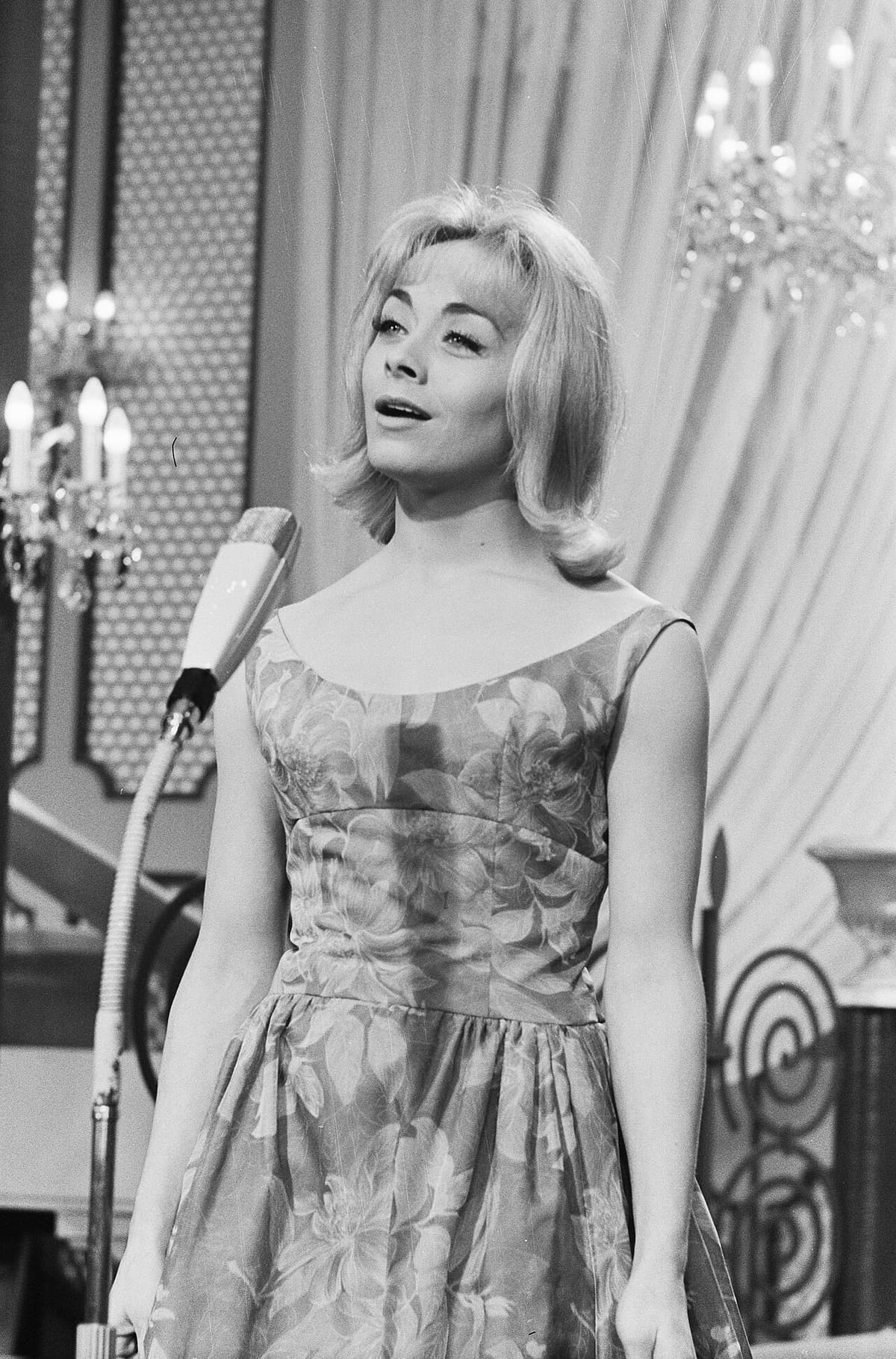
Dana
Sweet, crystalline vocals paired with gentle orchestral arrangements. Pure 1970s sunshine pop that transitions into peaceful, heartfelt devotional music.
Sweet, crystalline vocals paired with gentle orchestral arrangements. Pure 1970s sunshine pop that transitions into peaceful, heartfelt devotional music.
Dana Rosemary Scallon, known simply as Dana, occupies a unique position in Irish cultural history as both a pop icon and a political figure. Her career was launched globally when she won the 1970 Eurovision Song Contest with 'All Kinds of Everything,' a track that epitomizes the 'sunshine pop' and 'chamber pop' aesthetics of the era.
Her early sound is characterized by lush string arrangements and her distinctive, clear soprano voice. Following her initial pop success, she pivoted significantly toward religious and Catholic music in the late 1970s and 1980s, becoming a staple of the Eternal Word Television Network (EWTN). This shift solidified her as a leading voice in contemporary Christian music, particularly within the Catholic tradition. Her influence web connects the melodic simplicity of 1960s girl groups with the earnestness of modern folk-pop. Critically, she is respected for her vocal consistency and her ability to maintain a massive, dedicated following across both secular and spiritual spheres, eventually leveraging this platform into a career in the European Parliament and Irish presidential runs.
Shares traditional pop, vocal jazz, soft rock (subgenres); sentimental, nostalgic, peaceful (moods)
Shares traditional pop, vocal jazz, soft rock (subgenres); orchestral_arrangement, studio_polished, analog_warmth (production style)
Shares traditional pop, vocal jazz, soft rock (subgenres); orchestral_arrangement, studio_polished, analog_warmth (production style)

Shares orchestral_arrangement, studio_polished, analog_warmth (production style); traditional pop, vocal jazz (subgenres)
Shares soprano, gentle, breathy (vocal style); orchestral_arrangement, studio_polished, analog_warmth (production style)
Shares analog_warmth, orchestral_arrangement, studio_polished (production style); sentimental, nostalgic, tender (moods)
Cassette uses generative AI to enrich its catalog. How we use AI →