DATA sounds like the intersection of a high-fashion runway and a research laboratory in 1982. The music is defined by its pristine analog synth patches, precise drum machine patterns, and a vocal delivery that oscillates between deadpan observation and lush, operatic harmony. It carries a distinct European sophistication that feels both futuristic and deeply rooted in the cabaret traditions of the early 20th century.
What makes the project truly distinctive is Georg Kajanus's ability to inject wit and satire into a genre that was often criticized for being cold. By blending the mechanical rigidity of sequencers with the Boulter sisters' human, often theatrical vocals, DATA created a sound that was technically impressive yet emotionally accessible. Their later experimentation with country and western themes on synthesizers remains one of the most curious and successful genre-clashes of the era.
For those new to their catalog, the compilation Accumulator is the essential entry point. It captures the transition from their experimental, satirical early work into the more melodic and polished pop of the mid-80s. It is the perfect soundtrack for anyone who appreciates the aesthetic of early digital culture and the warmth of classic Roland and Yamaha hardware.
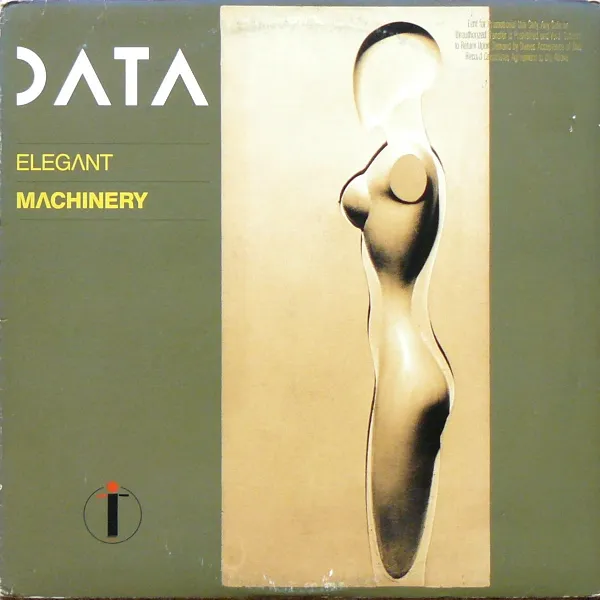
DATA was an electronic music band created in 1980 by Georg Kajanus, creator of such bands as Eclection, Sailor and Noir (with Tim Dry of the robotic/music duo Tik and Tok). After the break-up of Sailor in the late 1970s, Kajanus decided to experiment with electronic music and formed DATA, together with vocalists Francesca ("Frankie") and Phillipa ("Phil") Boulter, daughters of British singer John Boulter. The classically orientated title track of DATA’s first album, Opera Electronica, was used as the theme music to the short film, Towers of Babel (1981), which was directed by Jonathan Lewis (director). Jonathan Lewis and starred Anna Quayle and Ken Campbell. Towers of Babel was nominated for a BAFTA award in 1982 and won the Silver Hugo Award for Best Short Film at the Chicago International Film Festival of the same year. DATA released two more albums, the experimental 2-Time (1983) and the Country & Western-inspired electronica album Elegant Machinery (1985). The title of the last album was the inspiration for the name of Swedish pop synth group, elegant MACHINERY, formerly known as Pole Position. In 1995, Accumulator was released, a compilation album containing the complete albums 2-Time and Elegant Machinery, and the track "Fallout" from Opera Electronica.


Shares synth-pop, art pop, electronica (subgenres); playful, mysterious, wistful (moods)
Shares synth-pop, new wave, art pop (subgenres); playful, mysterious, wistful (moods)
Shares synth-pop, new wave, art pop (subgenres); playful, mysterious (moods)
Shares synth-pop, new wave, art pop (subgenres); analog warmth, minimalist, studio polished (production style)
Shares synth-pop, new wave, art pop (subgenres); playful, mysterious, wistful (moods)
Shares synth-pop, new wave, art pop (subgenres); playful, mysterious, wistful (moods)
Shares synth-pop, new wave, art pop (subgenres); playful, mysterious, wistful (moods)
Shares synth-pop, new wave, art pop (subgenres); playful, mysterious (moods)
Shares synth-pop, new wave, art pop (subgenres); analog warmth, minimalist, digital clarity (production style)
Shares synth-pop, new wave, art pop (subgenres); analog warmth, minimalist, studio polished (production style)
Shares new wave, electronica, art pop, analog warmth (subgenre)
Shares androgynous, new wave, art pop, synth-pop (vocal style)
Cassette uses generative AI to enrich its catalog. How we use AI →