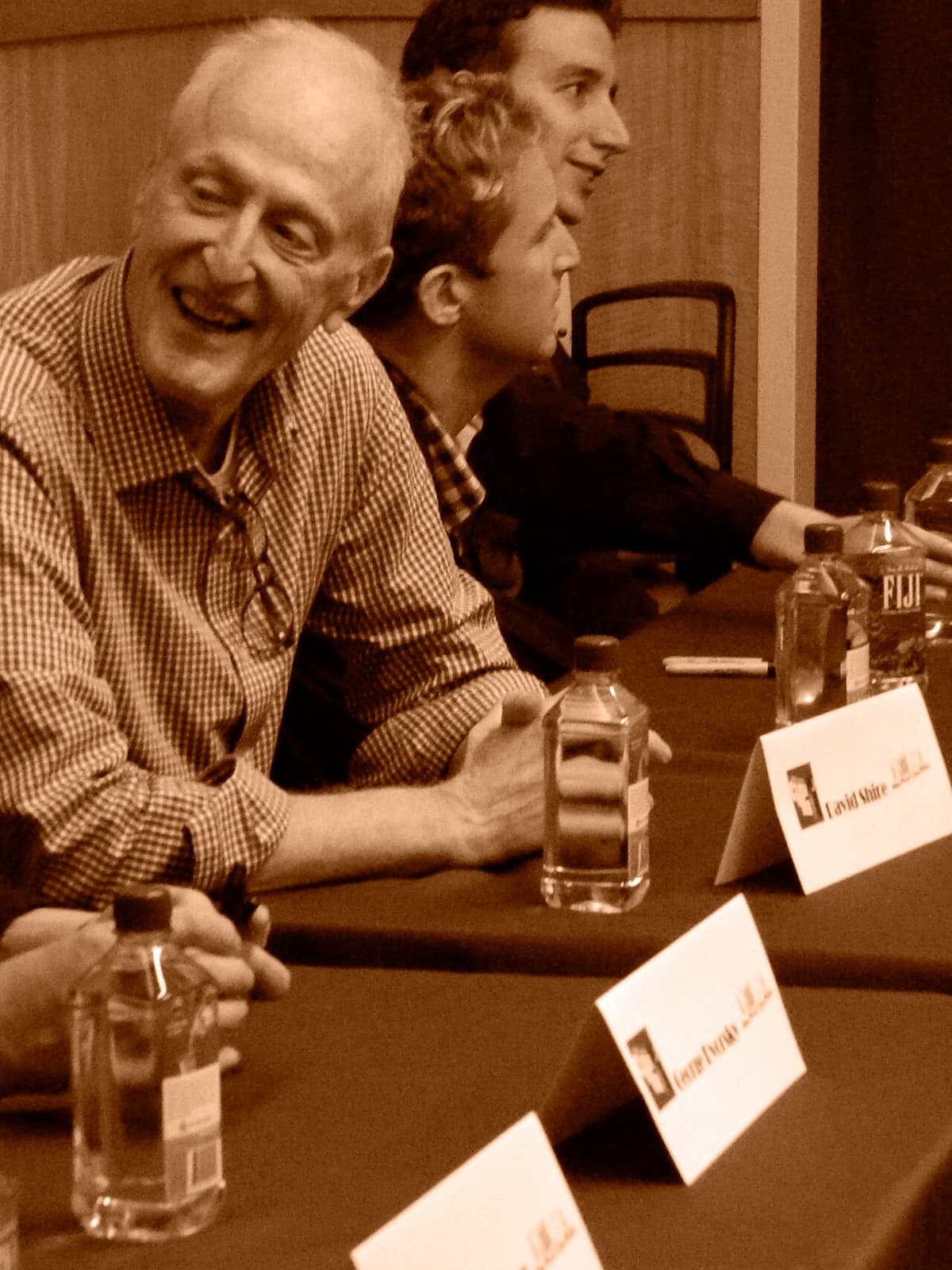
David Shire
Tense, urban soundscapes that define the 70s thriller aesthetic. Gritty jazz-funk meets sophisticated orchestral suspense for late-night focus or city walks.
Tense, urban soundscapes that define the 70s thriller aesthetic. Gritty jazz-funk meets sophisticated orchestral suspense for late-night focus or city walks.
David Shire’s music is the sound of the 1970s American city: paranoid, sophisticated, and rhythmically relentless. Whether he is deploying jagged, twelve-tone brass arrangements for a heist thriller or lush, Rhodes-heavy disco for a dance floor, there is always a sense of architectural precision. His scores feel like a grid - calculated, cool, and slightly dangerous.
What sets Shire apart is his ability to bridge the gap between high-concept modernism and populist groove. He can make a solo piano sound like a surveillance device or turn a classical masterpiece into a floor-filling disco anthem without losing the soul of the original. His work is defined by a 'dry' intimacy that favors crisp percussion and clear instrumental separation over muddy reverb.
Start with the score for 'The Taking of Pelham One Two Three' to hear his mastery of aggressive, rhythmic jazz-funk. For a completely different side of his genius, listen to 'The Conversation,' where a lonely, repetitive piano theme captures the essence of isolation and surveillance better than any full orchestra ever could.
David Lee Shire (born July 3, 1937) is an American songwriter and composer of stage musicals, film and television scores. Among his best known works are the motion picture soundtracks to The Big Bus, The Taking of Pelham One Two Three, The Conversation, All the President's Men, and parts of the Saturday Night Fever soundtrack such as "Manhattan Skyline". His other work includes the score of the 1985 film Return to Oz (the "sequel-in-part" of The Wizard of Oz), and the stage musical scores of Baby, Big, Closer Than Ever, and Starting Here, Starting Now. Shire is married to actress Didi Conn.
Cassette uses generative AI to enrich its catalog. How we use AI →

