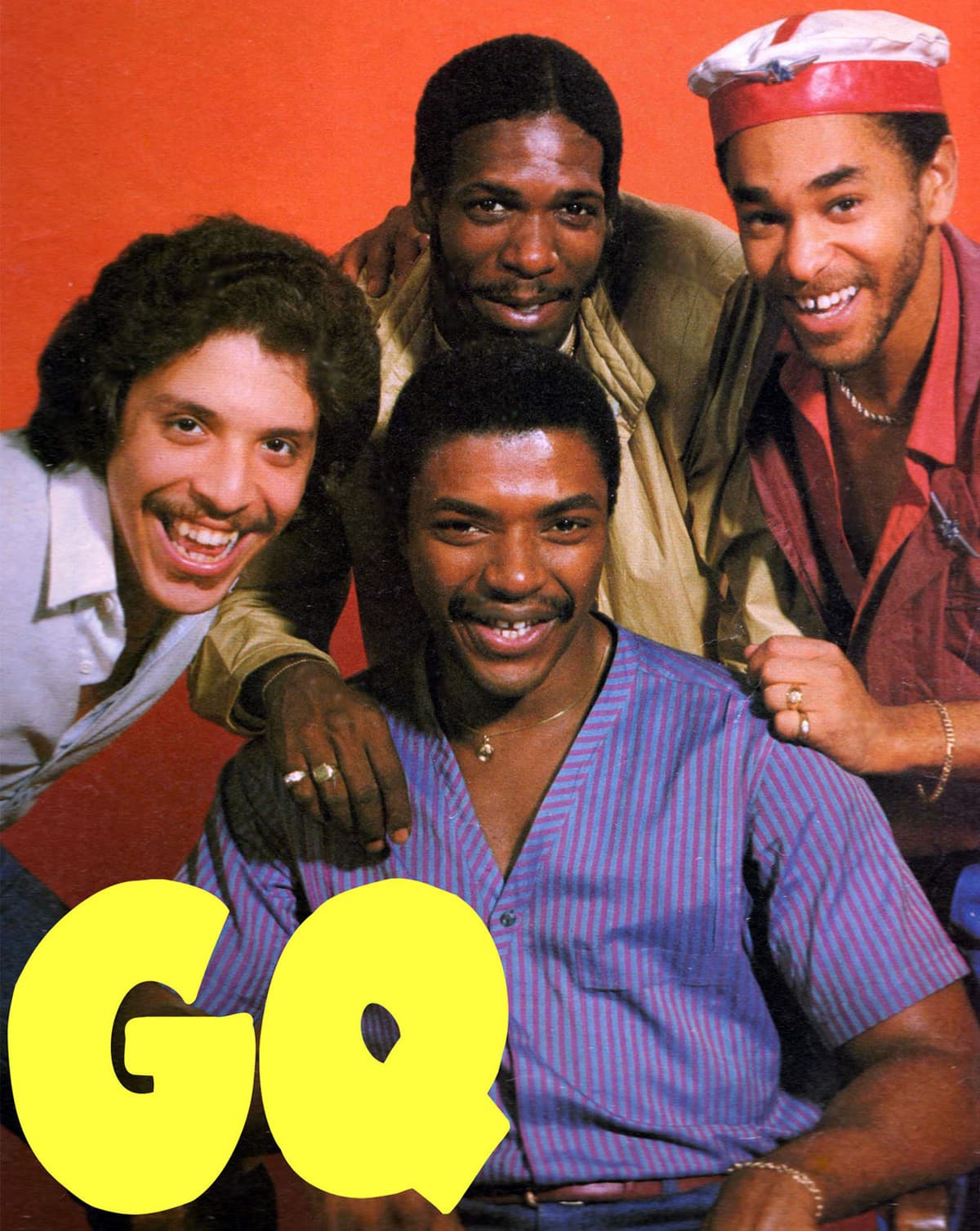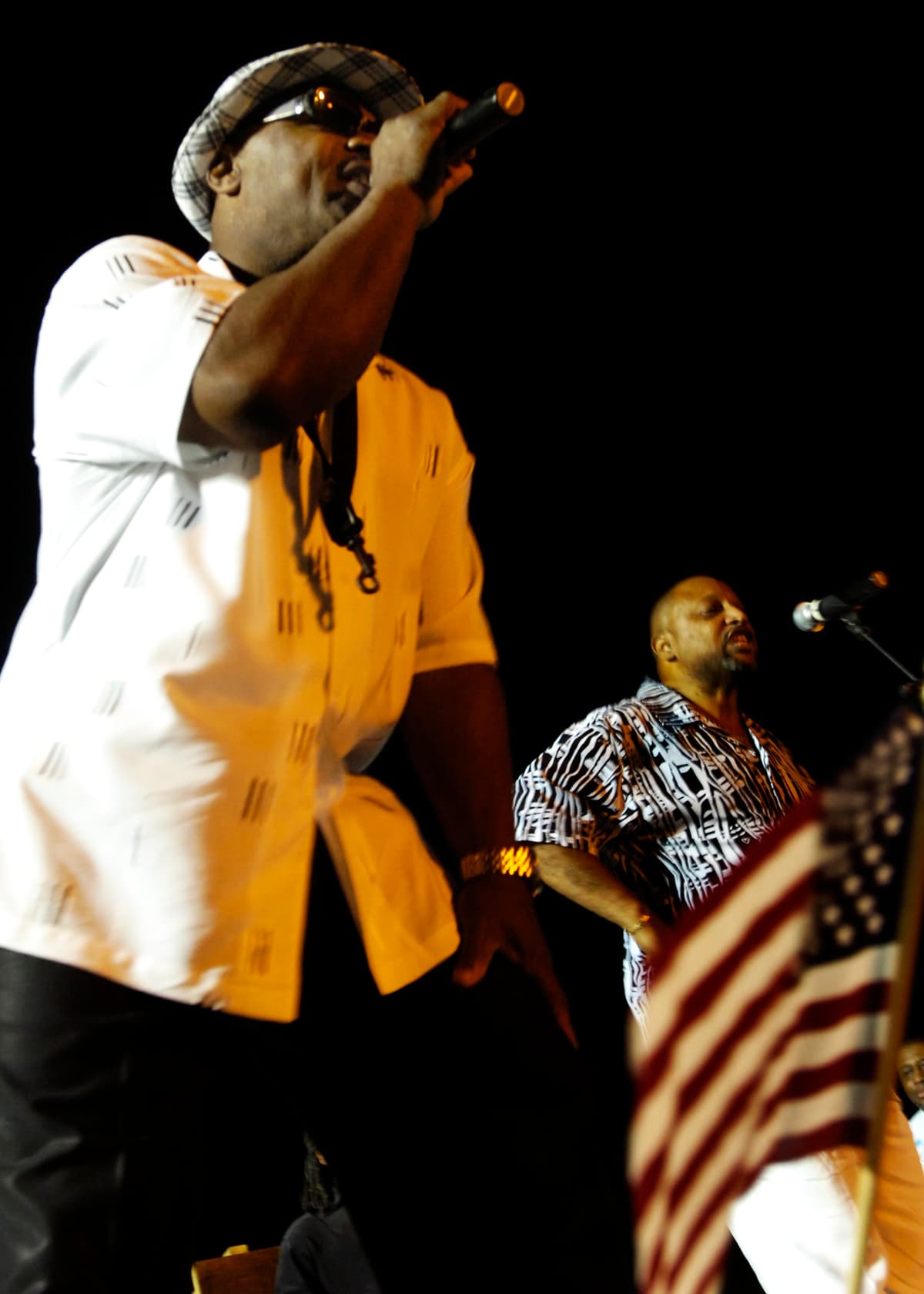
Dazz Band
High-voltage 80s funk with razor-sharp horn lines and elastic bass grooves. It is the sound of a neon-lit dance floor that refuses to quit.
High-voltage 80s funk with razor-sharp horn lines and elastic bass grooves. It is the sound of a neon-lit dance floor that refuses to quit.
The Dazz Band represents a pivotal bridge in the evolution of Ohio funk. Originally formed as Kinsman Dazz, the group's trajectory was shaped by their jazz fusion roots in Cleveland and a high-profile mentorship by Earth, Wind & Fire's Philip Bailey.
Their transition to Motown Records in 1980 coincided with a name change and a shift toward a more streamlined, commercially potent sound that integrated emerging synthesizer technology with traditional funk instrumentation. Their 1982 Grammy win for 'Let It Whip' solidified their status as leaders of the post-disco R&B era. Critically, they are respected for maintaining high musicianship standards within a pop-funk framework, often incorporating sophisticated chord changes and complex horn charts into club-ready hits. Their influence persists in the lineage of 'G-Funk' and modern retro-funk movements, cited by crate-diggers for their tight production and rhythmic ingenuity. The band's career arc reflects the broader 1980s industry shift from live-band soul to more electronic, production-heavy R&B, yet they remained anchored by the Wiley brothers' formidable rhythm section.
Shares slap bass thumb technique, funk, bass, disco (detail)
Shares funk, bass, disco, hand_played (signature)
Shares funk, disco, hand_played, joyful (signature)
Shares slap bass thumb technique, tight horn section stabs, bass, disco (detail)
Shares slap bass thumb technique, funk, bass, disco (detail)
Shares funk, disco, saxophone, falsetto (signature)
Shares slap bass thumb technique, funk, disco, falsetto (detail)
Shares funk, bass, disco, hand_played (signature)
Shares funk, bass, disco, hand_played (signature)
Cassette uses generative AI to enrich its catalog. How we use AI →