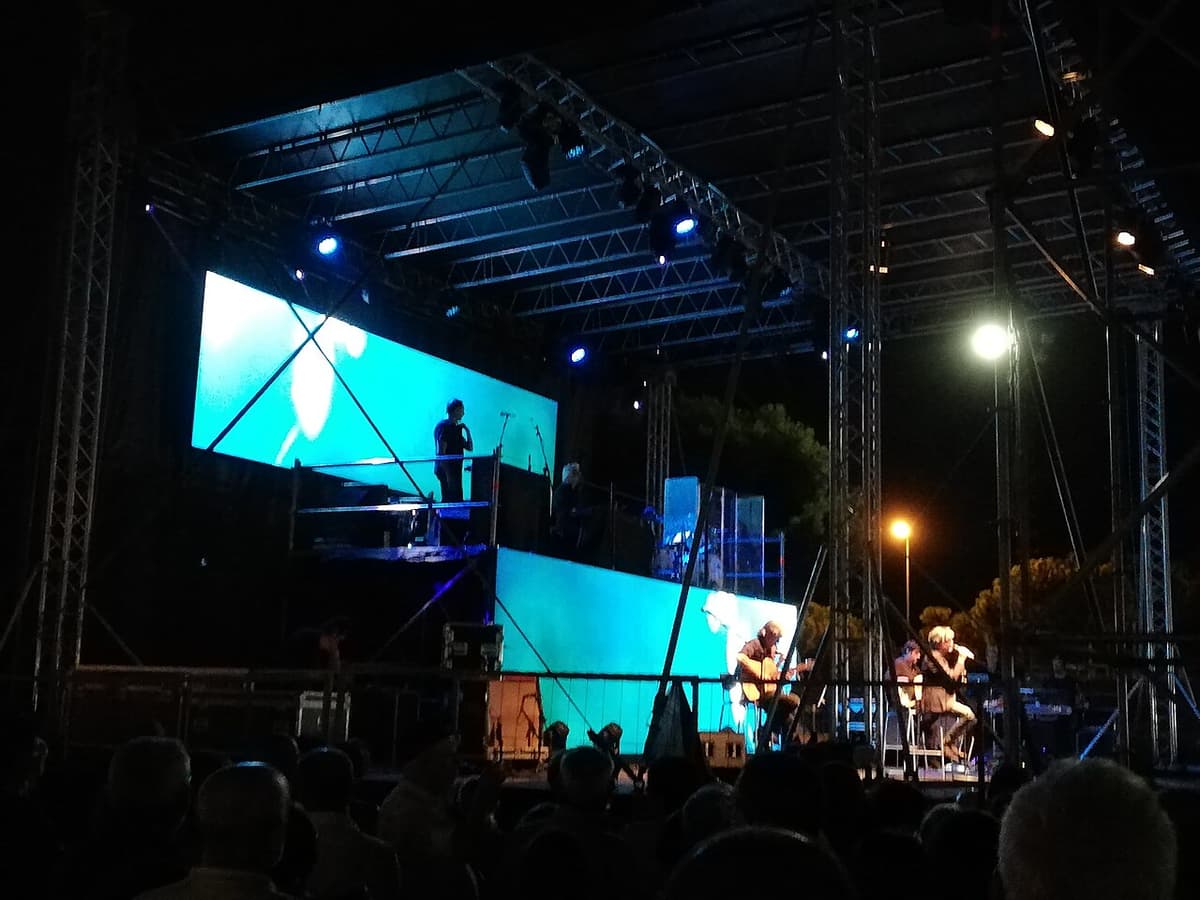
De Mono
Smooth Polish pop-rock defined by soulful saxophone and romantic baritone vocals. Sophisticated, nostalgic melodies for quiet evenings and long drives.
Smooth Polish pop-rock defined by soulful saxophone and romantic baritone vocals. Sophisticated, nostalgic melodies for quiet evenings and long drives.
De Mono is a foundational pillar of Polish pop-rock, formed in 1984 and reaching peak cultural saturation in the early 1990s. Their sound identity is built on a sophisticated blend of new wave textures, soft rock melodies, and a signature use of the saxophone that distinguished them from the more guitar-heavy rock acts of the era.
The band's evolution saw them move from early synth-influenced rock toward a more polished, adult contemporary sound that dominated Polish radio for decades. Historically, they are noted for their technical innovation, famously being among the first globally to experiment with USB-format releases. Critically, they are viewed as masters of the 'radio hit,' possessing a rare ability to craft songs that resonate across generational lines. Their influence is felt in the melodic sensibilities of modern Polish pop and the enduring popularity of the 'Złote Przeboje' (Golden Hits) radio format. They occupy a cultural space similar to Spandau Ballet or Sade in the UK, providing a 'classy' alternative to mainstream rock.
Shares soft rock, pop rock (subgenres); sentimental, nostalgic, romantic (moods)
Shares pop rock, soft rock, new wave (subgenres); nostalgic, romantic, bittersweet (moods)
Shares pop rock, soft rock, new wave (subgenres); studio_polished, analog_warmth, hi_fi (production style)
Shares sentimental, nostalgic, romantic (moods); studio_polished, analog_warmth, hi_fi (production style)
Shares studio_polished, analog_warmth, hi_fi (production style); pop rock, soft rock (subgenres)

Shares sentimental, nostalgic, romantic (moods); studio_polished, analog_warmth, hi_fi (production style)
Shares studio_polished, analog_warmth, hi_fi (production style); pop rock, soft rock (subgenres)
Shares soft rock, sentimental, pop rock, romantic (subgenre)
Cassette uses generative AI to enrich its catalog. How we use AI →