Debbie Deb
High-energy Miami freestyle with snapping 808s and breathy vocals. The definitive sound of 80s roller rinks and neon-lit block parties.
High-energy Miami freestyle with snapping 808s and breathy vocals. The definitive sound of 80s roller rinks and neon-lit block parties.
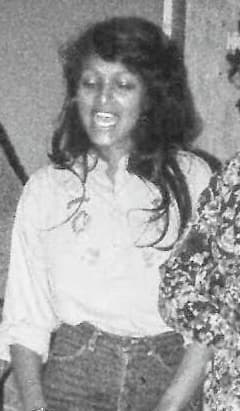
Debbie Deb (Deborah Claire Wesoff-Kowalski) is a foundational figure in the Freestyle and Miami Bass movements of the mid-1980s. Discovered at age 16 by producer Pretty Tony Butler, her debut single 'When I Hear Music' (1983) became a seminal text for electronic dance music, merging Kraftwerk-inspired electro rhythms with a pop sensibility.
Her follow-up, 'Lookout Weekend' (1984), solidified her status as a club staple. Despite her massive radio and club success, her career was marred by industry exploitation; due to body image concerns from her label, she was replaced by 'impostors' for public appearances and music videos, a precursor to the Milli Vanilli scandal. This led to a long hiatus where she worked as a hair stylist before a 1990s revival. Her sound is characterized by the TR-808 drum machine, heavy use of the cowbell, and syncopated synth lines. Critically, she is recognized for bridging the gap between underground electro and mainstream dance-pop, influencing the 'freestyle' genre's evolution into a cultural touchstone for Latin and urban communities in the US.
Shares joyful, energetic, playful (moods); dance-pop, synth-pop (subgenres)
Shares joyful, energetic, playful (moods); dance-pop, disco, synth-pop (subgenres)
Shares dance-pop, disco, synth-pop (subgenres); joyful, energetic, playful (moods)
Shares dance-pop, disco, synth-pop (subgenres); joyful, energetic, playful (moods)
Shares dance-pop, disco, synth-pop (subgenres); drum_machine, analog_warmth, minimalist (production style)
Shares joyful, energetic, playful (moods); dance-pop, disco, synth-pop (subgenres)
Shares disco, dance-pop, joyful, synth-pop (subgenre)
Cassette uses generative AI to enrich its catalog. How we use AI →