Die Firma
Melodic German hip-hop that pairs philosophical dualism with cinematic, sample-heavy production. Soulful boom bap for late-night reflection and urban drives.
Melodic German hip-hop that pairs philosophical dualism with cinematic, sample-heavy production. Soulful boom bap for late-night reflection and urban drives.
Die Firma offers a sophisticated, almost cinematic take on German hip-hop that feels deeply rooted in the golden era of the late 90s and early 2000s. Their sound is defined by Fader Gladiator's lush production, which frequently employs elegant piano melodies and orchestral samples to create a backdrop that is both gritty and refined. It is music that occupies the space between the street and the library, balancing tough rhythmic foundations with a genuine sense of musicality.
What truly distinguishes them is their commitment to the concept of dualism. They explore the friction between good and evil, war and peace, and love and loss without falling into clichés. While many of their contemporaries focused on either pure battle rap or radio-friendly pop, Die Firma carved out a niche for 'conscious' music that remained accessible. Their use of classical interpolations, most famously Pachelbel's Canon, gave their work a timeless, sentimental quality that resonated far beyond the core rap audience.
To understand their impact, start with the 2005 version of 'Die Eine'. It perfectly encapsulates their ability to turn a classical motif into a modern urban anthem. From there, dive into 'Spiel des Lebens / Spiel des Todes' to hear the raw, philosophical roots of the Cologne scene. It is the ideal starting point for anyone who appreciates rap that isn't afraid to be vulnerable or intellectual.
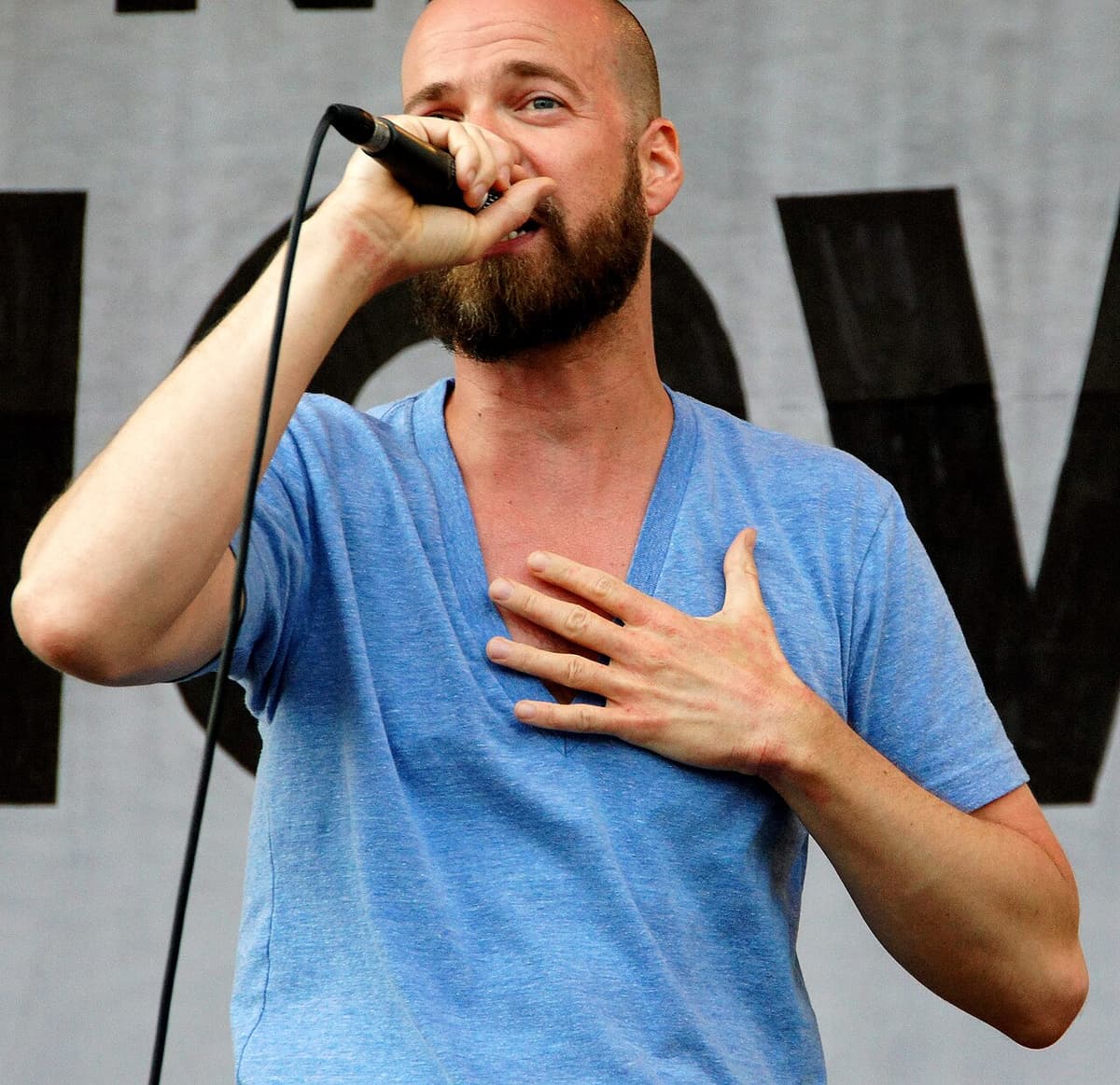
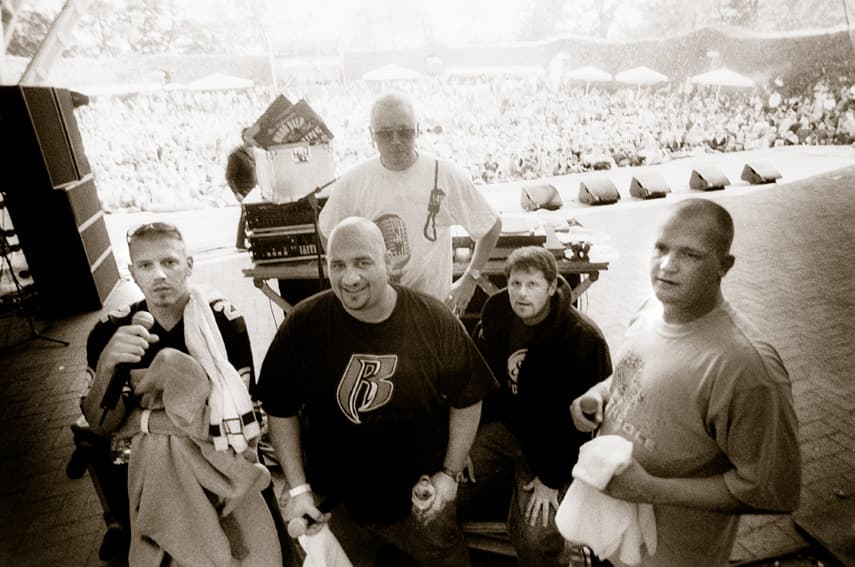
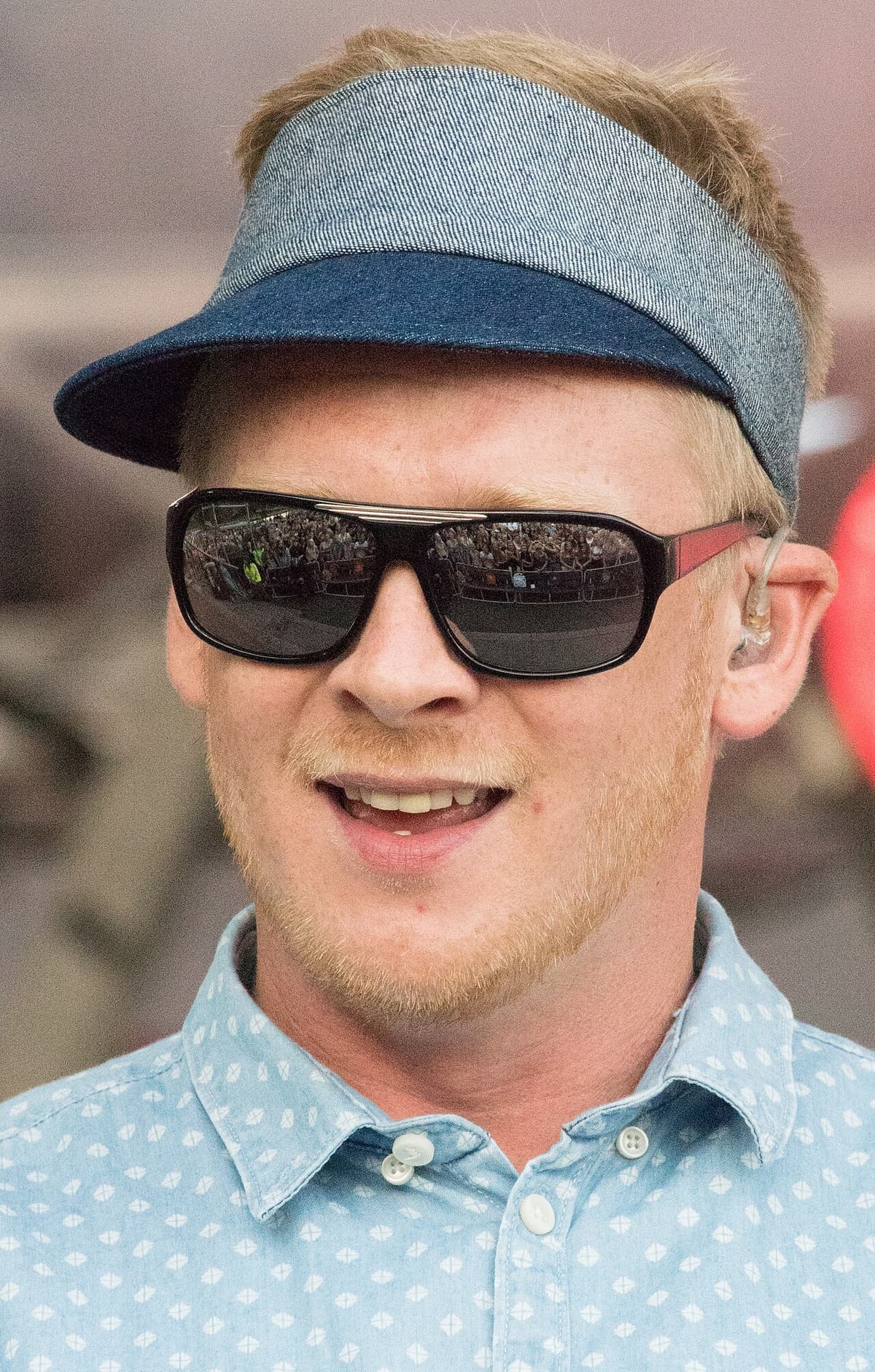
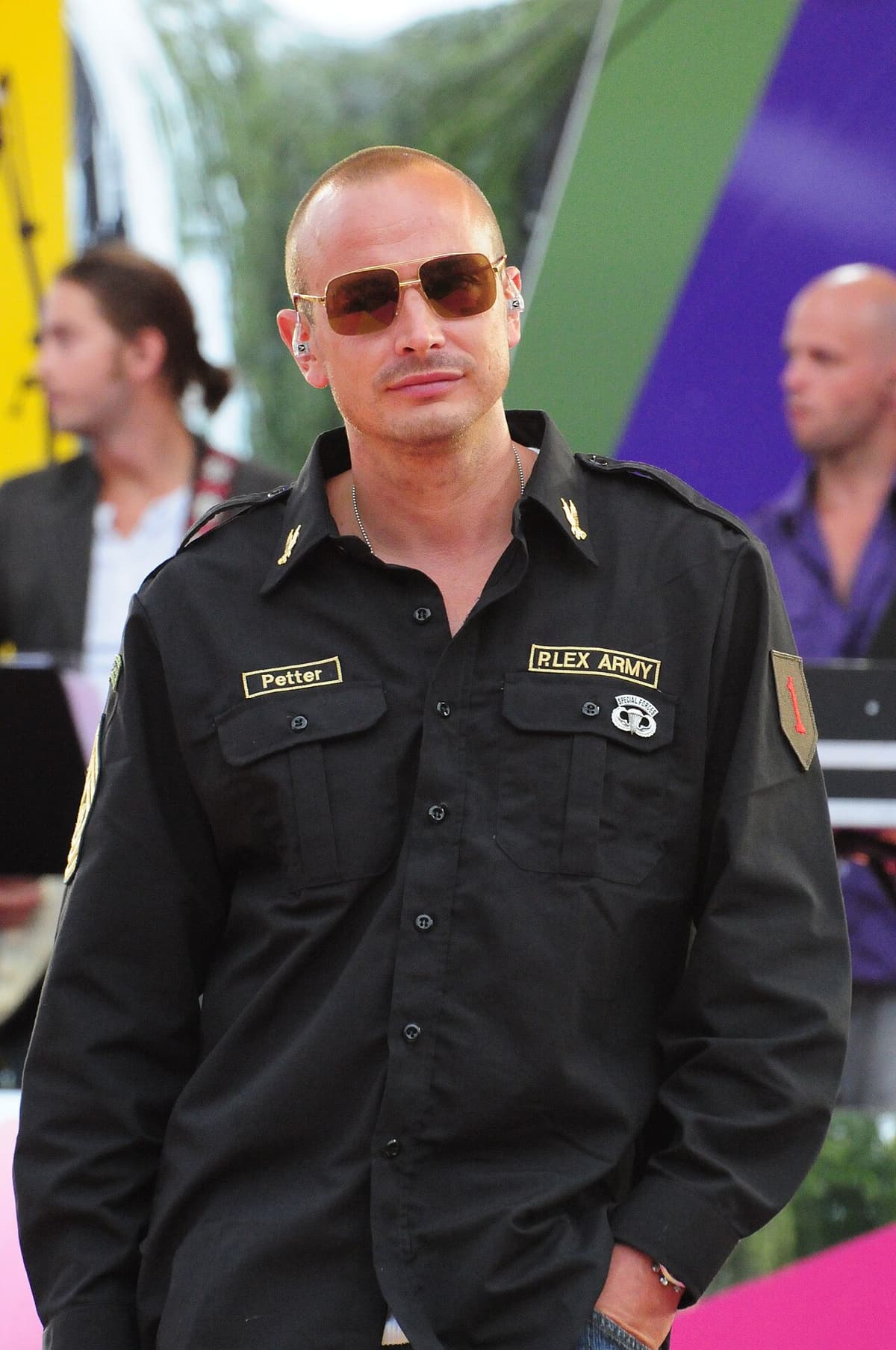
Die Firma is a German hip hop group formed in Cologne in 1996. It consists of Tatwaffe (Alexander Trabhoven), Def Benski Obiwahn (Ben Hartung), and Fader Gladiator (Daniel Sluga). To date, they have released six albums. Their second album sold over 80.000 copies in Germany and reached number 8 on the German album charts. They are best known for their 2005 hit "Die Eine" ("The One"), which peaked at number 2 on the German single charts. The band refers to its own style as "lyrics about beats that represent good and evil". In 2016, Tatwaffe released his second solo album, Sternenklar ("Starlit"), while Fader Gladiator worked with other artists like Lumaraa and Pillath.
Shares boom bap, conscious hip-hop, pop rap (subgenres); sample based, studio polished, analog warmth (production style)
Shares boom bap, conscious hip-hop, pop rap (subgenres); sample based, orchestral arrangement, analog warmth (production style)
Shares boom bap, conscious hip-hop, pop rap (subgenres); sample based, analog warmth, studio polished (production style)
Shares boom bap, conscious hip-hop, pop rap (subgenres); sample based, orchestral arrangement, analog warmth (production style)
Shares boom bap, conscious hip-hop, pop rap (subgenres); rap, baritone, harmonized (vocal style)
Shares boom bap, conscious hip-hop, pop rap (subgenres); sample based, orchestral arrangement, analog warmth (production style)
Shares sample based, orchestral arrangement, analog warmth (production style); boom bap, conscious hip-hop (subgenres)
Cassette uses generative AI to enrich its catalog. How we use AI →