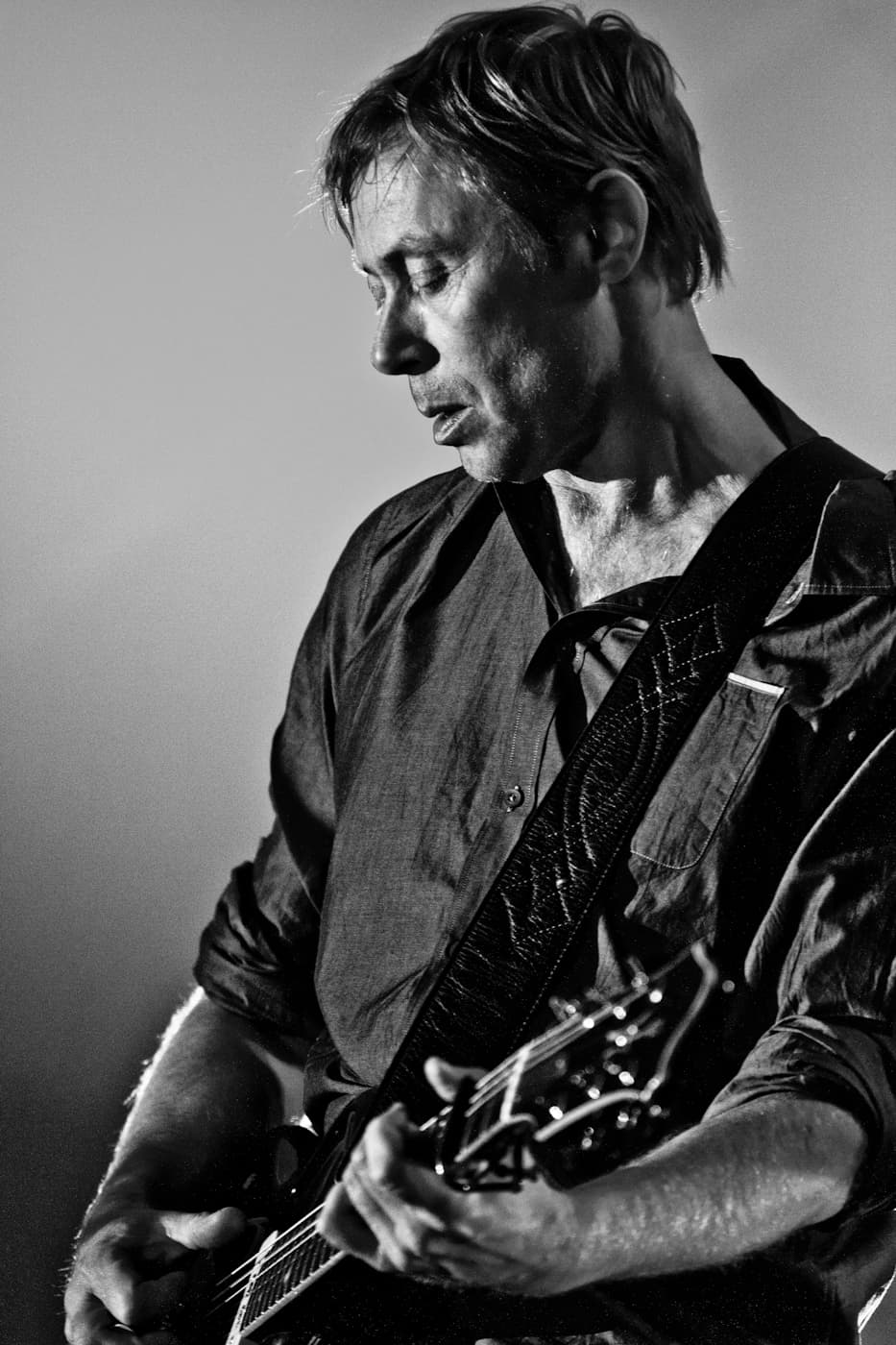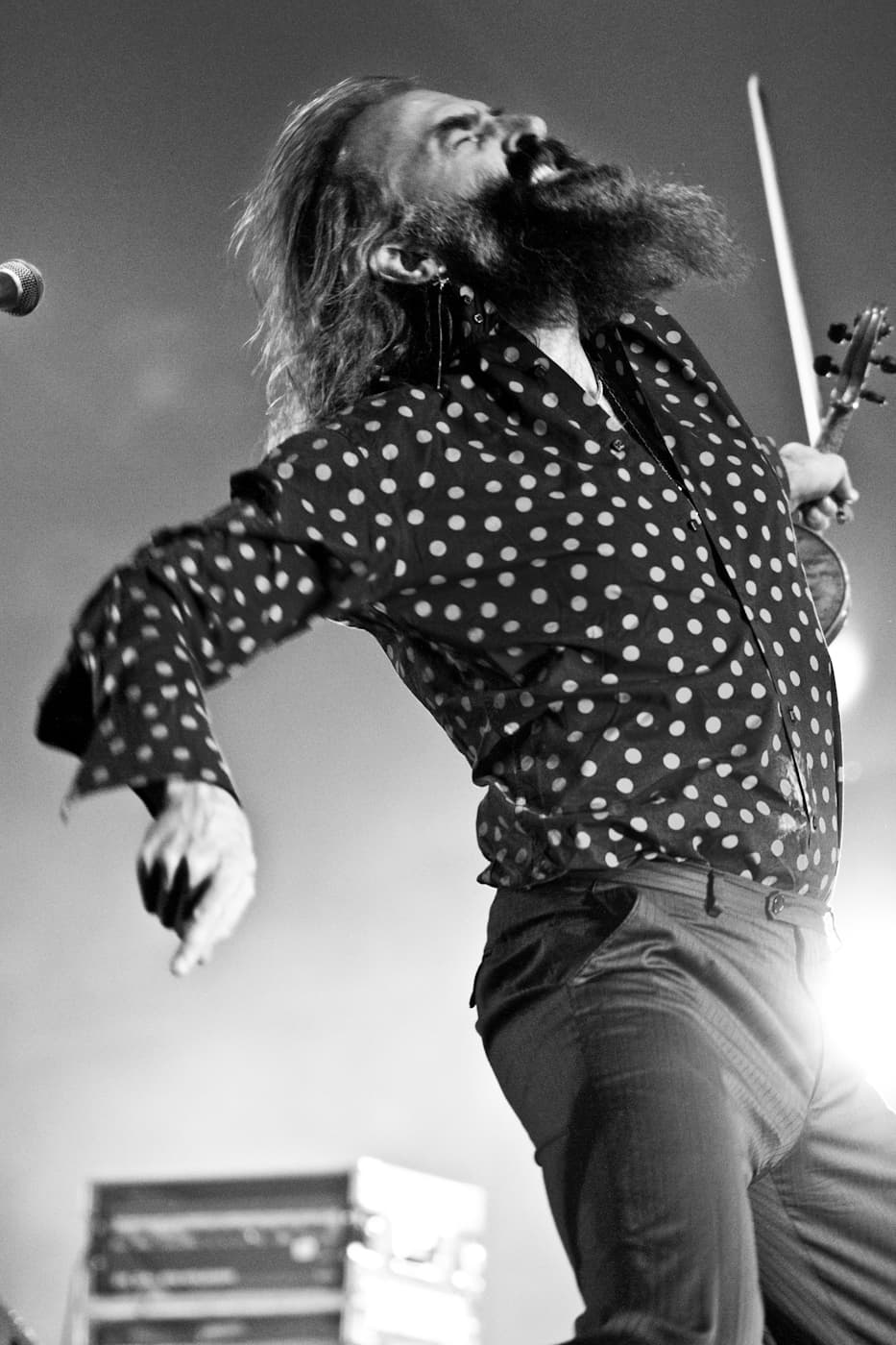
Dirty Three
Weather-beaten instrumental narratives led by a weeping violin and restless, jazz-inflected drums. It sounds like a conversation between three people who know each other's secrets.
Weather-beaten instrumental narratives led by a weeping violin and restless, jazz-inflected drums. It sounds like a conversation between three people who know each other's secrets.
Dirty Three are an Australian instrumental trio formed in Melbourne in 1992, consisting of Warren Ellis, Mick Turner, and Jim White. They occupy a unique space in the post-rock canon, eschewing the genre's typical electronic elements and 'loud-quiet-loud' formulas in favor of a raw, improvisational approach rooted in folk, jazz, and blues.
The band's identity is defined by the interplay between Ellis's emotive, often distorted violin and White's highly expressive, non-linear drumming. Their mid-90s output, particularly 'Horse Stories' and 'Ocean Songs', established them as critical darlings, with the latter frequently cited as one of the greatest Australian albums of all time. While Ellis became widely known for his later work with Nick Cave and the Bad Seeds, Dirty Three remains his most visceral outlet. Their influence is felt across the 'chamber rock' and 'slowcore' movements, bridging the gap between the avant-garde and traditional songcraft. Critically, they are praised for their ability to convey complex narrative arcs without lyrics, relying instead on textural dynamics and a shared, almost psychic musical intuition.
Shares post-rock, art rock, slowcore (subgenres); melancholic, wistful, haunting (moods)
Shares post-rock, art rock (subgenres); instrumental_only (vocal style)
Shares post-rock, art rock (subgenres); instrumental_only (vocal style)
Shares instrumental_only (vocal style); post-rock (subgenres)
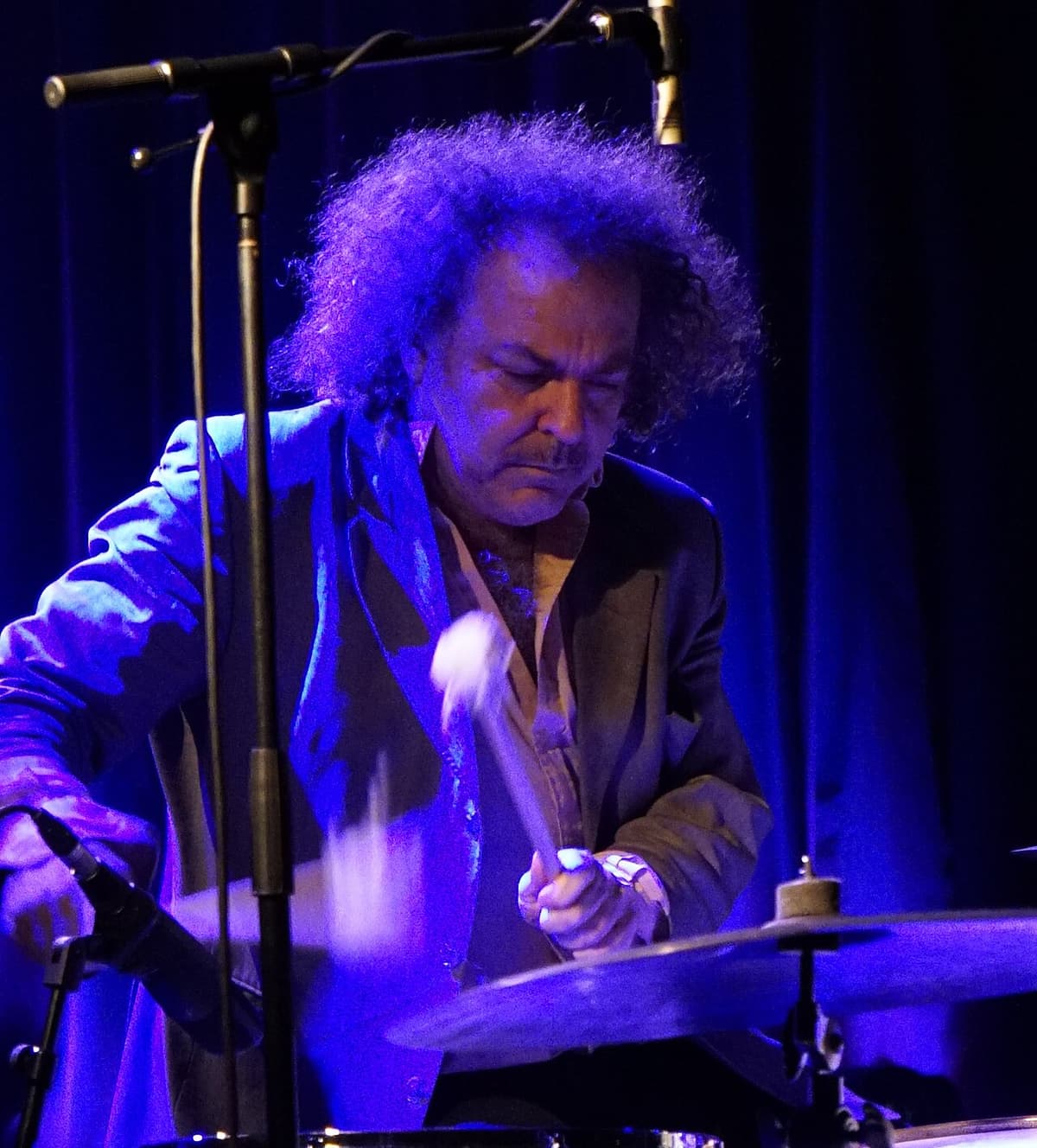
Shares live_recording, analog_warmth, sparse_bare (production style); instrumental_only (vocal style)
Shares post-rock, art rock (subgenres); instrumental_only (vocal style)
Shares post-rock, slowcore (subgenres); instrumental_only (vocal style)
Shares instrumental_only (vocal style); post-rock, art rock (subgenres)
Shares post-rock (subgenres); instrumental_only (vocal style)
Cassette uses generative AI to enrich its catalog. How we use AI →