Ea is a mysterious entity within the funeral doom metal scene, widely rumored to be based in Russia despite their Polish label associations. Since their debut in 2006, they have maintained a strict anonymity that mirrors the impenetrable nature of their music.
Their sound identity is defined by the intersection of extreme doom metal and symphonic ambient music. Unlike many of their peers who focus on personal grief, Ea's conceptual framework is rooted in the sacral verses of ancient civilizations, specifically Sumerian and Babylonian mythos. This is reflected in their use of dead languages like Akkadian for lyrical content, which functions more as a ritualistic phonetic texture than a narrative device. Their career arc shows a steady refinement of this 'monolithic' sound, moving from the raw textures of 'Ea Taesse' to the more lush, almost cinematic arrangements found on 'A Etilla'. They occupy a unique space in the 'Solitude Productions' roster, often cited alongside acts like Evoken and Mournful Congregation for their ability to maintain emotional resonance within a strictly minimalist and slow-motion musical framework. Critical consensus highlights their mastery of atmosphere and their refusal to adhere to standard song structures, often opting for single, long-form compositions that span entire albums.
Shares funeral doom metal, doom metal, somber, cathedral (signature)

Shares funeral doom metal, doom metal, somber, cathedral (signature)
Shares funeral doom metal, doom metal, somber, cathedral (signature)
Shares funeral doom metal, doom metal, somber, cathedral (signature)
Shares doom metal, choir/choral, somber, haunting (subgenre)
Shares doom metal, reverb_heavy, somber, haunting (subgenre)
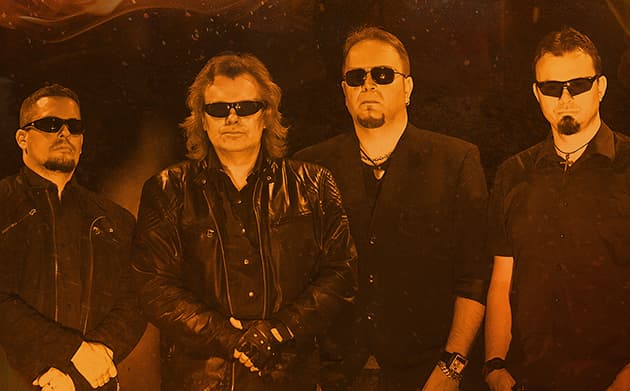
Shares doom metal, somber, cathedral, haunting (subgenre)
Shares funeral doom metal, doom metal, somber, cathedral (signature)
Cassette uses generative AI to enrich its catalog. How we use AI →