Emptyset sounds like the internal organs of a massive, rusting machine. It is music built from the friction of electricity and the resonance of concrete. Instead of traditional melodies, you get rhythmic pulses that feel like they are trying to push through the speakers, creating a physical sensation of pressure and release. It is a sonic experience that prioritizes the texture of distortion and the weight of sub-bass over conventional song structures.
What makes them truly distinctive is their obsession with space and physics. They often record in specific architectural sites, like decommissioned power stations or gothic mansions, allowing the natural echoes and vibrations of the building to become part of the instrument. This creates a sense of 'site-specific techno' where the equipment and the environment are in a constant, violent dialogue. It is minimalist in composition but maximalist in its raw, abrasive impact.
Start with the album Borders if you want to hear their most refined take on rhythmic structure, or Demiurge for a masterclass in how noise can be sculpted into something deeply compelling. It is best experienced at high volume on a system that can handle extreme low-end frequencies, allowing the music to move from your ears to your chest.
Emptyset is a Bristol-based production project, formed in 2005 by James Ginzburg and Paul Purgas. Ginzburg and Purgas say that by working across performance, installation and the moving image they are examining the physical properties of sound, the legacy of analogue media reflecting upon structural/materialist art production and the perceptual boundaries between noise and music. Emptyset has produced installations for Tate Britain and the Architecture Foundation in London, and presented live performances at Arnolfini, Spike Island Artspace, Kunsthalle Zürich, Sonic Acts XIV and Club transmediale (CTM) festival. Writing in the magazine Fact, Josh Hall stated that the duo "are preoccupied with interstitial spaces: the points at which distortion takes on its own volition; at which form begins to dictate content; at which techno yields to the equipment with which it is made." Ginzburg and Purgas began Emptyset in 2005 to explore their shared interests in rhythmic music and bass. Both have backgrounds within Bristol's club music scene: Ginzburg runs Multiverse, a studio complex and collective of record labels that initiated (among others) Pinch's Tectonic and Subtext, which has released many of Emptyset's earlier releases. He also produces club tracks as 'Ginz'. Purgas, who now lives in London, has a history in art and sound art curation, a background in techno, and curates exploratory electronic music events under the banner 'We Can Elude Control'.


Shares intense, brooding, anxious (moods); noise textured, analog warmth, field recordings (production style)
Shares intense, brooding, anxious (moods); noise textured, minimalist, analog warmth (production style)
Shares intense, brooding, anxious (moods); industrial, ambient techno, noise rock (subgenres)
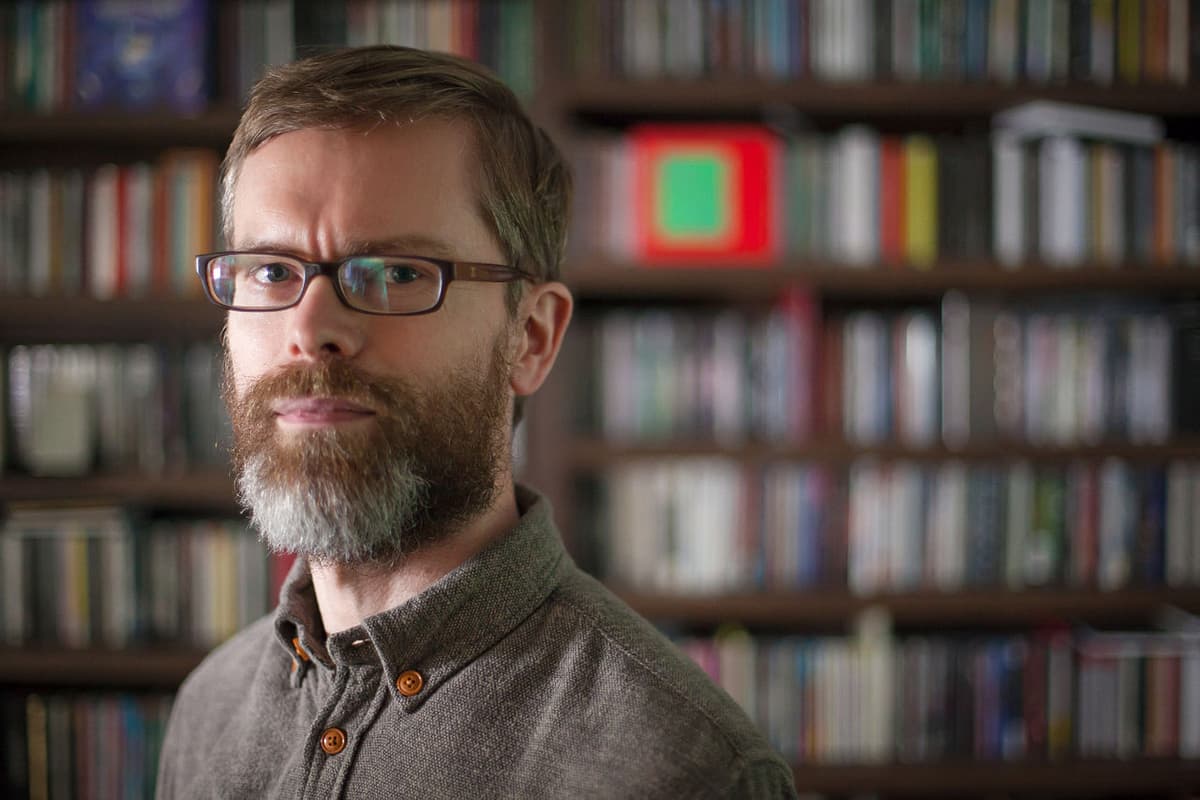
Shares minimalist, noise textured, analog warmth (production style); intense, brooding, mysterious (moods)
Shares intense, brooding, anxious (moods); noise textured, analog warmth, minimalist (production style)
Shares intense, brooding, anxious (moods); noise textured, analog warmth, minimalist (production style)
Shares industrial, ambient techno, glitch (subgenres); intense, brooding, mysterious (moods)
Shares intense, brooding, anxious (moods); noise textured, analog warmth, minimalist (production style)
Shares industrial, ambient techno, glitch (subgenres); intense, brooding, mysterious (moods)
Shares noise textured, minimalist, compressed loud (production style); absent (vocal style)
Shares metallic, minimal techno, modular synth, anxious (signature)
Shares metallic, noise rock, modular synth, industrial (signature)
Cassette uses generative AI to enrich its catalog. How we use AI →