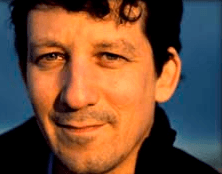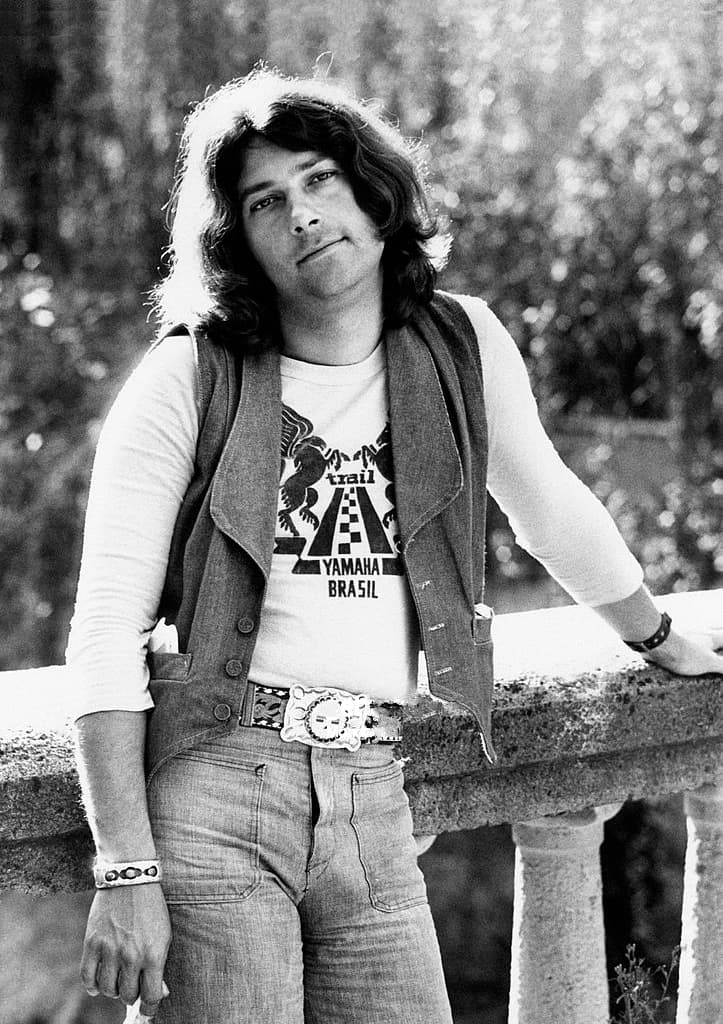
Eumir Deodato
Space-age jazz fusion that turns classical themes into high-octane funk. Lush, orchestral, and undeniably cool, it is the sound of a 1970s penthouse party.
Space-age jazz fusion that turns classical themes into high-octane funk. Lush, orchestral, and undeniably cool, it is the sound of a 1970s penthouse party.
Deodato sounds like the intersection of a symphony hall and a discotheque. His music is defined by a polished, high-fidelity sheen that was years ahead of its time, blending the intricate harmonic language of bossa nova with the driving, muscular rhythms of American funk. It is expansive and cinematic, often featuring soaring brass sections and shimmering electric piano leads that feel both futuristic and deeply rooted in jazz tradition.
What makes him truly distinctive is his ability to deconstruct classical masterpieces and rebuild them as groove-heavy anthems. He treats the orchestra not as a static entity, but as a dynamic funk machine. His arrangements are characterized by their clarity and precision; every percussion hit and horn swell is placed with surgical intent to maximize the 'cool' factor without ever losing the soulful Brazilian swing that informs his phrasing.
Start with the album Prelude to hear his legendary reimagining of Strauss, which remains the gold standard for crossover jazz. From there, move to Deodato 2 for a harder-edged, more experimental take on the same fusion formula. If you want to hear his earlier, more traditional Brazilian roots, Idéias offers a beautiful glimpse into his foundational years as a bossa nova architect.
Eumir Deodato de Almeida (Brazilian Portuguese: [ẽwˈmiʁ deoˈdatu]; born 22 June 1942) is a Brazilian pianist, composer, arranger and record producer, primarily in jazz but who has been known for his eclectic melding of genres, such as pop, rock, disco, rhythm and blues, classical, Latin and bossa nova. Deodato has arranged and produced more than 500 records for acts such as Frank Sinatra, Roberta Flack, Björk and Christophe, as well as produced Kool & the Gang's hits "Celebration", "Ladies' Night" and "Too Hot". Deodato was nominated for three Grammy Awards and won the Grammy Award for Best Pop Instrumental Performance in 1974 for "Also Sprach Zarathustra (2001)." The song peaked at number 2 on the weekly Billboard Hot 100 in March 1973. It reached number 3 in Canada and number 7 on the British charts.
Shares jazz fusion, smooth jazz, funk, nu jazz (signature)
Shares jazz fusion, smooth jazz, funk, saxophone (signature)
Shares jazz fusion, smooth jazz, keys/synth, funk (signature)
Shares jazz fusion, smooth jazz, funk, nu jazz (signature)
Shares jazz fusion, keys/synth, funk, saxophone (signature)
Cassette uses generative AI to enrich its catalog. How we use AI →