Fórn is a Boston-based extreme metal outfit that has become a cornerstone of the modern American sludge and doom scene since their formation in 2012. Their sound identity is defined by a 'funeral sludge' aesthetic, which merges the glacial pacing of funeral doom with the abrasive, high-gain grit of sludge metal.
Influenced by foundational acts like Grief, Burning Witch, and Asunder, Fórn has evolved to incorporate more sophisticated atmospheric elements, including subtle electronic textures and blackened vocal techniques. Their career arc is marked by a consistent dedication to sonic weight, moving from the raw intensity of their self-titled debut to the more expansive and polished 'Rites of Despair.' Critically, they are praised for their ability to maintain emotional resonance within a genre often criticized for being purely technical or repetitive. They occupy a cultural space alongside peers like Thou and Bell Witch, bridging the gap between traditional doom and the more experimental, 'post' metal movements. For collectors and audiophiles, their work is notable for its high-fidelity approach to 'lo-fi' textures, utilizing studio techniques that emphasize the physical vibration and decay of the instruments.


Shares crushing rhythmic weight, cavernous vocal reverb, sludge metal, fog (detail)
Shares sludge metal, despairing, post-metal, doom metal (signature)
Shares crushing rhythmic weight, sludge metal, despairing, post-metal (detail)
Shares sludge metal, gritty, post-metal, doom metal (signature)
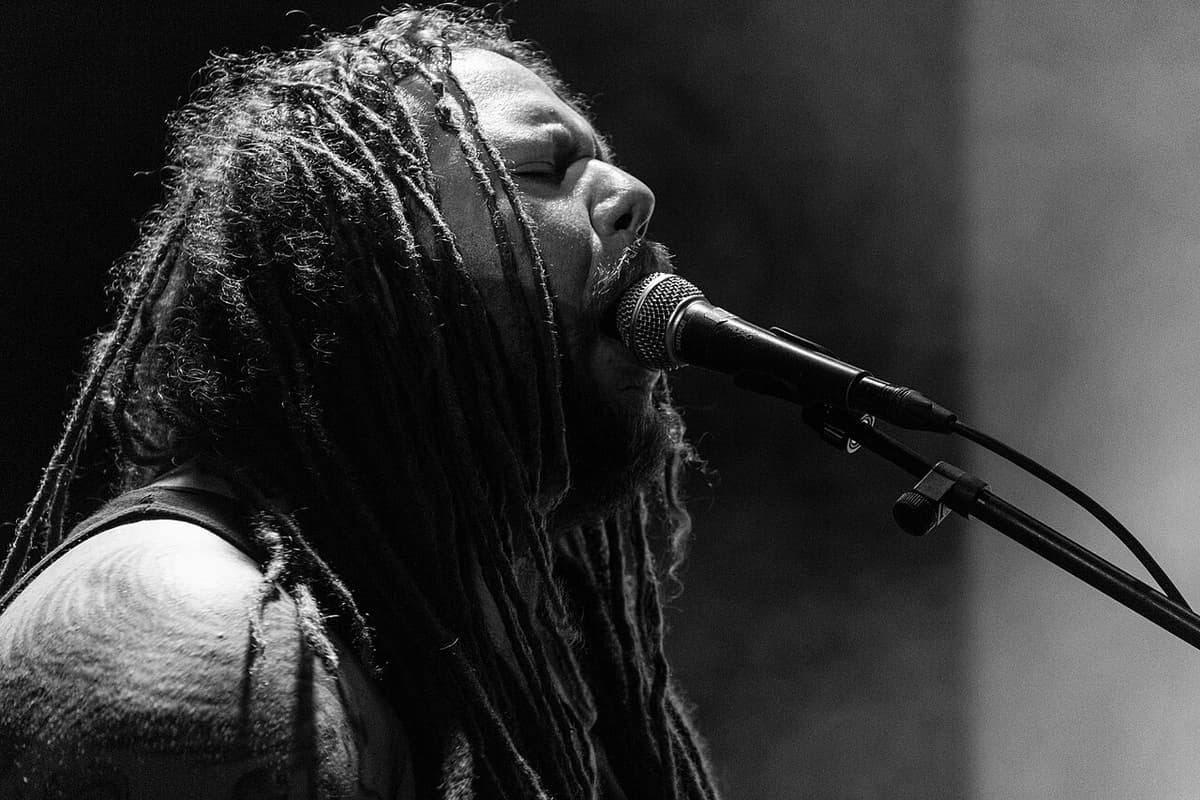
Shares sludge metal, despairing, screaming, post-metal (signature)
Shares sludge metal, despairing, screaming, doom metal (signature)
Shares sludge metal, fog, gritty, post-metal (signature)
Shares sludge metal, post-metal, doom metal, somber (signature)
Shares sludge metal, despairing, gritty, post-metal (signature)
Cassette uses generative AI to enrich its catalog. How we use AI →