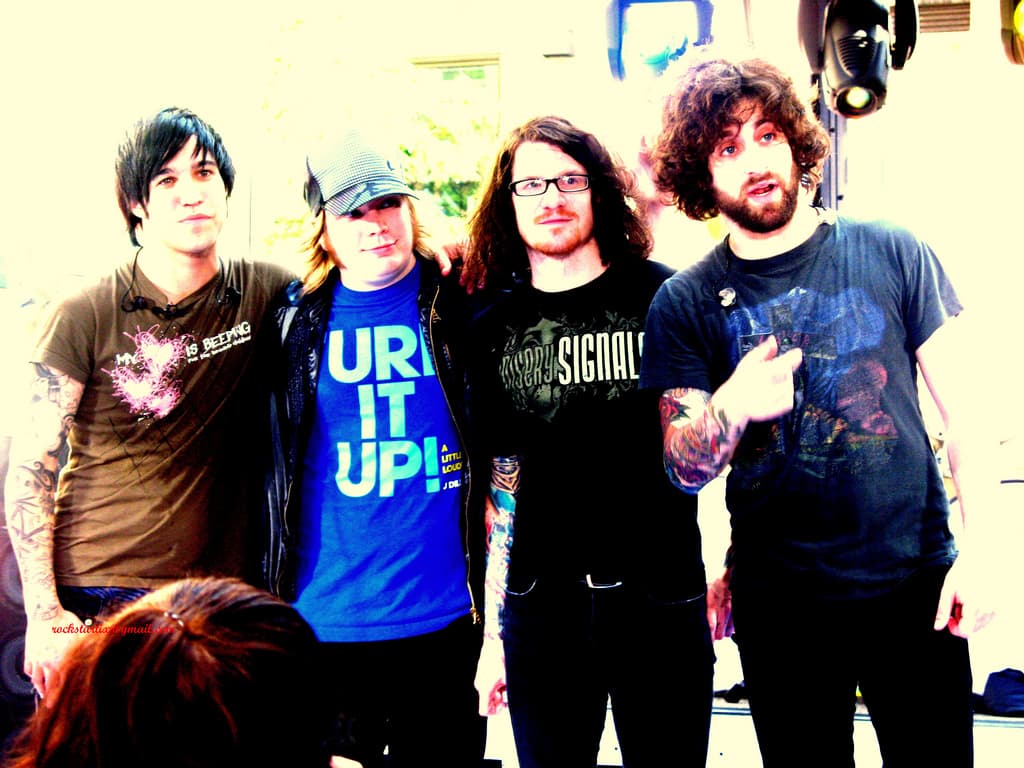
Fall Out Boy
High-octane pop-punk fueled by acrobatic soul vocals and literate, self-aware lyrics. It is the sound of suburban angst transformed into a massive stadium spectacle.
High-octane pop-punk fueled by acrobatic soul vocals and literate, self-aware lyrics. It is the sound of suburban angst transformed into a massive stadium spectacle.
Formed in 2001 as a pop-punk side project by Chicago hardcore scene veterans Pete Wentz and Joe Trohman, Fall Out Boy quickly evolved into a definitive arena-rock force.
Anchored by the songwriting partnership of bassist and lyricist Wentz and vocalist-composer Patrick Stump, alongside guitarist Trohman and drummer Andy Hurley, the suburban Illinois quartet translated the frantic energy of underground punk into massive, hook-heavy pop. Their early independent momentum soon gave way to major-label stardom, establishing them as one of the most commercially resilient rock bands of the 2000s and beyond.

A frantic, mid-heavy guitar crunch and snapping wooden drums propel this debut, capturing a desperate suburban claustrophobia through hyper-literate spite. By pairing bassist Pete Wentz's dense, diary-style lyricism with Patrick Stump's surprisingly soulful, R&B-inflected vocal delivery, the band bypasses typical genre whining for something far more emotionally exhausting. The resulting ten-track rush feels dangerously close to falling apart, yet it is anchored by a sharp, melodic precision.

A technicolor explosion of anxiety and massive hooks defines this major-label debut, capturing a band documenting the panic of impending stardom in real-time. The music is incredibly dense, packing layers of distorted guitars into arena-ready production that still leaves room for acrobatic vocal runs and hyper-literate, self-deprecating wit. It is a record of extreme polish and extreme emotion, where every suburban heartbreak is elevated to a cinematic event.

A theatrical, brass-accented grandiosity sweeps through this third outing, as the group trades suburban isolation for the glaring spotlight of global celebrity. The music expands into a maximalist playground where Stevie Wonder-style vocal elasticity collides with heavy, distorted guitar walls and lush orchestral sweeps. Lyrically, the focus turns inward and defensive, transforming the anxieties of sudden fame into a series of sharp, self-referential anthems that challenge both critics and fans over polished, expensive-sounding grooves.
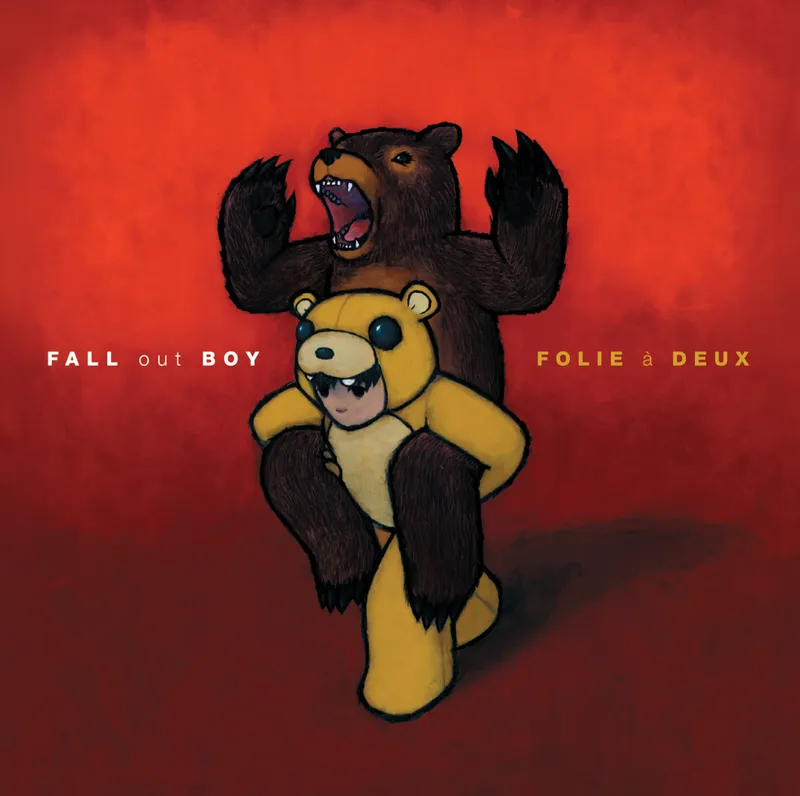
It's what happens when the biggest emo band in the world decides to make a soul-infused stadium rock opera.
A maximalist collision of blue-eyed soul, baroque pop, and stadium rock. Dense, literate, and fiercely cynical about the machinery of fame.

A triumphant, high-definition wall of sound explodes from this post-hiatus comeback, discarding any remaining basement-show grit for the sheer scale of a cinematic blockbuster. The production swaps chugging guitars for massive orchestral strings, booming electronic beats, and a glossy synth-pop sheen that transforms their signature anxiety into pure stadium-shaking defiance. Free from the constraints of their old scene, the band leans heavily into a polished, R&B-influenced vocal swagger designed to fill arenas.
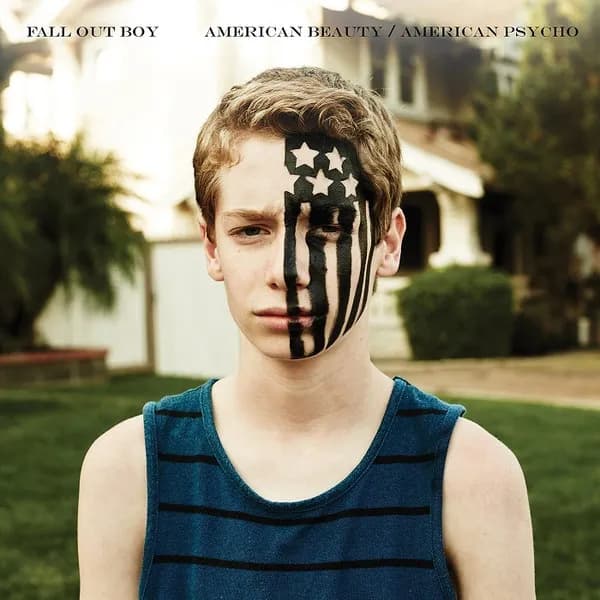
It's like a rock concert crashed into a Top 40 radio station and everyone decided to stay for the party.
A maximalist collision of arena rock and sample-heavy pop. Huge hooks, cinematic production, and Patrick Stump's most acrobatic vocal performances to date.
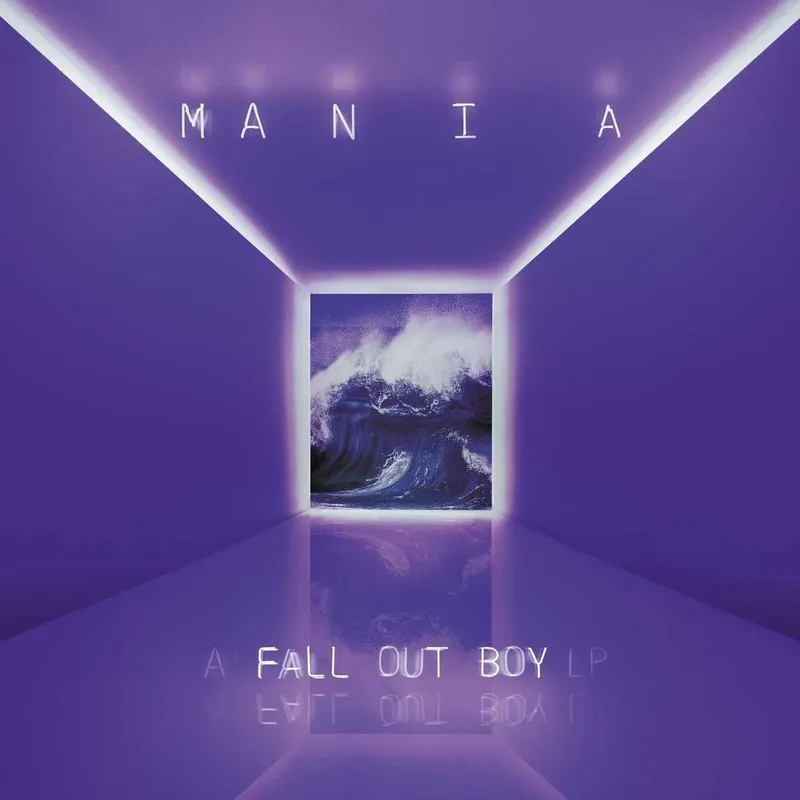
It's Fall Out Boy if they were raised on EDM and neon lights instead of basement punk shows.
A hyper-saturated collision of stadium rock and glitchy electronic pop. Manic, polished, and relentlessly modern.
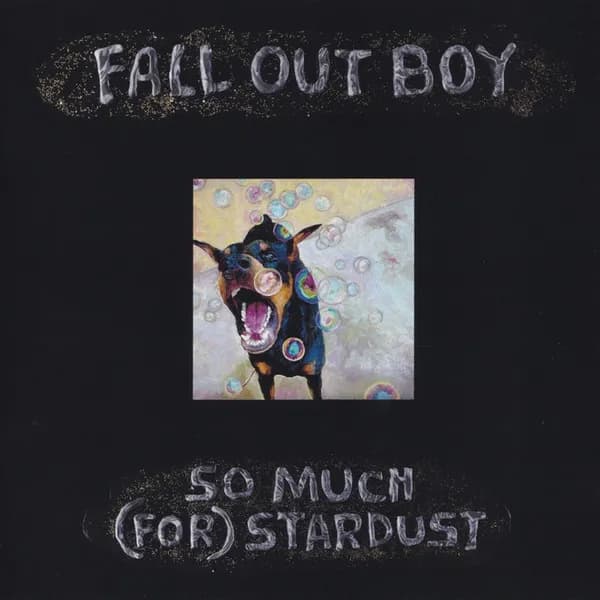
It's the big, dramatic, guitar-heavy Fall Out Boy record you've been waiting for since 2008.
Orchestral grandiosity meets heavy guitar riffs. A cinematic return to form that balances soul-infused vocals with existential, stadium-sized angst.
Fall Out Boy remains a towering, hyper-literate engine of modern rock, having successfully navigated the transition from suburban anxiety to stadium-scale permanence.
While their late-2010s experiments with electronic pop divided long-time listeners, their recent work demonstrates a deliberate return to heavy, guitar-driven theatricality. Now operating as elder statesmen of a scene they helped reshape, the band continues to tour globally, balancing their maximalist pop instincts with the sharp, self-deprecating bite that first defined them.
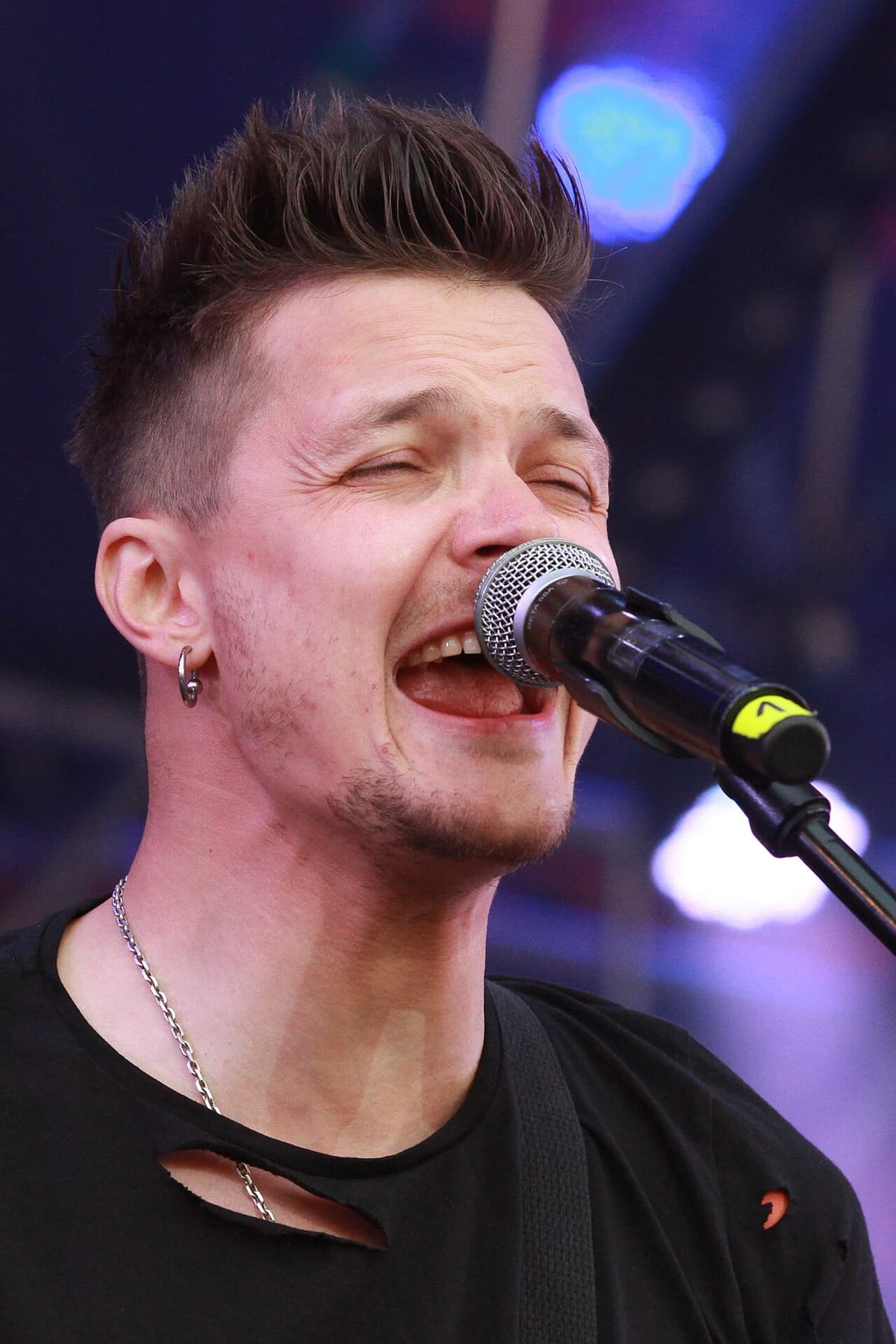
Shares punk rock, alternative rock, pop rock (subgenres); basement_show, festival, urban_night (atmosphere)
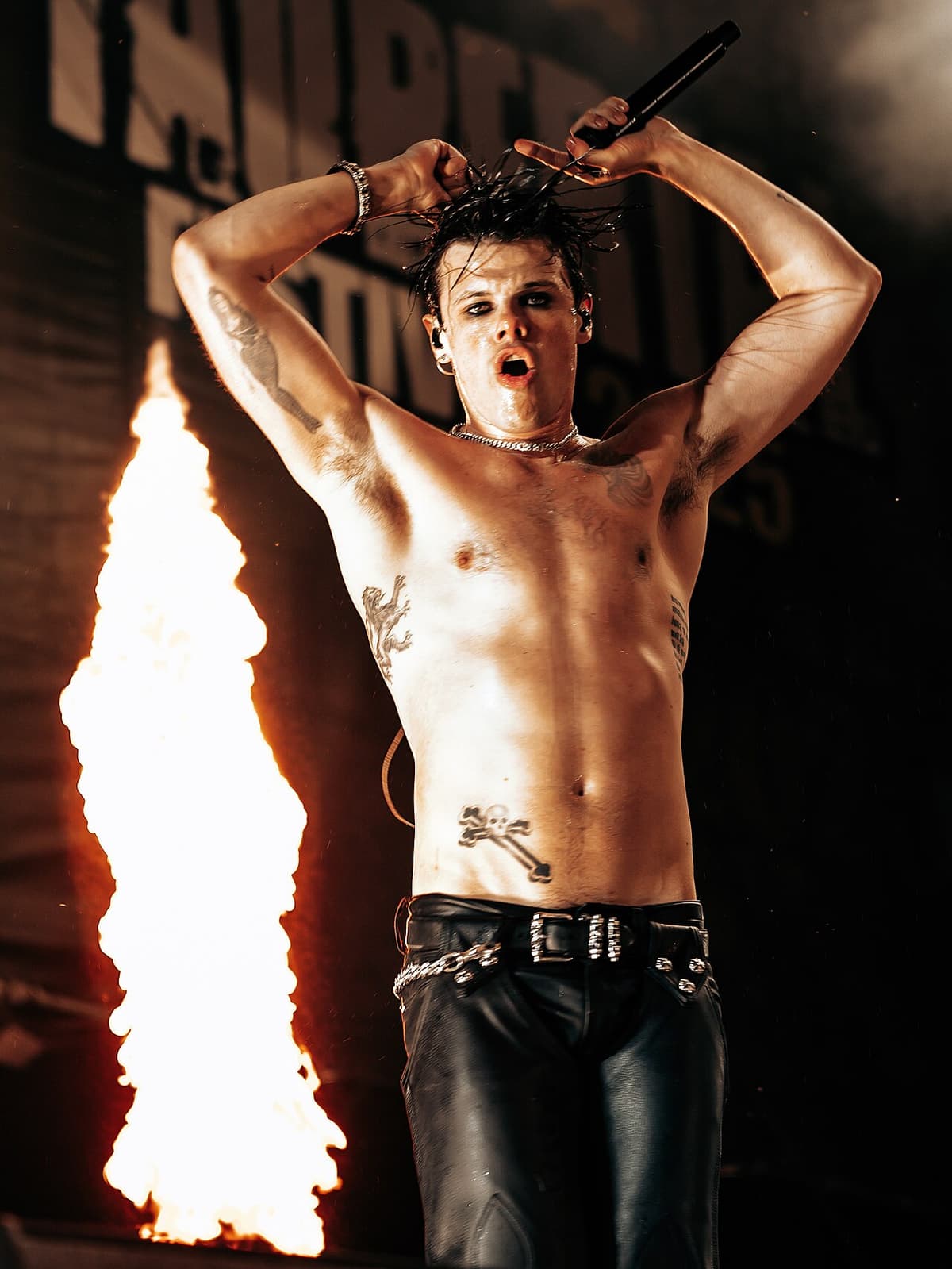
Shares punk rock, alternative rock, pop rock (subgenres); maximalist, studio_polished, layered_dense (production style)
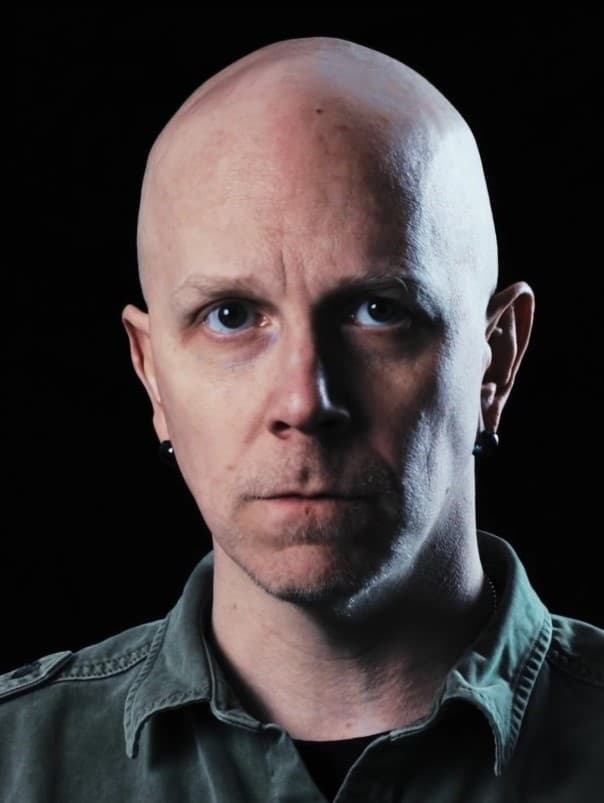
Shares punk rock, alternative rock, pop rock (subgenres); basement_show, festival, urban_night (atmosphere)
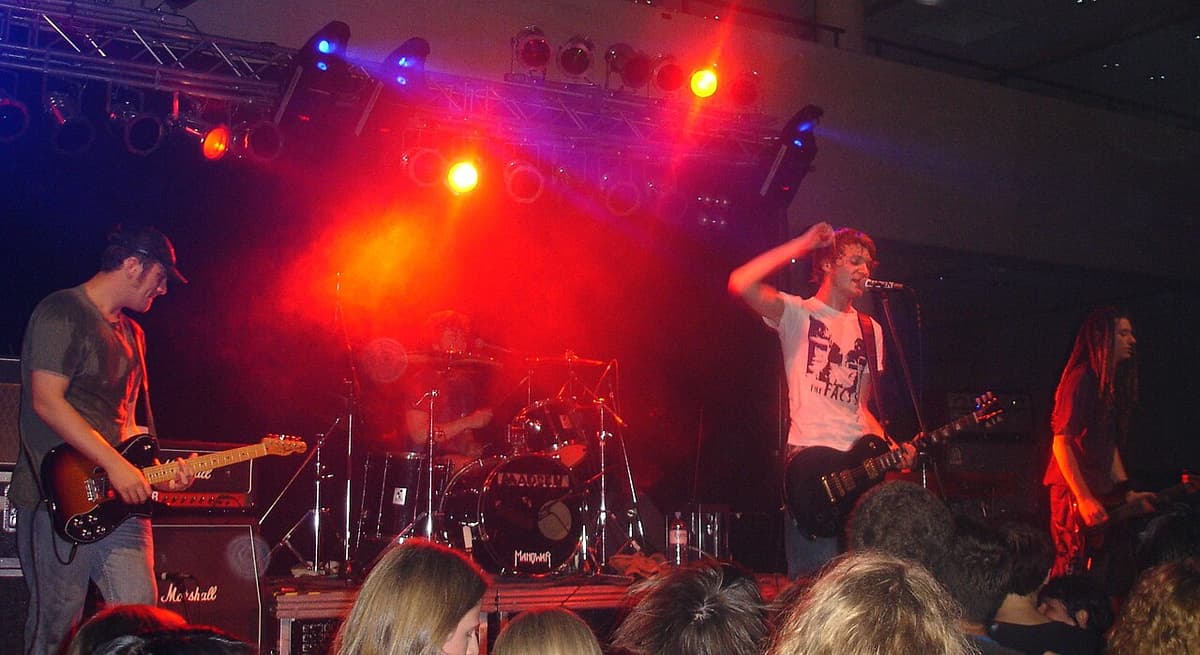
Shares punk rock, alternative rock, pop rock (subgenres); basement_show, festival, urban_night (atmosphere)
Shares punk rock, alternative rock, pop rock (subgenres); electric guitar, drums, bass (instrumentation)
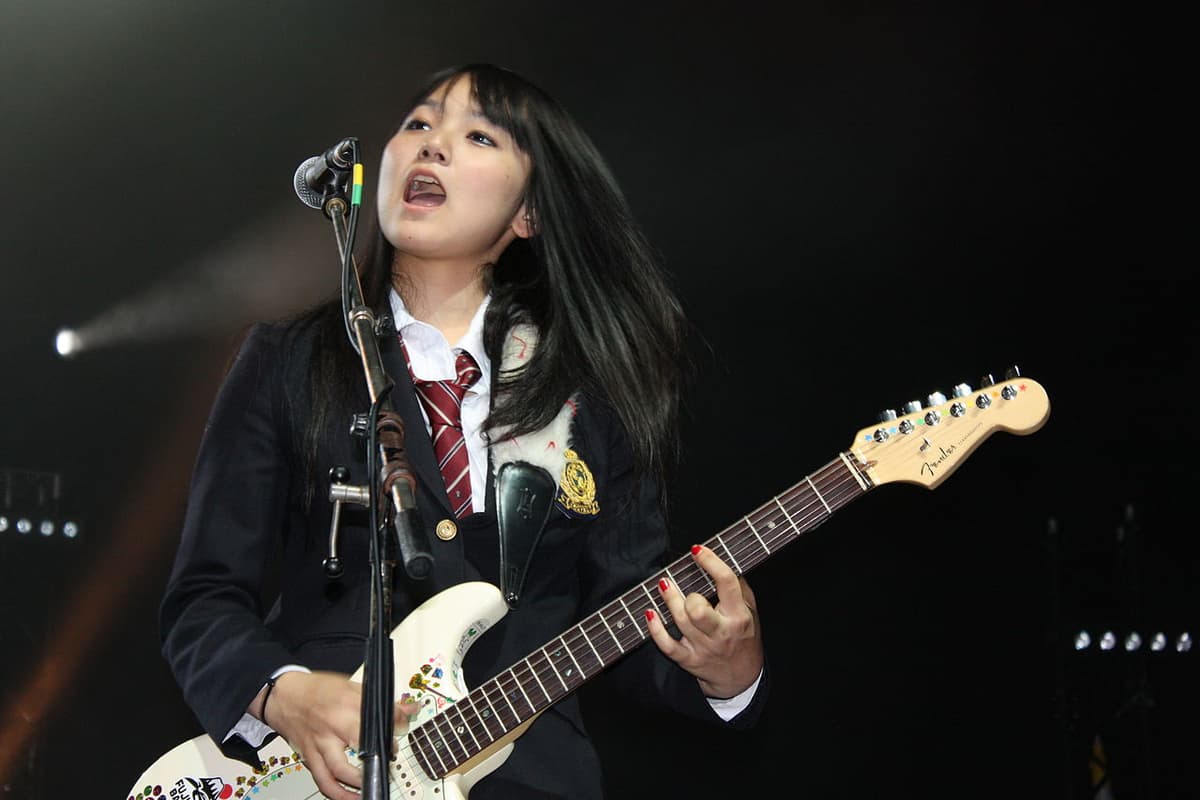
Shares punk rock, alternative rock, pop rock (subgenres); basement_show, festival, urban_night (atmosphere)
Shares punk rock, alternative rock, pop rock (subgenres); basement_show, festival, urban_night (atmosphere)
Shares punk rock, alternative rock, pop rock (subgenres); electric guitar, drums, bass (instrumentation)
Shares punk rock, alternative rock, pop rock (subgenres); electric guitar, drums, bass (instrumentation)
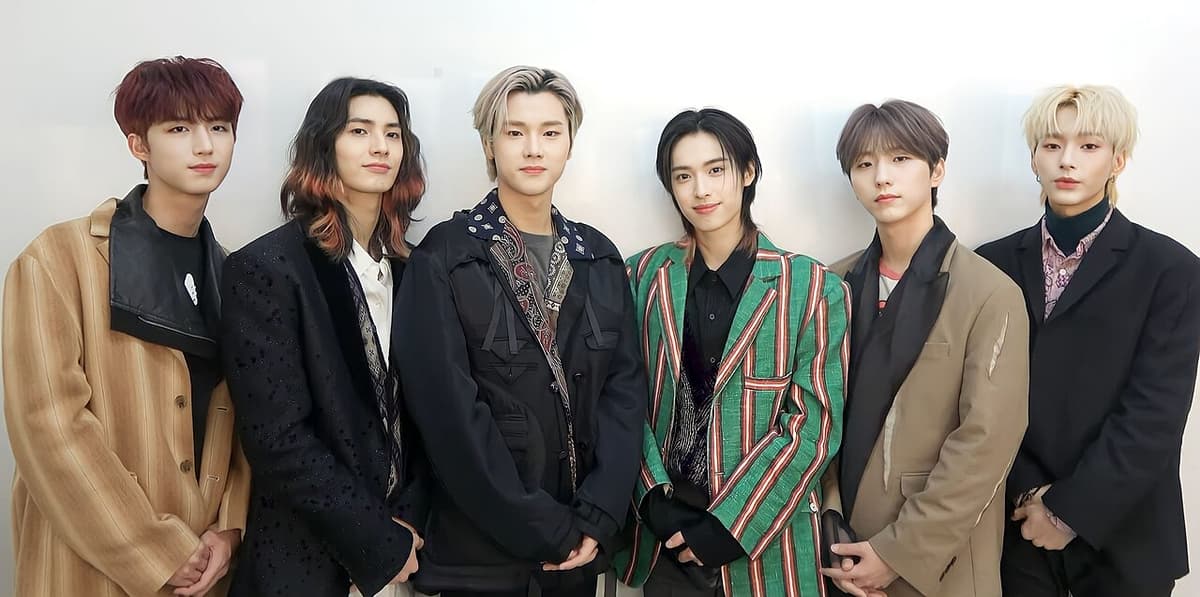
Shares punk rock, alternative rock, pop rock (subgenres); maximalist, studio_polished, layered_dense (production style)
Shares punk rock, pop rock, nasal, maximalist (subgenre)
Cassette uses generative AI to enrich its catalog. How we use AI →