Farai sounds like the cold, hard surfaces of a city at night. It is music built on a foundation of skeletal drum machine patterns and thick, distorted synth bass that feels both industrial and deeply human. The production is intentionally sparse, leaving massive amounts of negative space that make every metallic clink and electronic hum feel heavy and deliberate.
What truly sets the project apart is Farai Bukowski-Bouquet’s vocal delivery. Eschewing traditional melody for a rhythmic, deadpan spoken-word style, she narrates the complexities of the African diaspora, London life, and personal rebirth. It is a confrontational but poetic approach that demands the listener's full attention, turning each track into a short, gritty film.
Start with the album Rebirth. It perfectly captures the tension between TONE’s jagged, minimalist production and Farai’s commanding presence. It is essential listening for anyone who finds beauty in the intersection of punk attitude and electronic experimentation.

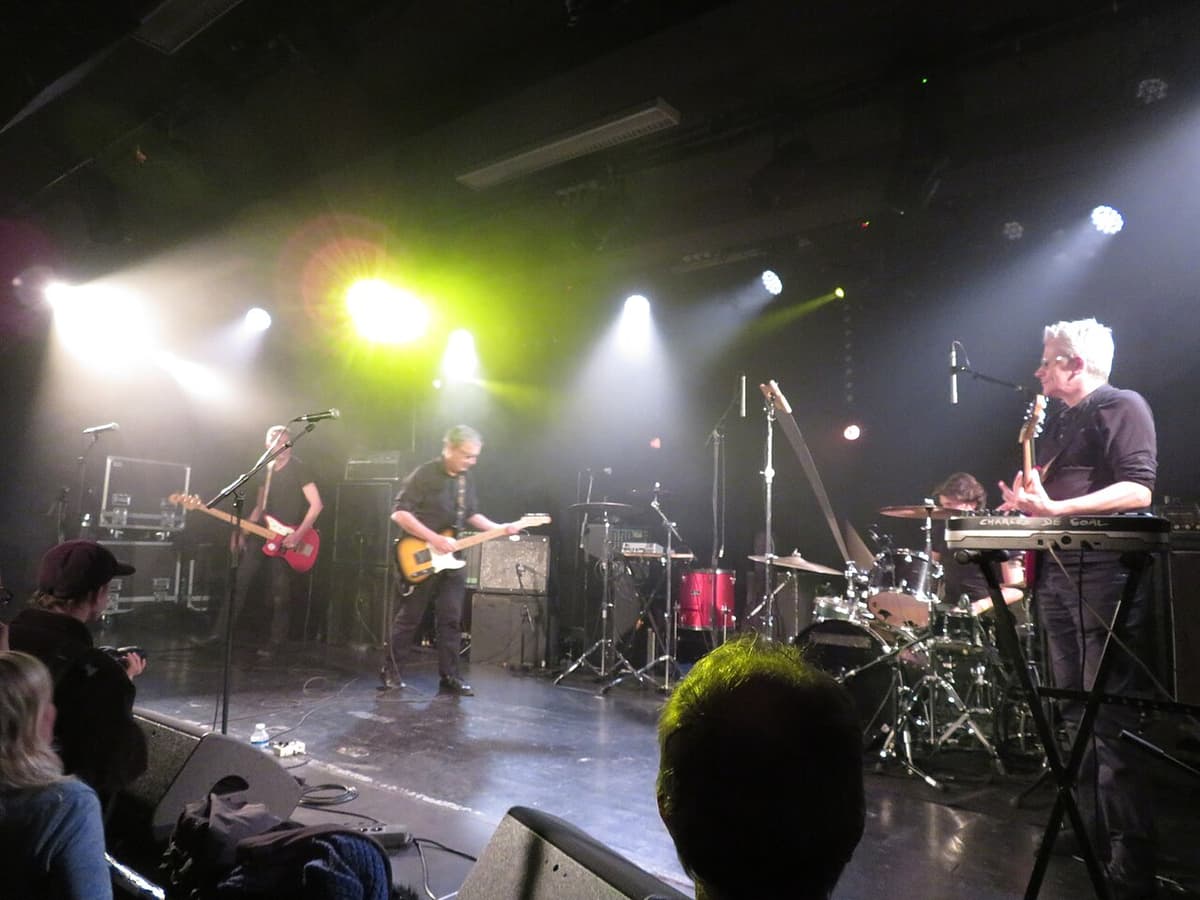
Shares urban night, basement show, fog (atmosphere); minimalist, lo fi, noise textured (production style)
Shares post-punk, darkwave, no wave (subgenres); urban night, basement show, fog (atmosphere)
Shares defiant, brooding, restless (moods); urban night, basement show, fog (atmosphere)
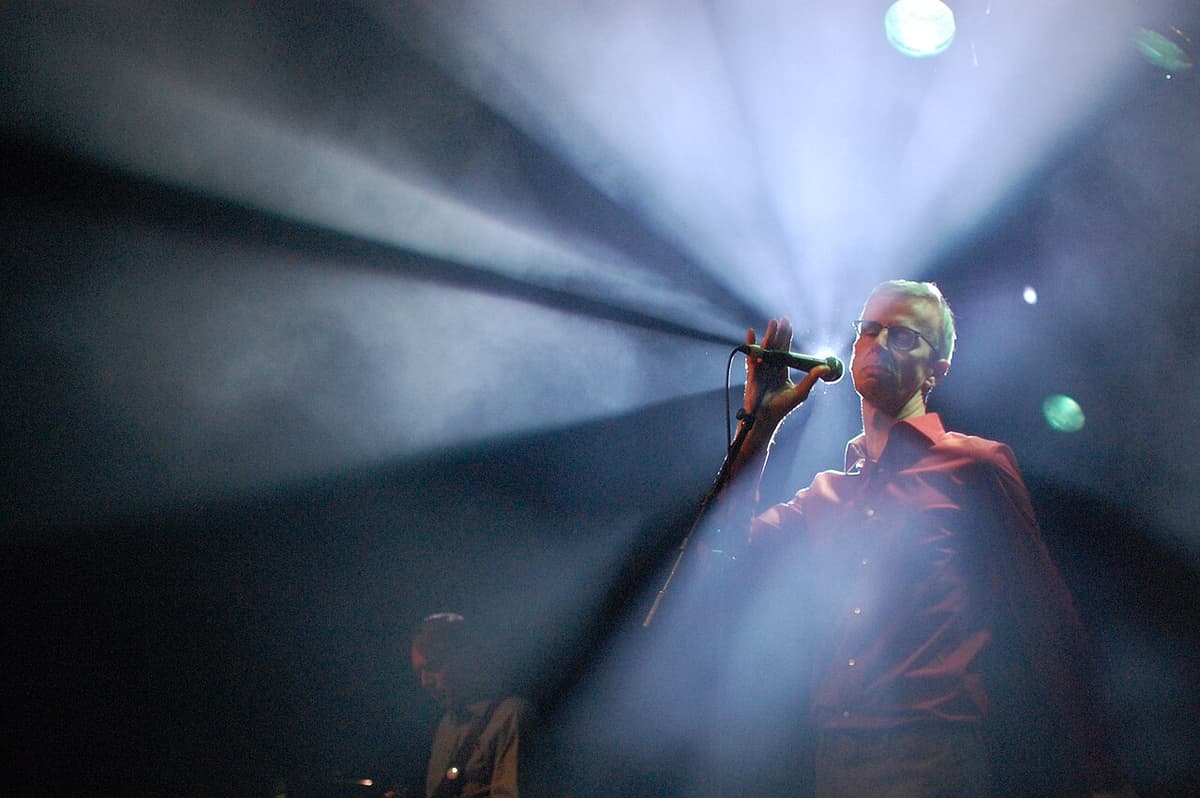
Shares urban night, basement show, fog (atmosphere); post-punk, darkwave (subgenres)
Shares restless, brooding, tense (moods); spoken word, deadpan, narrating (vocal style)
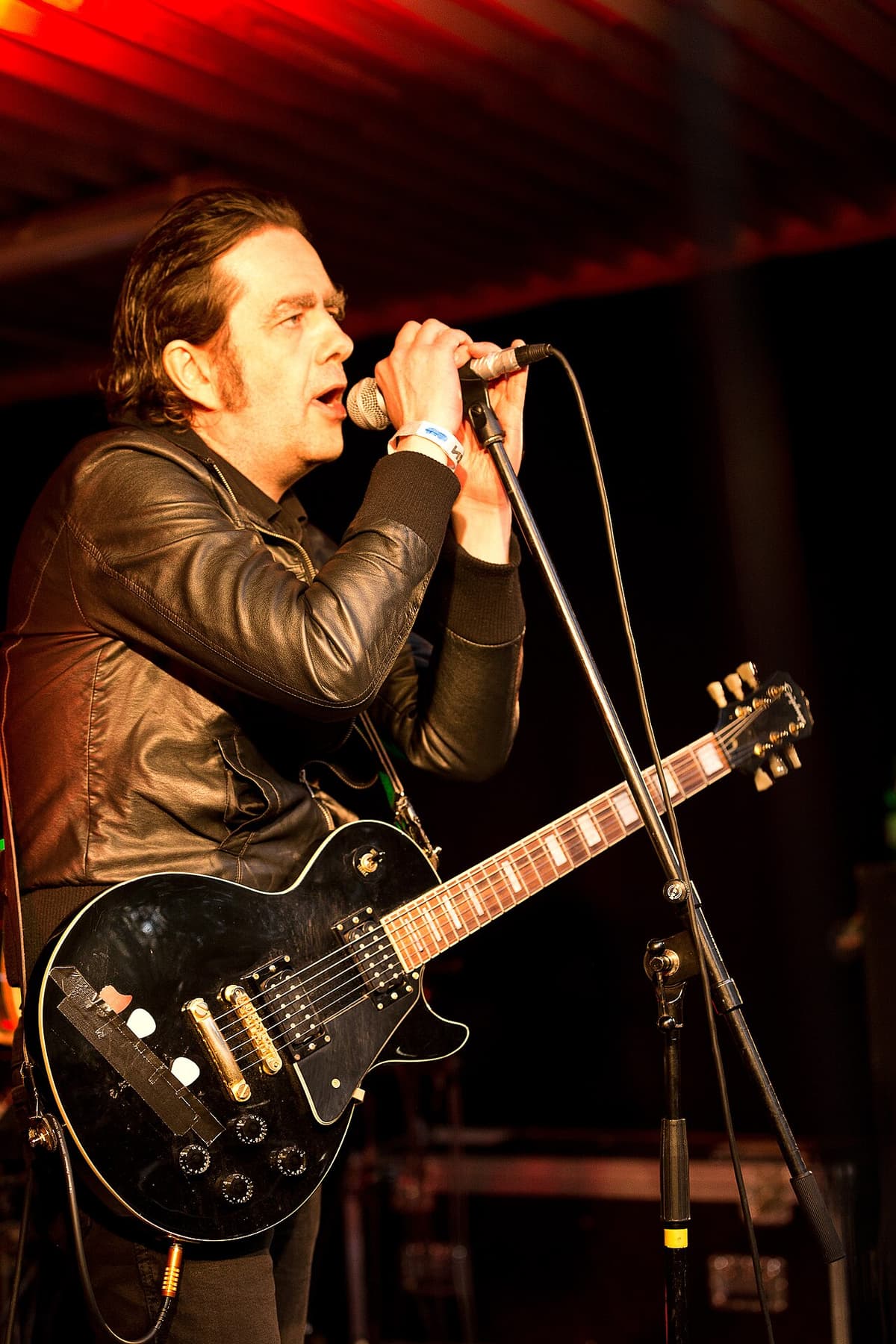
Shares minimalist, drum machine, lo fi (production style); post-punk, darkwave (subgenres)
Shares urban night, basement show, fog (atmosphere); post-punk, darkwave (subgenres)
Shares minimalist, lo fi, noise textured (production style); defiant, brooding, restless (moods)
Shares no wave, spoken word, minimalist, narrating (subgenre)
Shares no wave, spoken word, narrating, post-punk (subgenre)
Cassette uses generative AI to enrich its catalog. How we use AI →