Fonky Family sounds like the Mediterranean coast if you stripped away the postcards and replaced them with concrete, spray paint, and the smell of exhaust. Their music is built on a foundation of classic boom-bap, but it carries a distinctively French weight: a mixture of high-velocity aggression and a deep, underlying melancholy. The production often leans into cinematic, minor-key piano samples and dusty drum breaks that feel like they were unearthed from a forgotten film noir soundtrack.
What truly sets them apart is the vocal chemistry between Le Rat Luciano, Sat, Don Choa, and Menzo. They don't just take turns; they collide and weave together, creating a sense of collective urgency that feels like a conversation happening in a crowded Marseille square. There is a raw, unpolished edge to their delivery that prioritizes emotional honesty and social realism over studio perfection, making every track feel like a dispatch from the front lines of urban life.
Start with 'Art de rue' to hear the group at their commercial and creative peak. It perfectly captures their ability to balance massive, anthemic hooks with the gritty, uncompromising street perspective that made them legends of the French rap scene.
Fonky Family () or La Fonky Family (often shortened to La Fonky, or La FF), is a French hip hop band from Marseille, consisting of four rappers, Le Rat Luciano, Menzo, Don Choa and Sat, producer Pone, DJ Djel, dancer Blaze, singer Karima, Flex (fetus) Nandell, and manager Fafa. Fonky Family made their first appearance on the French hip hop scene in 1994, after IAM had paved the way for new hip hop artists originating from Marseille. In 1995, they appeared in the song titled "Les Bad Boys de Marseille" on Métèque et mat, the first solo album by IAM's Akhenaton. Their first album, Si Dieu veut..., came out in 1997 and soon received a gold album. Karima left the group before the release of the album. In 1998, the group were invited to collaborate with Akhenaton on the soundtrack of Luc Besson's film Taxi. The film became a huge success and its soundtrack topped the French charts. After numerous collaborations with different members of IAM on their solo albums, the group released one EP record with six live and edited titles, titled Hors série volume 1, in spring 1999. Hors série volume 2 was released in 2000. Their second album, Art de rue, came out in 2001. After that, many members of the group chose to pursue solo careers: Le Rat Luciano had already released a solo album in 2000, and Sat and Don Choa followed in 2001 and 2002 respectively. DJ Djel produced two compilations in 2001 and 2003. In January 2006, Fonky Family released their third album Marginale musique (Jive/Sony BMG), which debuted on the French charts straight at number one. Fonky Family have a global music publishing deal with BMG Music Publishing. Fonky Family's track "La Furie et la Foi" was used as the soundtrack for French skateboarder J. B. Gillet's part in the film Rodney Vs Daewon Round II.


Shares boom bap, conscious hip-hop, hardcore punk (subgenres); urban night, basement show, rainy day (atmosphere)
Shares conscious hip-hop, boom bap (subgenres); defiant, urgent, brooding (moods)
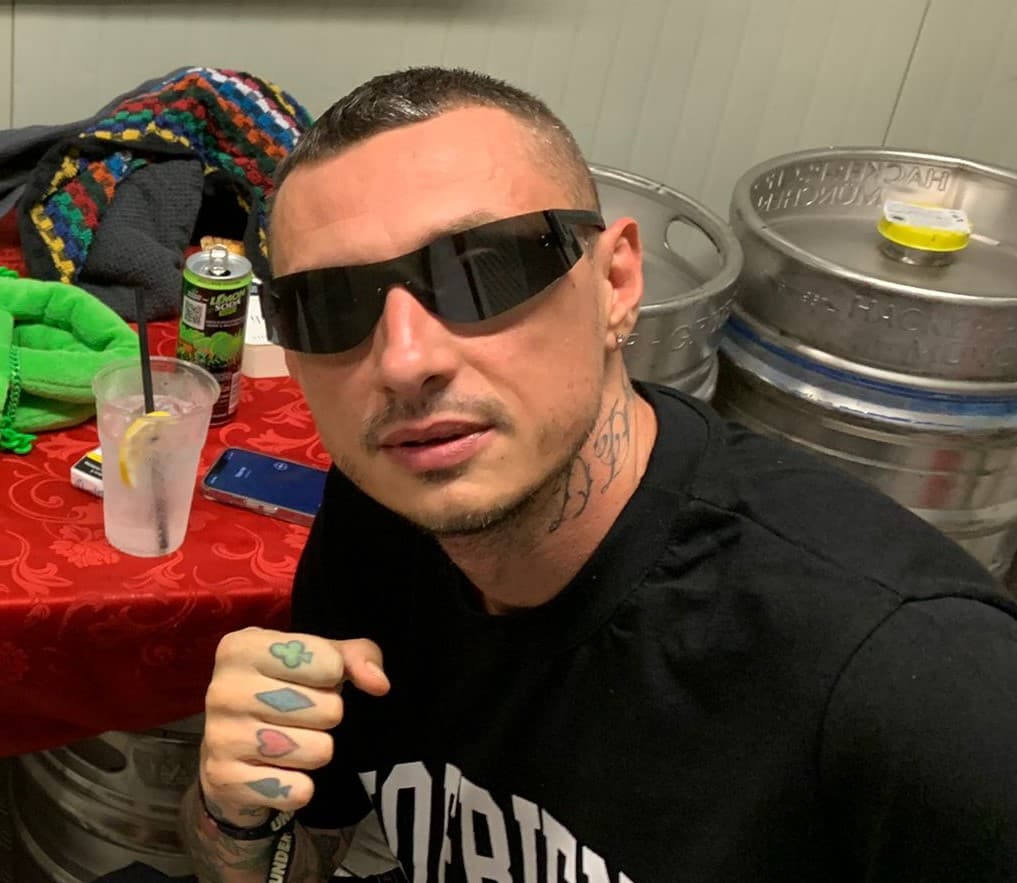
Shares boom bap, conscious hip-hop, hardcore punk (subgenres); defiant, urgent, brooding (moods)
Shares boom bap, conscious hip-hop (subgenres); lo fi, sample based, drum machine (production style)
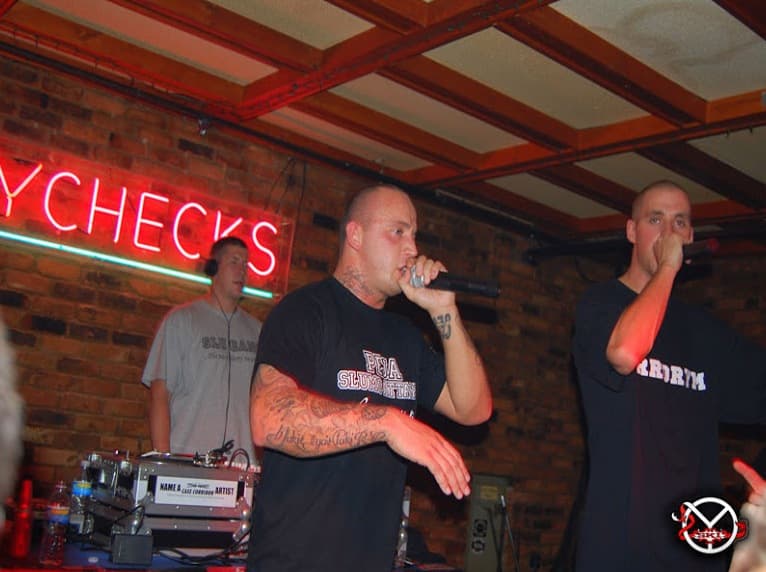
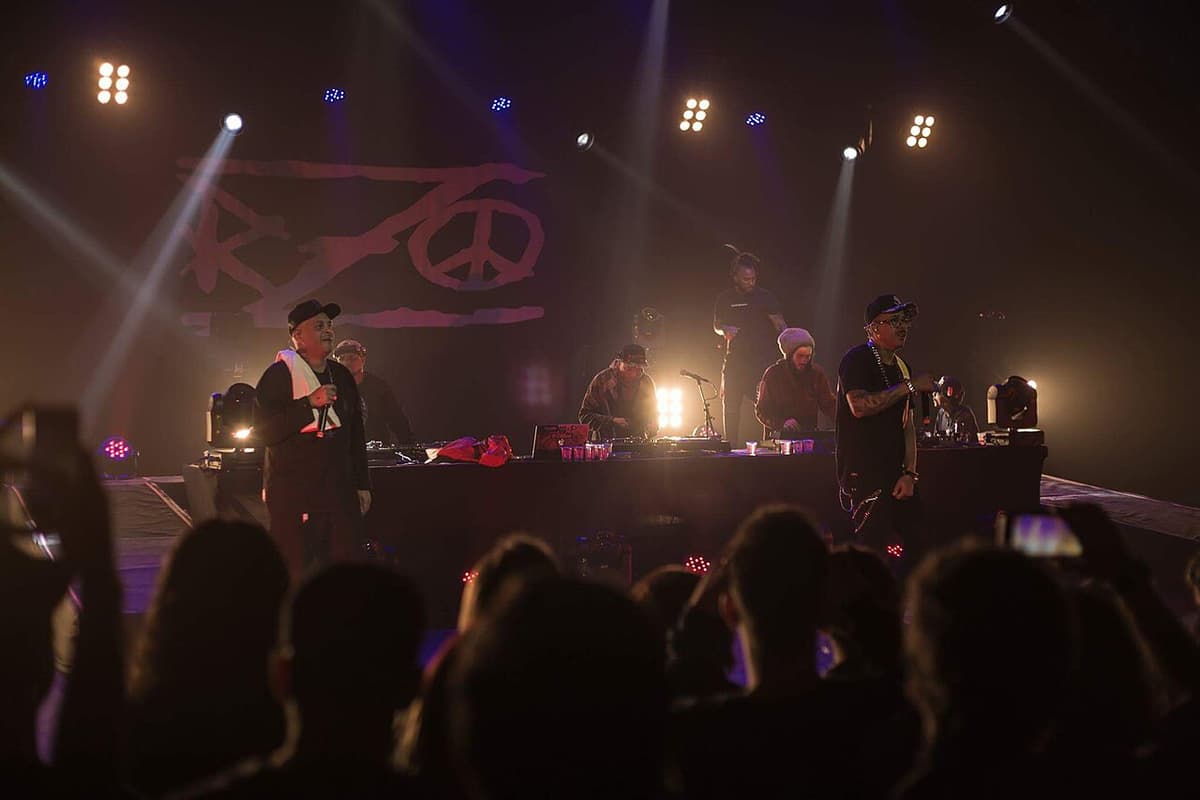
Shares boom bap, conscious hip-hop, hardcore punk (subgenres); sample based, lo fi, orchestral arrangement (production style)
Shares boom bap, conscious hip-hop, hardcore punk (subgenres); sample based, lo fi, drum machine (production style)
Shares boom bap, conscious hip-hop, hardcore punk (subgenres); sample based, lo fi, orchestral arrangement (production style)
Shares boom bap, conscious hip-hop, hardcore punk (subgenres); urban night, basement show (atmosphere)
Shares conscious hip-hop, turntables, hardcore punk, boom bap (subgenre)
Cassette uses generative AI to enrich its catalog. How we use AI →