Françoiz Breut
Restrained, melancholic French pop that feels like a charcoal sketch. Intimate chamber arrangements for quiet nights and thoughtful solitude.
Restrained, melancholic French pop that feels like a charcoal sketch. Intimate chamber arrangements for quiet nights and thoughtful solitude.
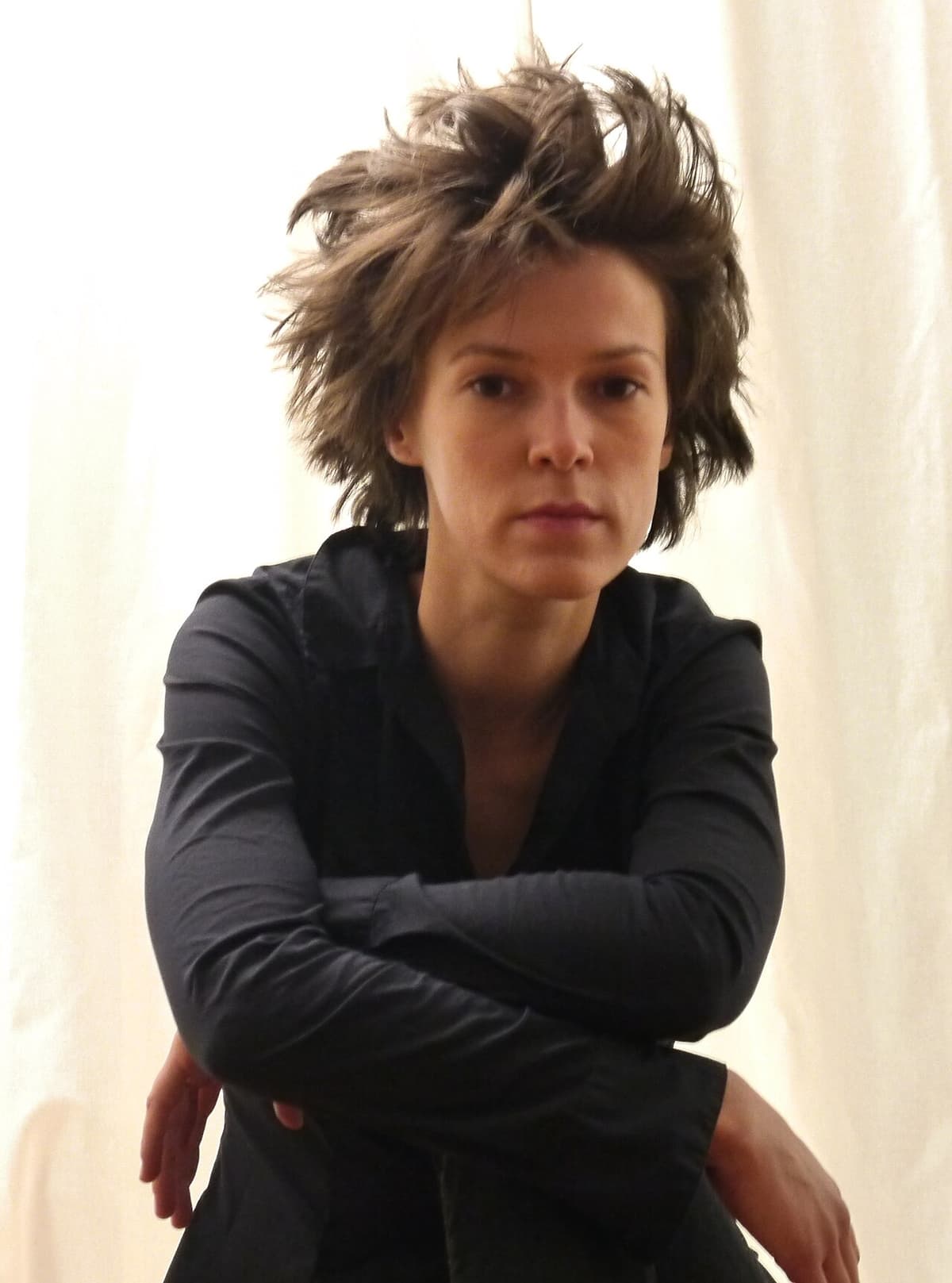
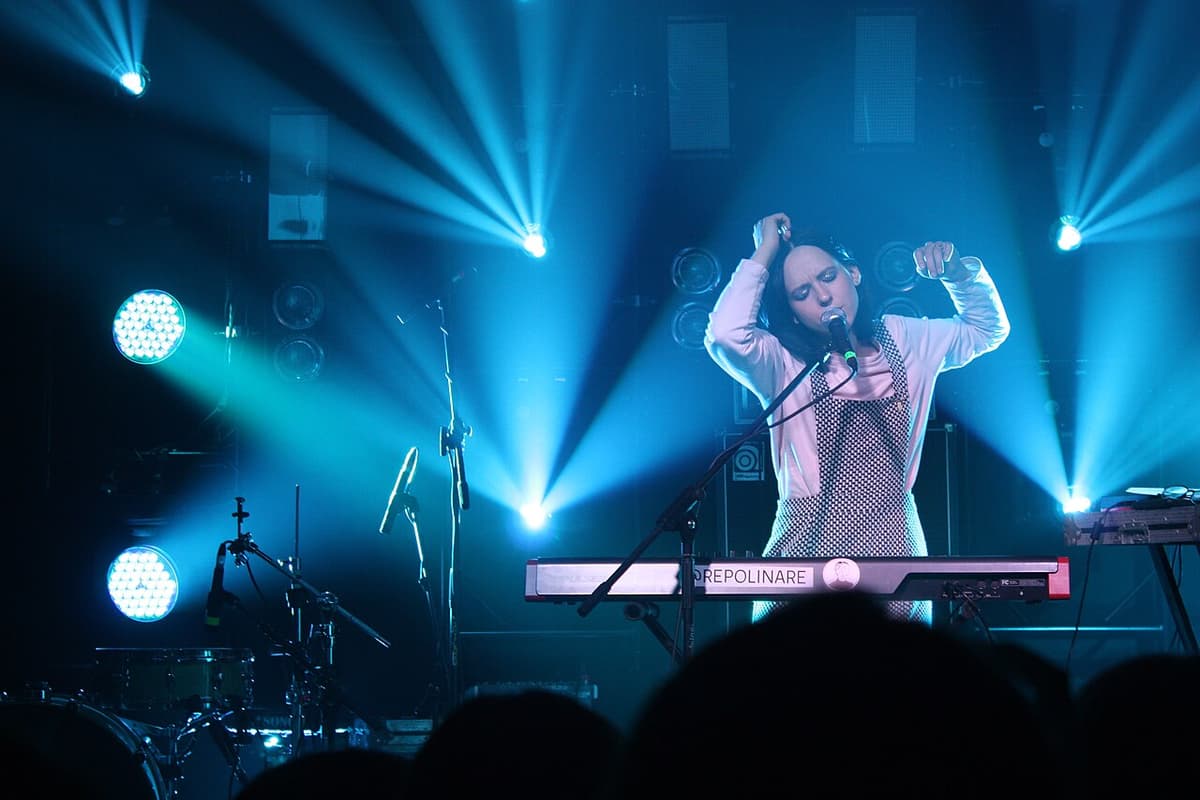
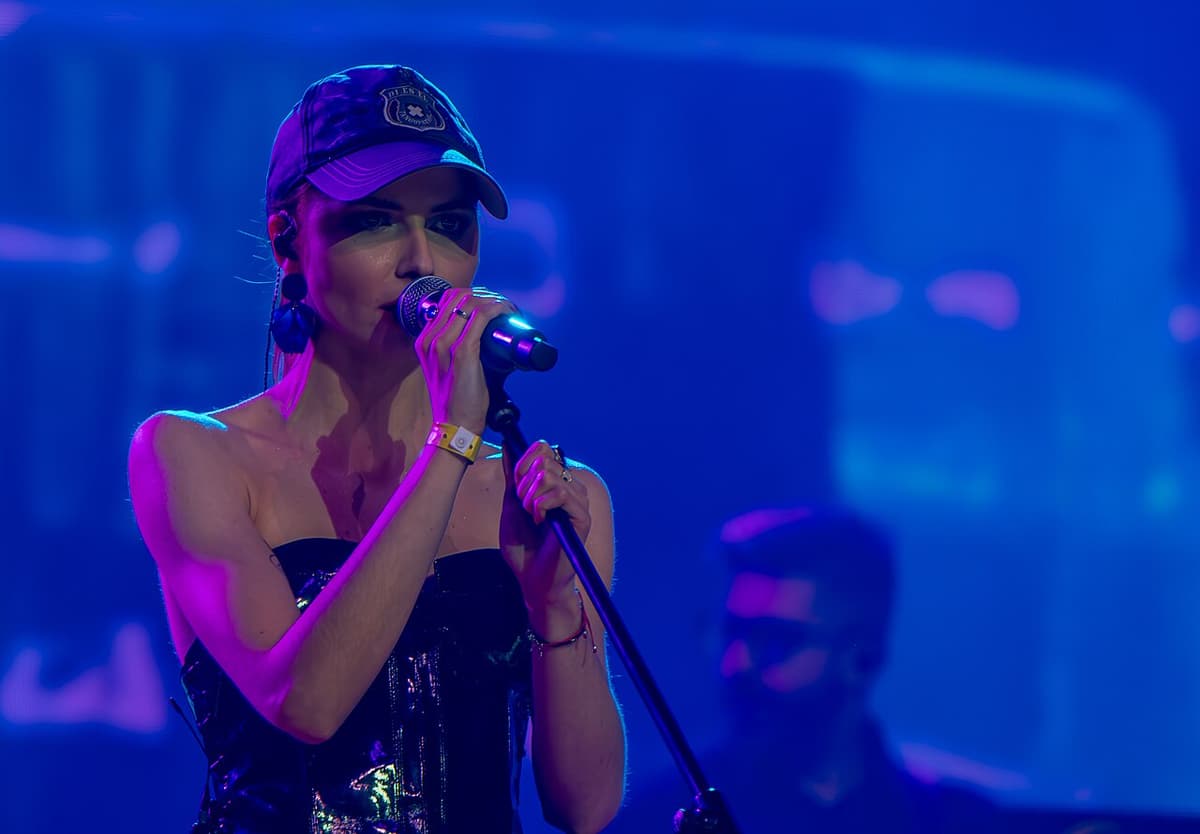
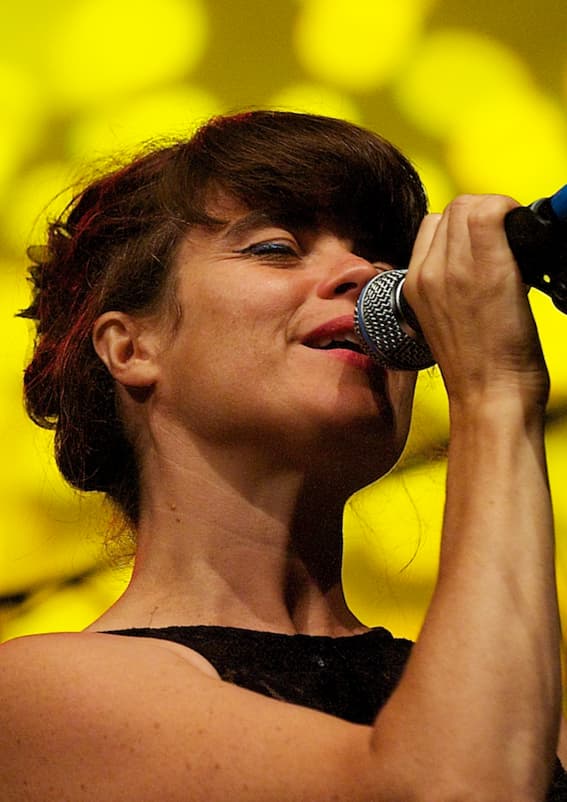
Françoiz Breut is a pivotal figure in the 'nouvelle scène française' that emerged in the late 1990s. Originally an illustrator, her entry into music was catalyzed by her relationship with Dominique A, who wrote much of her early material.
This partnership defined a new era of French pop that rejected the glossy production of the 80s in favor of a minimalist, indie-rock influenced aesthetic. Over her career, she has evolved from a muse-like figure into a formidable songwriter and collaborator, working with international acts like Calexico and Yann Tiersen. Her sound identity is defined by a blend of traditional chanson, chamber pop, and subtle electronic elements, always anchored by her distinctive, breathy vocal delivery. Critically, she is revered for her ability to maintain a 'moody' atmosphere without falling into cliché, often praised for the literary and visual quality of her lyrics. She occupies a unique cultural space as both a musician and a visual artist, with her Brussels-based life influencing a sound that feels both quintessentially French and broadly European.
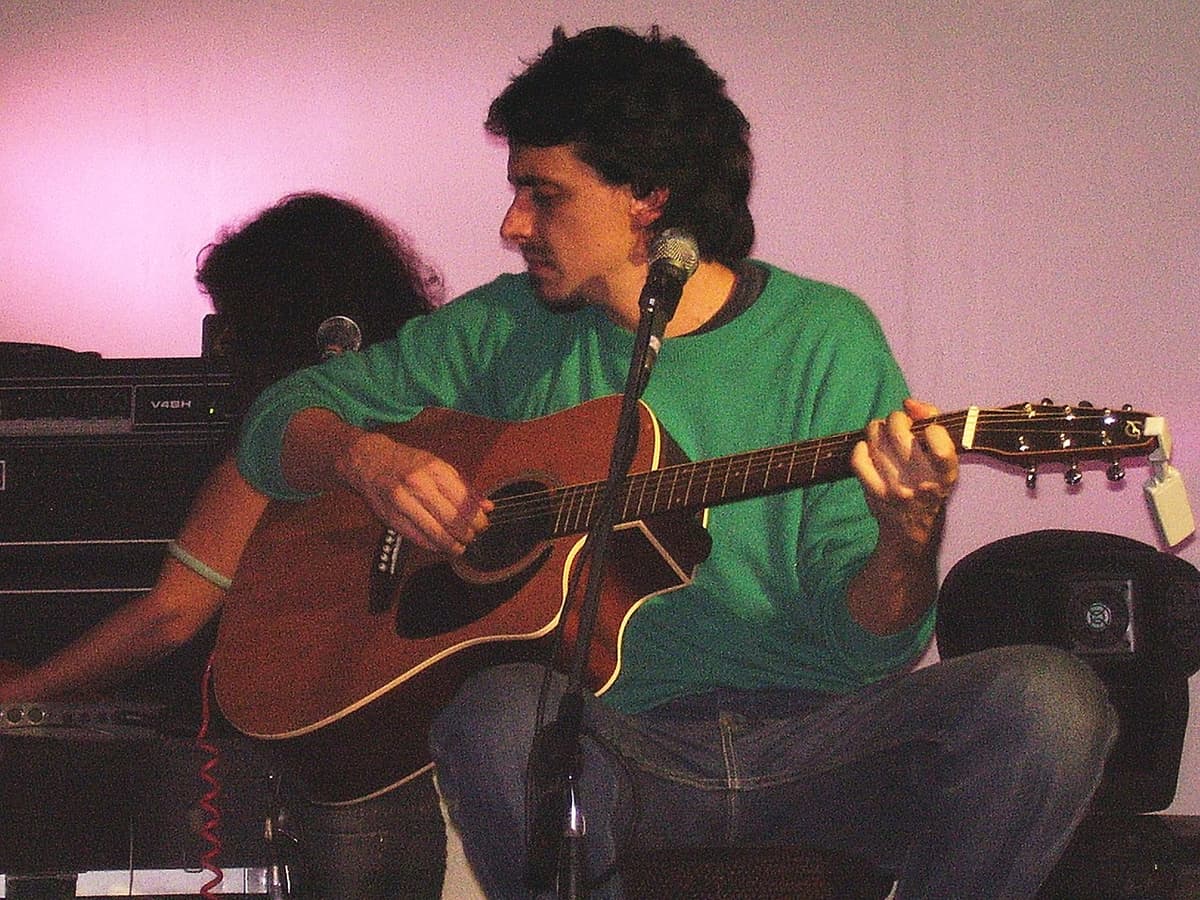
Shares chamber pop, indie pop, art pop (subgenres); analog_warmth, minimalist, layered_dense (production style)
Shares chamber pop, indie pop, art pop (subgenres); analog_warmth, minimalist, studio_polished (production style)
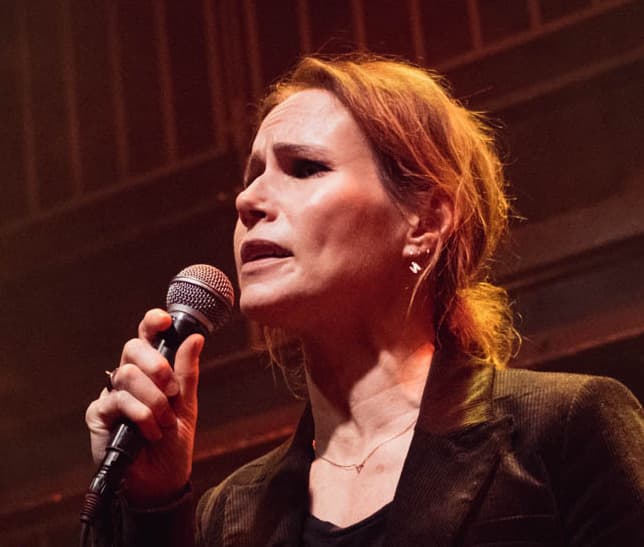
Shares analog_warmth, minimalist, layered_dense (production style); melancholic, wistful, contemplative (moods)

Shares chamber pop, indie pop, art pop (subgenres); analog_warmth, minimalist, layered_dense (production style)
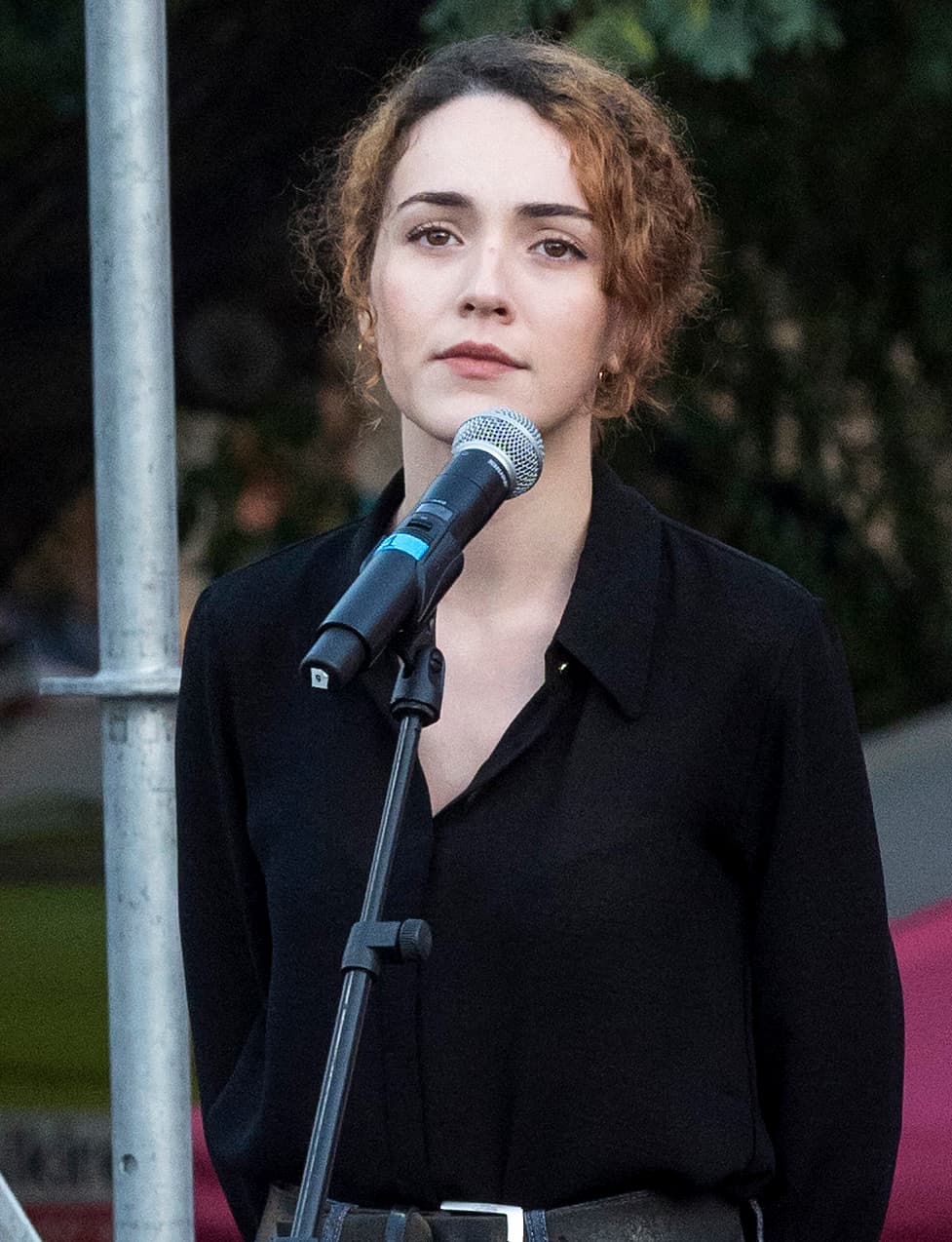
Shares analog_warmth, minimalist, layered_dense (production style); chamber pop, indie pop, art pop (subgenres)
Shares chamber pop, indie pop, art pop (subgenres); melancholic, wistful, contemplative (moods)
Shares chamber pop, indie pop, art pop (subgenres); analog_warmth, minimalist, layered_dense (production style)
Cassette uses generative AI to enrich its catalog. How we use AI →