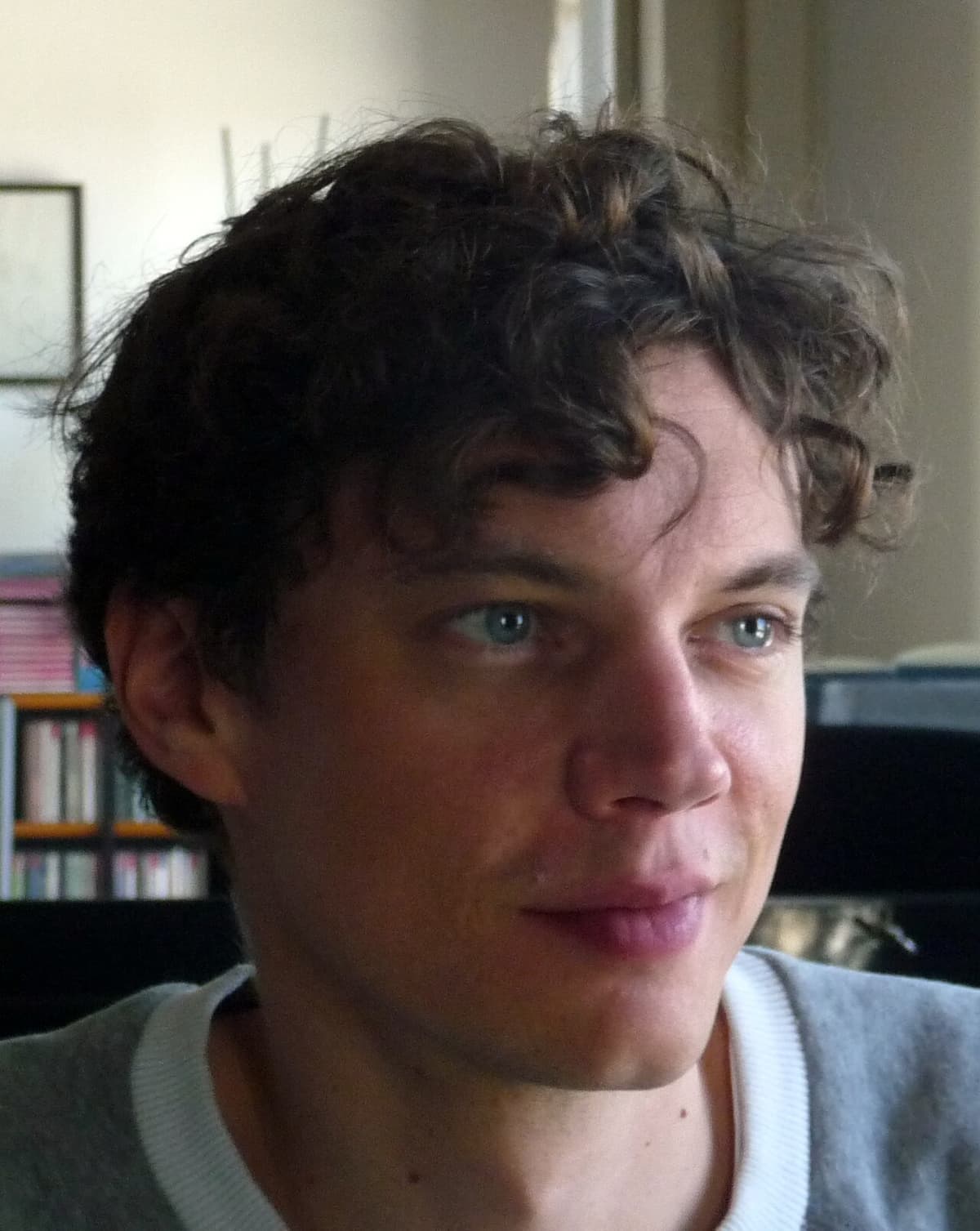
Francesco Tristano
Pristine grand piano patterns that pulse with the mechanical heart of Detroit techno. A high-concept bridge between the conservatory and the club.
Pristine grand piano patterns that pulse with the mechanical heart of Detroit techno. A high-concept bridge between the conservatory and the club.
Francesco Tristano sounds like a world-class concert hall that has been surreptitiously rewired by a techno producer. The music is anchored by the crystalline clarity of a grand piano, but the phrasing is borrowed from the relentless, hypnotic loops of electronic dance music. It is precise, mathematical, and deeply elegant, moving with a velocity that feels both ancient and futuristic. You can hear the ghosts of Bach and Frescobaldi, but they are dancing to a 4/4 pulse that never quite breaks into a sweat.
What makes Tristano truly distinctive is his refusal to treat 'classical' and 'electronic' as separate rooms. He doesn't just play piano over a beat; he plays the piano AS the beat. His touch is percussive and rhythmic, mimicking the behavior of sequencers and synthesizers through sheer physical technique. Even in his purely acoustic moments, there is a modular quality to his compositions, where melodic cells evolve and shift with the calculated patience of a minimal techno set.
Start with 'Idiosynkrasia' to hear the peak of his hybrid vision, where the acoustic and electronic elements are indistinguishable. If you prefer a more intimate, narrative-driven experience, 'Tokyo Stories' captures the sensory overload of the city through a more delicate, atmospheric lens. For those coming from the classical world, his interpretations of Baroque masters reveal the rhythmic DNA that connects the 17th century to the modern dance floor.
Francesco Tristano Schlimé, stage name Francesco Tristano, born 1981, is a Luxembourgish classical and experimental pianist and composer who also plays the clarinet. He composes both classical and electronic music.
Cassette uses generative AI to enrich its catalog. How we use AI →


