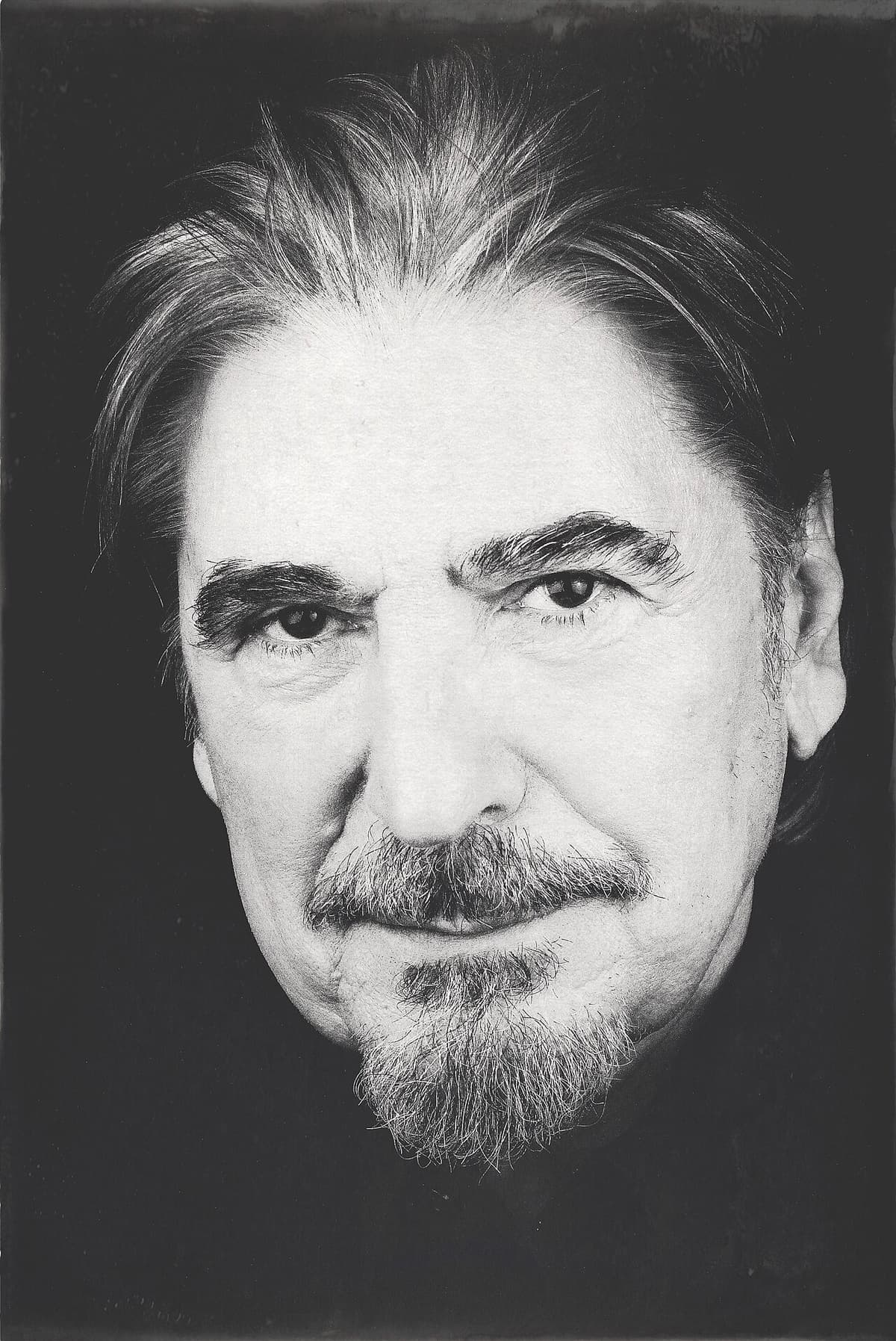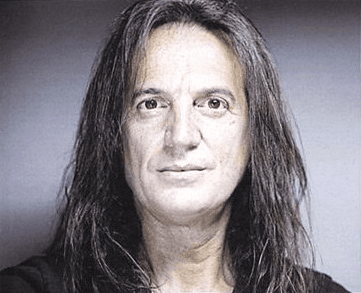
Francis Lalanne
High-drama French chanson that pairs poetic intensity with orchestral swells. Passionate, theatrical, and deeply sentimental music for late-night reflection.
High-drama French chanson that pairs poetic intensity with orchestral swells. Passionate, theatrical, and deeply sentimental music for late-night reflection.
Francis Lalanne occupies a unique space in the French musical landscape, blending the traditional intimacy of chanson with the grandiosity of rock and orchestral pop. His music is defined by a sense of urgent, almost desperate romanticism. It sounds like a man pouring his entire soul into a microphone, backed by arrangements that swell and recede like the tide. There is a tactile warmth to the production, often favoring rich pianos and sweeping string sections that frame his powerful, elastic voice.
What truly sets Lalanne apart is his theatricality. He doesn't just sing songs; he performs them as if they were soliloquies in a grand drama. His delivery often moves from a hushed, poetic whisper to a full-throated, operatic belt within a single track. This dynamic range creates a listening experience that feels both deeply personal and cinematically vast. It is music that demands your full attention, rewarding the listener with intricate lyrical metaphors and unexpected melodic turns.
For those new to his work, the self-titled 1980 album is the essential starting point. It captures the raw energy and poetic ambition of his early career, featuring his most iconic blend of folk-inflected songwriting and pop sensibility. It is the perfect introduction to an artist who has spent decades exploring the intersection of music, poetry, and performance art.
Francis Lalanne (born 8 August 1958) is a French-Uruguayan singer, songwriter and poet. He is the brother of composer Jean-Félix Lalanne and film director René Manzor.
Shares soft rock, belting, vocal jazz, soul (subgenre)
Shares soul, sentimental, candlelit, orchestral arrangement (signature)
Shares theatrical vocal swells, soul, soft rock, belting (detail)
Shares soul, belting, vocal jazz, sentimental (signature)
Shares theatrical, belting, vocal jazz, sentimental (signature)
Cassette uses generative AI to enrich its catalog. How we use AI →