fsFreak, the moniker of Swedish producer Albin Larsson, is a notable figure within the 2000s Scandinavian chiptune and bitpop scene. Emerging from the Eskilstuna region, Larsson's work is deeply rooted in the demoscene tradition, characterized by the creative use of limited hardware and software trackers to produce complex electronic music.
His sound identity is built on high-tempo, melodic compositions that utilize the distinct timbres of 8-bit sound chips, often categorized by listeners as 'blip-blop.' Throughout his active years, particularly between 2007 and 2011, he bridged the gap between underground tracker culture and the broader indie-electronic world, performing live at key digital arts events. His catalog, including works like 'Equation of Victory' and 'Machine Dance,' is highly regarded by collectors of netlabel culture and chiptune enthusiasts. Critically, he is seen as a contemporary to artists like Zalza and Dubmood, representing a specific era of Swedish digital creativity where technical programming skill and pop sensibility merged.
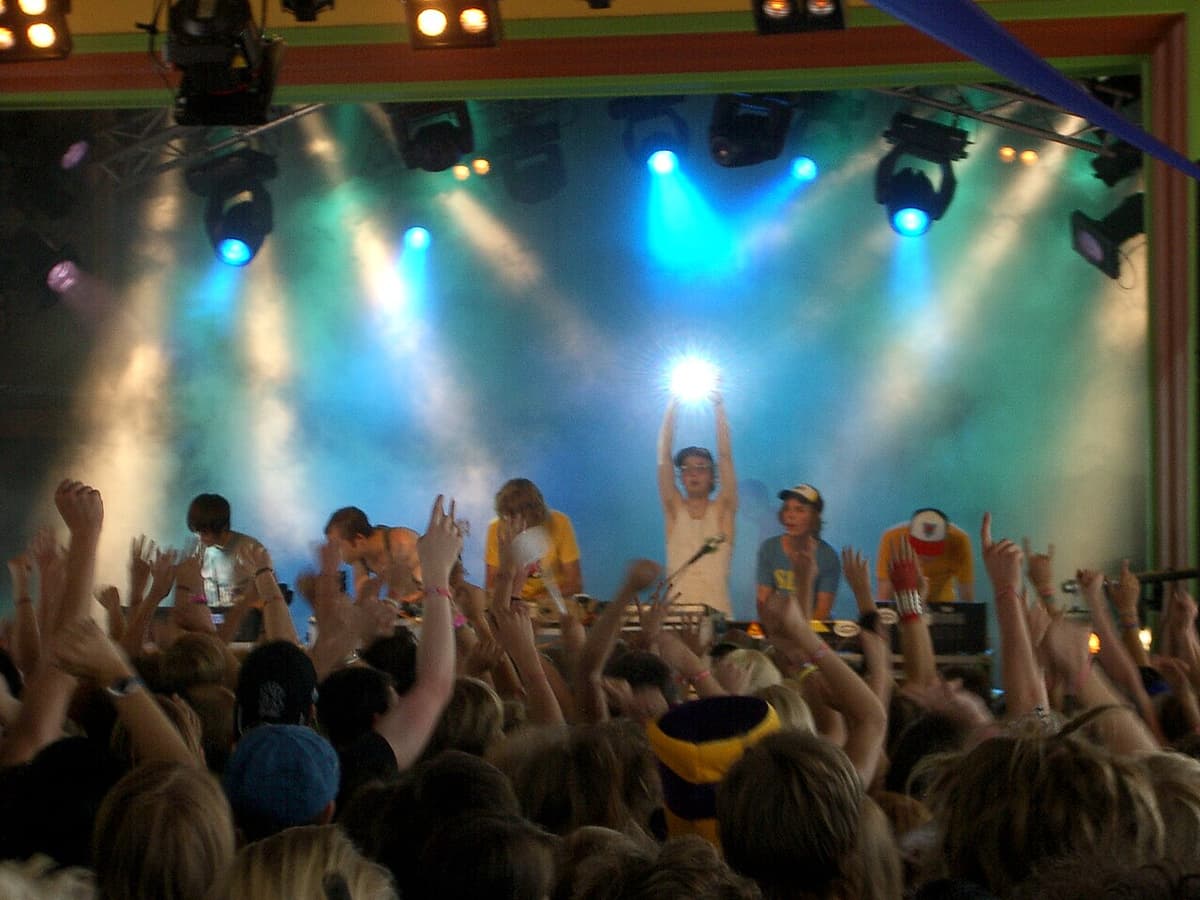
Shares synth-pop, electronica (subgenres); playful, nostalgic, energetic (moods)
Shares synth-pop, electronica (subgenres); absent, processed (vocal style)
Shares synth-pop, electronica (subgenres); playful, nostalgic, energetic (moods)
Shares synth-pop, electronica (subgenres); playful, nostalgic, energetic (moods)
Shares synth-pop, electronica (subgenres); absent, processed (vocal style)
Shares synth-pop, electronica (subgenres); playful, nostalgic, energetic (moods)
Shares playful, nostalgic, energetic (moods); synth-pop (subgenres)
Shares synth-pop, electronica (subgenres); basement_show, urban_night, focused_work (atmosphere)
Shares playful, joyful, nostalgic (moods); absent, processed (vocal style)
Shares tracker-based melodic phrasing, bitpop, electronica, digital_clarity (detail)
Cassette uses generative AI to enrich its catalog. How we use AI →