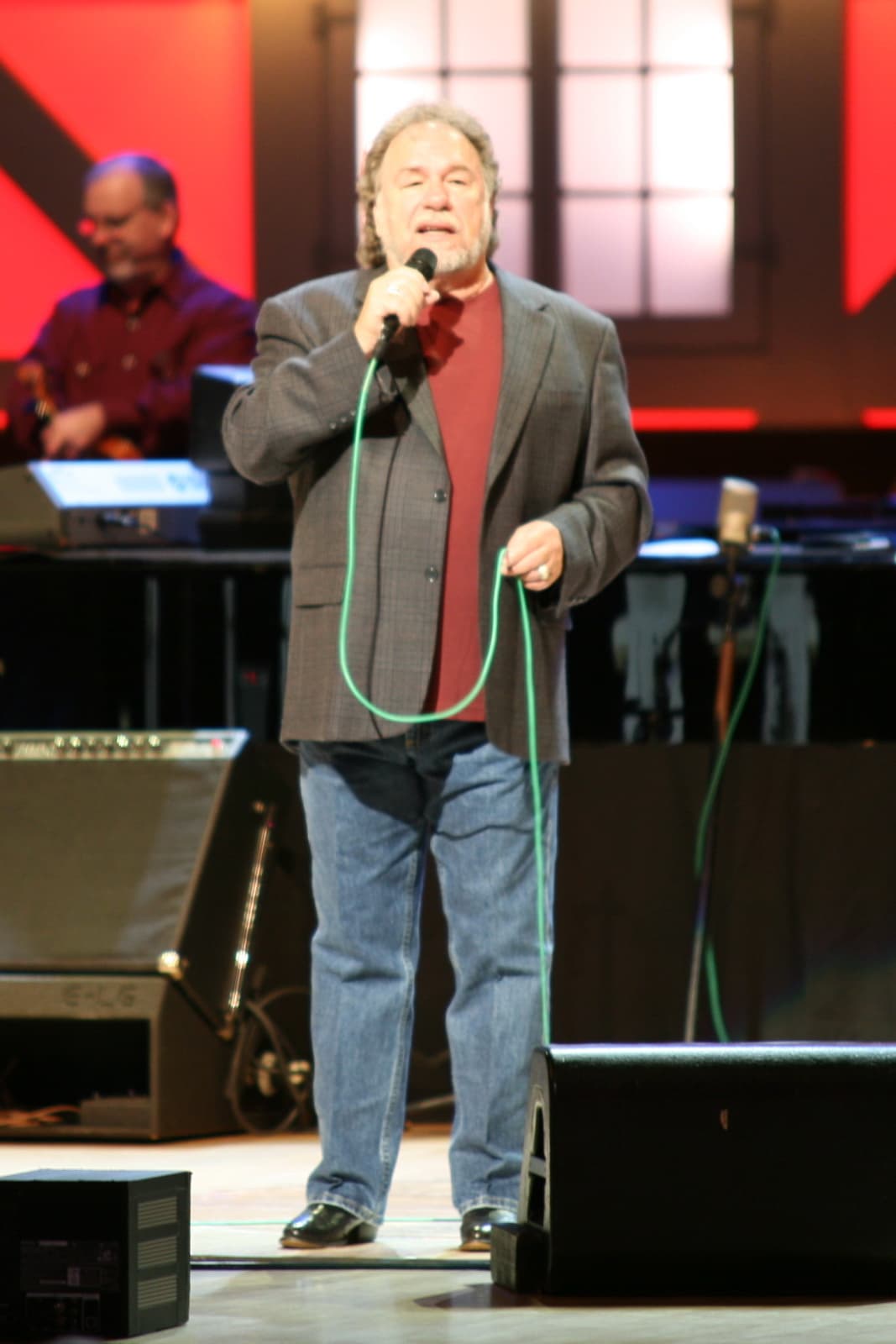
Gene Watson
Pure, unadulterated honky-tonk led by a voice that finds the exact center of a heartbreak. Perfect for late nights and neon-lit reflections.
Pure, unadulterated honky-tonk led by a voice that finds the exact center of a heartbreak. Perfect for late nights and neon-lit reflections.
Gene Watson is the singer's singer of the country world, possessing a voice that feels like a warm, well-worn leather jacket. His music is defined by a precision that never feels clinical; instead, it captures the specific, aching gravity of working-class life and love. It is the sound of the '70s and '80s country gold era, where the pedal steel was high in the mix and the lyrics didn't shy away from the messy realities of the human heart.
What sets Watson apart is his incredible vocal control, particularly his ability to transition into a crystalline high register that seems to hang in the air like smoke. While his contemporaries often leaned into the 'outlaw' persona or pop-country polish, Watson remained a steadfast traditionalist. His songs are built on a foundation of shuffling rhythms and authentic instrumentation that makes every track feel like it was recorded in a wood-paneled studio in the heart of Texas.
To understand his appeal, start with 'Farewell Party' to hear one of the most technically impressive and emotionally devastating vocals in the genre's history. From there, move to the upbeat 'Fourteen Carat Mind' to see how he handles a groove without losing his signature soulfulness. He is essential listening for anyone who believes country music is at its best when it is honest, melodic, and just a little bit sad.
Gary Gene Watson (born October 11, 1943) is an American country music singer. He is most famous for his 1975 hit "Love in the Hot Afternoon", his 1981 number-one hit "Fourteen Carat Mind", and his signature 1979 song "Farewell Party". Watson's long career has included five number-one hits, 21 top 10s, and 48 charted singles.
Cassette uses generative AI to enrich its catalog. How we use AI →


