George Thorogood & The Destroyers represent the commercial peak of high-energy boogie rock and electric blues in the late 1970s and 1980s. Formed in Delaware, the band bypassed the burgeoning punk and disco scenes to double down on a raw, amplified version of 1950s Chicago blues and rockabilly.
Their sound identity is defined by Thorogood's aggressive Gibson ES-125 slide work and a 'no-frills' production aesthetic that favors live energy over studio trickery. Historically, they served as a vital bridge, reintroducing the works of Bo Diddley, Elmore James, and John Lee Hooker to a stadium-rock audience. While critics sometimes dismissed their lack of stylistic evolution, their cultural position as the 'ultimate bar band' remains unchallenged. Their influence is felt in the 'grease-rock' revival and southern rock circles, maintaining a massive following through relentless touring and a catalog that has become synonymous with cinematic 'tough guy' tropes and blue-collar leisure culture.




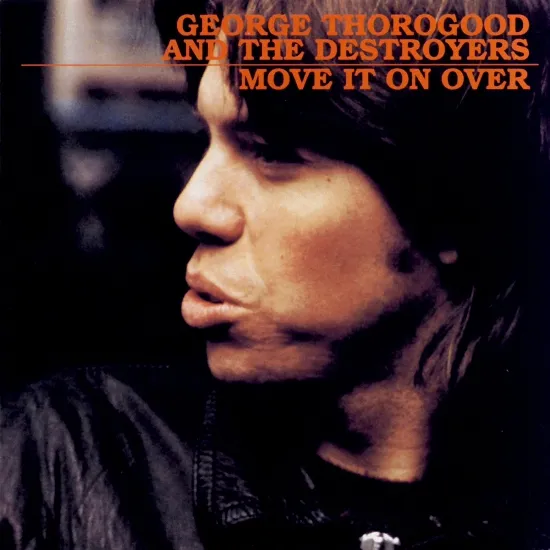
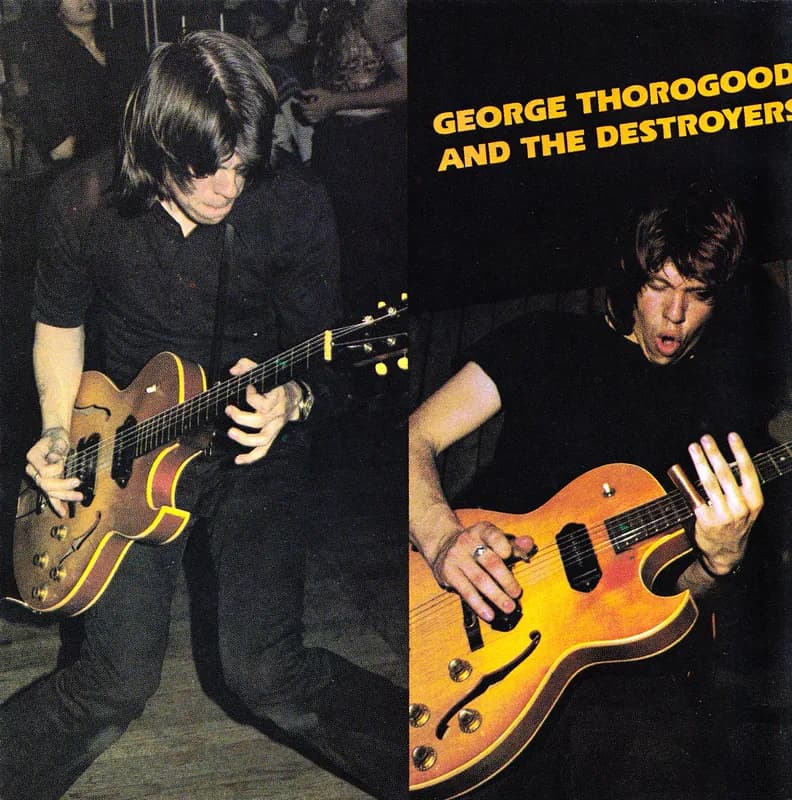
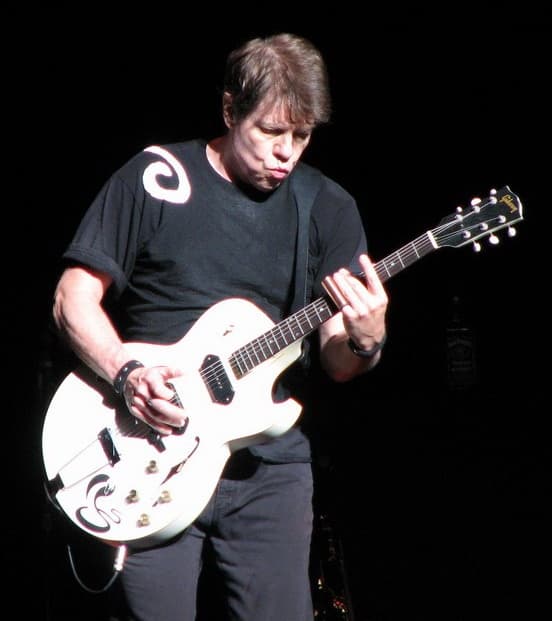
Shares blues rock, classic rock, hard rock (subgenres); confident, rebellious, playful (moods)
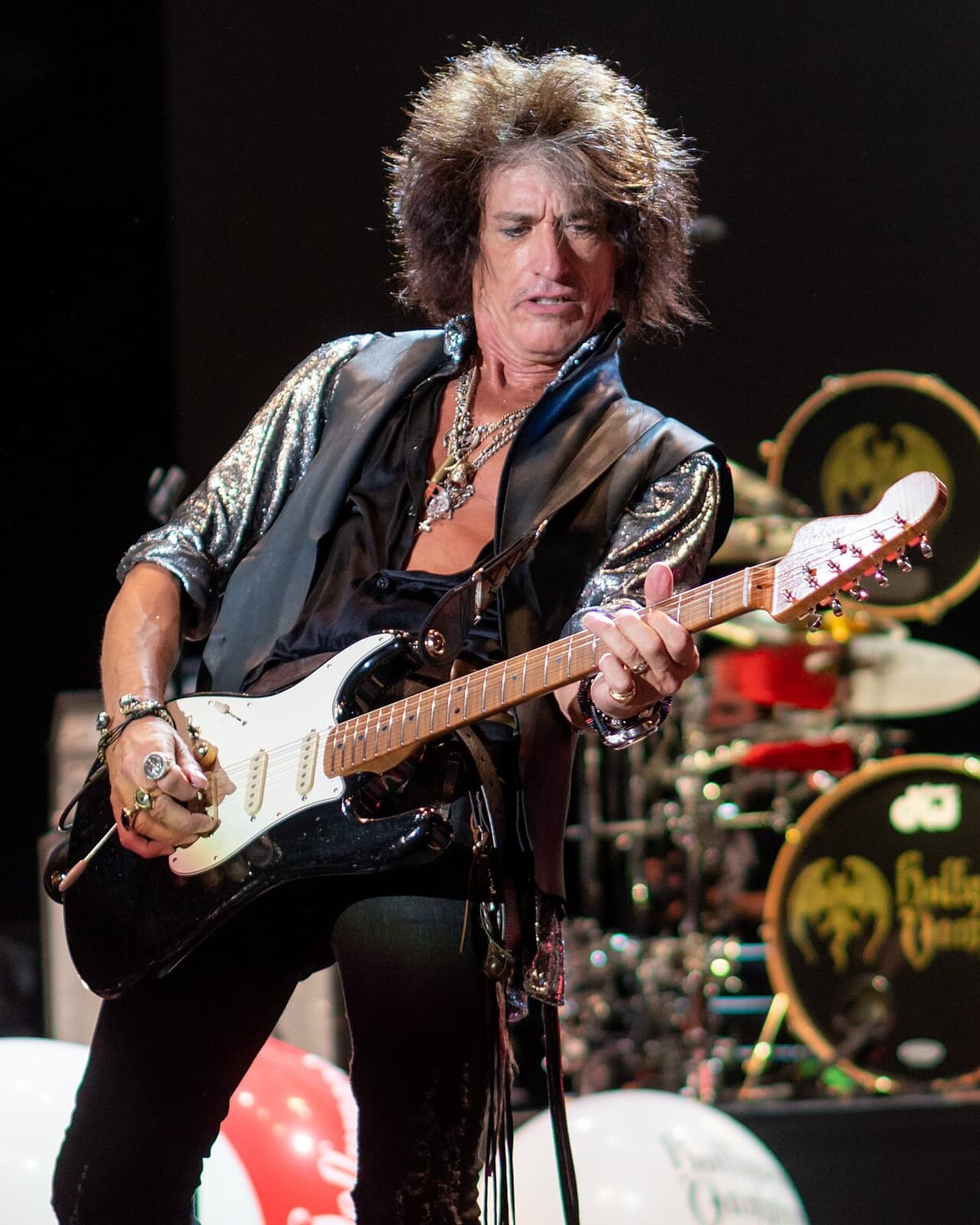
Shares blues rock, classic rock, hard rock (subgenres); analog_warmth, live_recording, studio_polished (production style)
Shares hard rock, blues rock, classic rock (subgenres); confident, rebellious, playful (moods)
Shares confident, rebellious, playful (moods); blues rock, classic rock, boogie-woogie (subgenres)
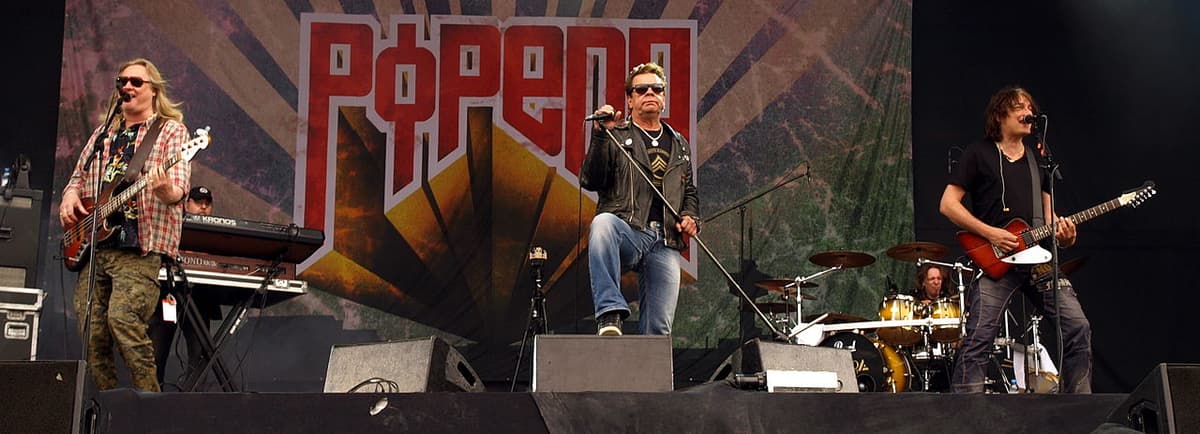
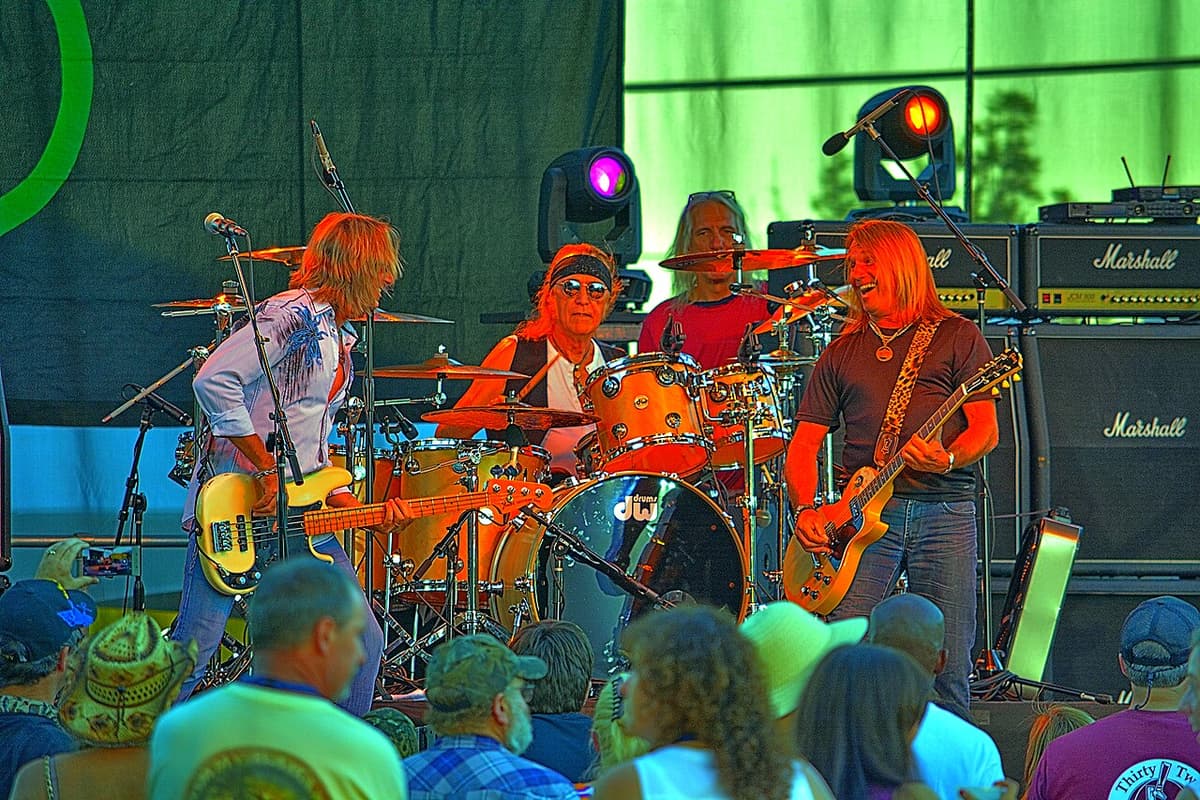
Shares blues rock, classic rock, boogie-woogie (subgenres); live_recording, analog_warmth, dry_intimate (production style)
Shares blues rock, classic rock, hard rock (subgenres); dive_bar, road_trip, basement_show (atmosphere)
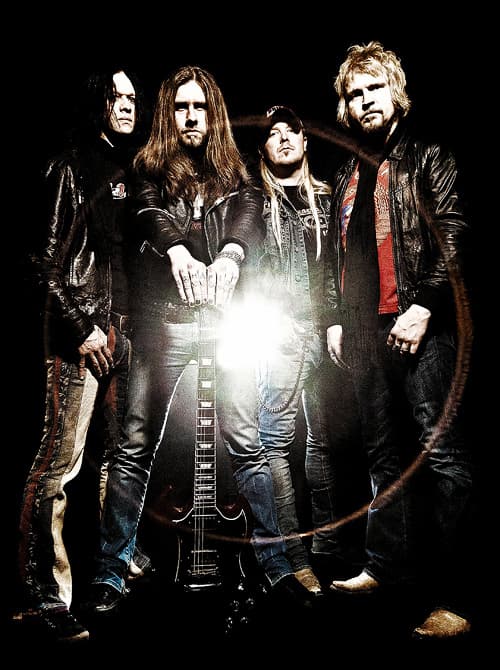
Shares boogie-woogie, dive_bar, gravelly, harmonica (signature)
Cassette uses generative AI to enrich its catalog. How we use AI →