Ghibli is primarily the moniker of Edmonton-based musician Thomas Michael, though the name is shared with a mid-80s Italo-disco duo. Michael's work emerged during the height of the chillwave and glo-fi movement of the early 2010s, aligning him with the aesthetic sensibilities of artists like Washed Out and Toro y Moi.
His sound identity is built on a foundation of analog synth-pop, characterized by heavy reverb, side-chain compression, and a lo-fi production style that emphasizes 'warmth' over 'clarity.' Throughout his career, particularly on releases like 'Clubs' and '2011,' Michael has explored the intersection of dance-oriented rhythms and introspective, almost shoegaze-adjacent atmospheres. Critically, his work is viewed as a successful Canadian contribution to the bedroom-pop evolution, praised for its ability to maintain emotional resonance despite the heavily processed and obscured nature of the vocals. The project remains a cult favorite among crate-diggers of the blog-era electronic scene.


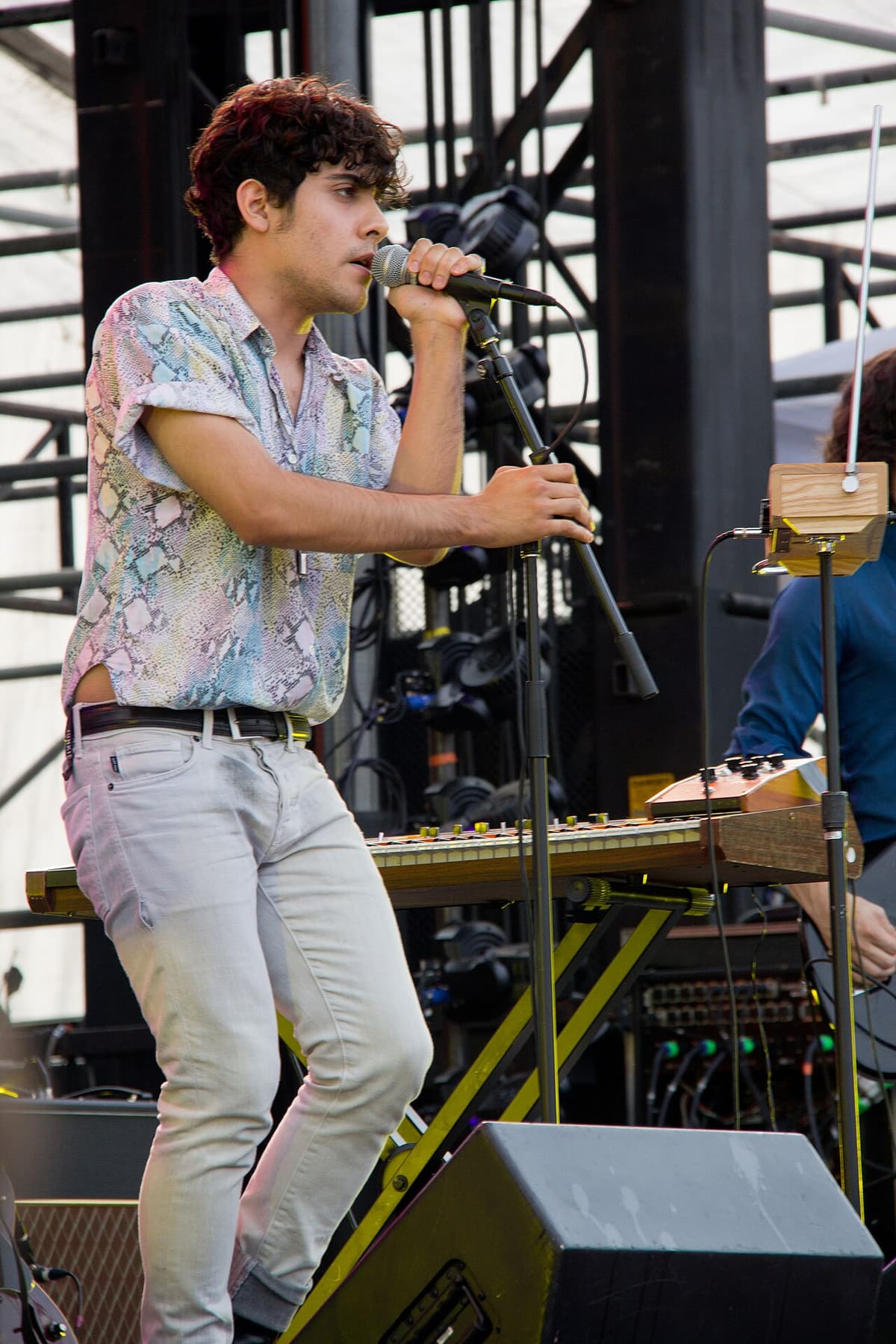
Shares lo_fi, tape_saturation, reverb_heavy (production style); nostalgic, dreamy, bittersweet (moods)
Shares lo_fi, tape_saturation, reverb_heavy (production style); nostalgic, dreamy, bittersweet (moods)
Shares nostalgic, dreamy, bittersweet (moods); synth-pop, disco (subgenres)
Shares nostalgic, dreamy, bittersweet (moods); summer, dusk, golden_hour (atmosphere)
Shares nostalgic, dreamy, bittersweet (moods); lo_fi, tape_saturation, reverb_heavy (production style)
Shares nostalgic, dreamy, bittersweet (moods); lo_fi, tape_saturation, reverb_heavy (production style)
Shares nostalgic, dreamy, bittersweet (moods); lo_fi, tape_saturation, reverb_heavy (production style)
Shares nostalgic, dreamy, bittersweet (moods); lo_fi, tape_saturation, reverb_heavy (production style)
Shares sun-bleached synth pads, tape_saturation, dusty, dusk (detail)
Cassette uses generative AI to enrich its catalog. How we use AI →