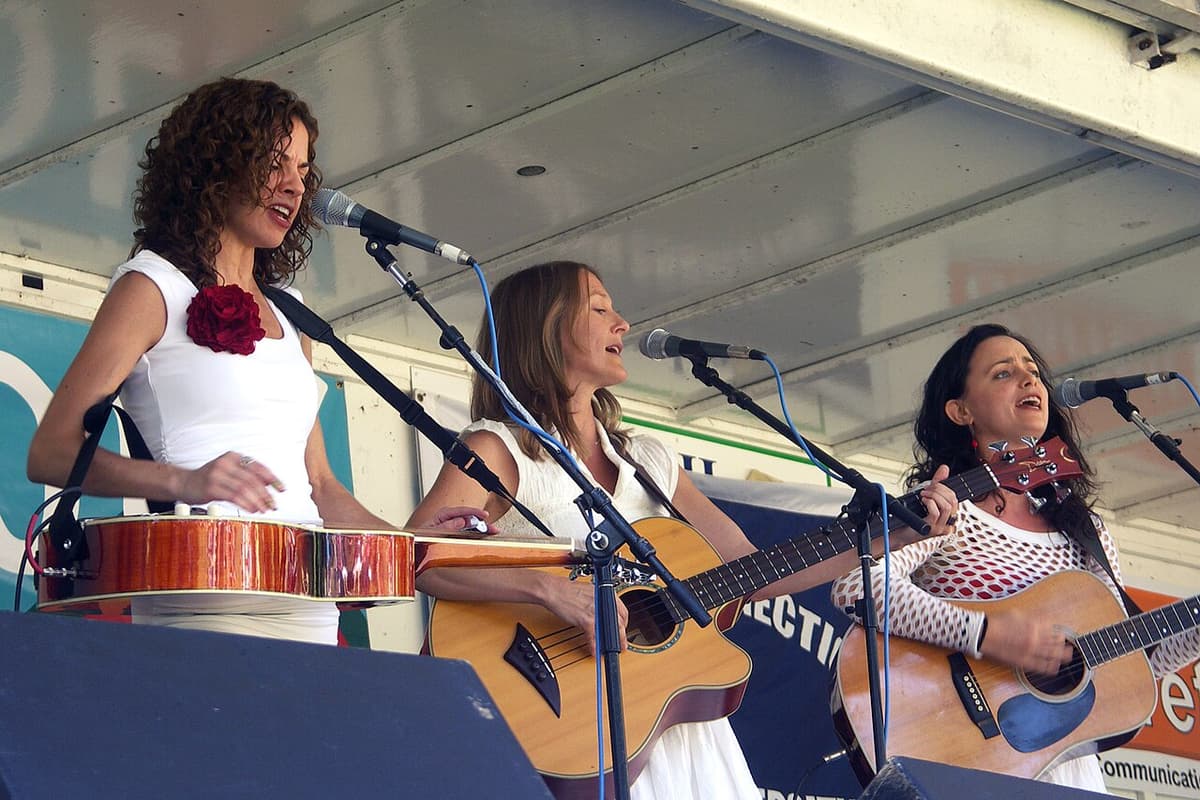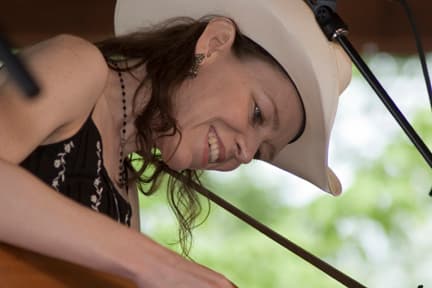
Gillian Welch
Sparse, haunting folk that sounds like a rediscovered field recording. Intimate acoustic guitars and ghostly harmonies for quiet rooms and long, dusty roads.
Sparse, haunting folk that sounds like a rediscovered field recording. Intimate acoustic guitars and ghostly harmonies for quiet rooms and long, dusty roads.
Gillian Welch is a foundational figure in the modern Americana movement, known for a style that critics describe as 'American Primitive.' Despite her New York upbringing and UCLA education, Welch successfully inhabited the persona of a rural troubadour, sparking early debates about authenticity that were eventually silenced by the sheer craftsmanship of her songwriting.
Her partnership with David Rawlings is one of the most celebrated in folk history, characterized by their 'telepathic' vocal harmonies and Rawlings' use of a 1935 Epiphone Olympic guitar to provide sharp, angular leads. Her career arc is defined by a commitment to slow, deliberate output, often waiting years between albums to ensure the material meets her exacting standards. Culturally, she acted as a bridge between the traditional bluegrass world and the indie-rock scene of the 1990s and 2000s, famously contributing to the 'O Brother, Where Art Thou?' soundtrack which revitalized interest in old-time music. Her influence is vast, touching artists from The Decemberists to Phoebe Bridgers, and she remains a critical darling for her ability to make new songs sound like centuries-old standards.
Shares sparse_bare, bluegrass, banjo, cabin_in_woods (signature)
Shares bluegrass, banjo, brooding, cabin_in_woods (subgenre)
Shares bluegrass, sparse_bare, banjo, chamber folk (subgenre)
Shares bluegrass, mandolin, banjo, cabin_in_woods (subgenre)
Shares bluegrass, banjo, harmonica, cabin_in_woods (subgenre)
Cassette uses generative AI to enrich its catalog. How we use AI →