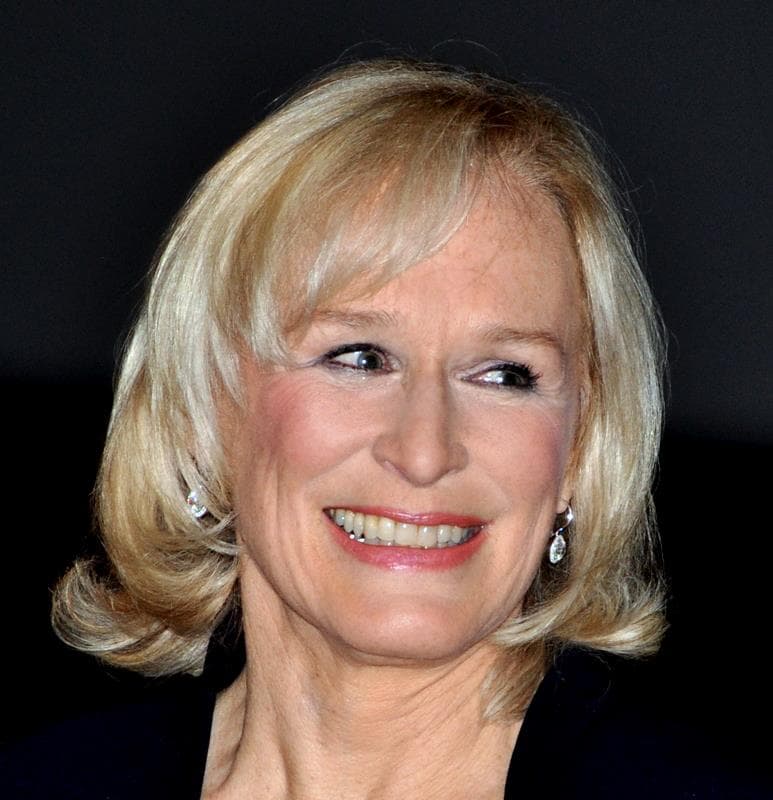
Glenn Close
Grand, theatrical vocals that command the room. A masterclass in dramatic storytelling through song, ranging from intimate whispers to soaring orchestral peaks.
Grand, theatrical vocals that command the room. A masterclass in dramatic storytelling through song, ranging from intimate whispers to soaring orchestral peaks.
Listening to Glenn Close is an exercise in dramatic immersion. Her voice carries the weight of the stage, possessing a rich, classically trained texture that feels both authoritative and deeply vulnerable. Whether she is navigating the tragic grandeur of a Broadway showstopper or the measured cadence of a spoken-word narration, there is a palpable sense of 'performance' that elevates the music into a cinematic experience.
What sets her apart is the precision of her delivery. Unlike pop vocalists who might prioritize a hook, Close treats every syllable as a plot point. Her use of vibrato is intentional and controlled, often building toward massive, emotional crescendos that feel earned rather than forced. There is a specific 'theatrical gravity' here, where the silence between notes is just as important as the notes themselves.
Start with her recordings from Sunset Boulevard to hear her at the height of her musical powers. It captures the perfect intersection of her acting prowess and her vocal range, showcasing how she can inhabit a character so completely that the music becomes a living, breathing narrative.
Glenn Close (born March 19, 1947) is an American actress. In a career spanning five decades on screen and stage, she has received numerous accolades, including three Primetime Emmy Awards, three Tony Awards and three Golden Globe Awards, in addition to nominations for eight Academy Awards, three Grammy Awards, and two British Academy Film Awards. She was named by Time as one of the 100 most influential people in the world in 2019. Close gained early recognition for her work on the stage, with her Broadway debut in the play Love for Love (1974), before going on to win three Tony Awards, two for Best Actress in a Play for her roles in the plays The Real Thing (1983) and Death and the Maiden (1992), and one for Best Actress in a Musical, the musical Sunset Boulevard (1995). She received her first Academy Award nomination for her film debut in The World According to Garp (1982), and her first Emmy nomination in 1984 for the television film Something About Amelia. Close's career further progressed throughout the 1980s and 1990s with a number of acclaimed film performances, including The Big Chill (1983), The Natural (1984), Fatal Attraction (1987), Dangerous Liaisons (1988), Reversal of Fortune (1990), The Paper (1994), Mars Attacks! (1996), and Air Force One (1997). During this period, she also portrayed Cruella de Vil in 101 Dalmatians (1996) and its 2000 sequel 102 Dalmatians, and voiced Kala in Tarzan (1999). Close won the Primetime Emmy Award for Outstanding Lead Actress in a Limited Series or Movie for her portrayal of Colonel Margarethe Cammermeyer in Serving in Silence: The Margarethe Cammermeyer Story (1995), followed by two consecutive Primetime Emmy Awards for Outstanding Lead Actress in a Drama Series for playing Patty Hewes in Damages (2007–2012). In film, Close gained continued recognition in the 21st century for her roles in Albert Nobbs (2011), The Wife (2017), Hillbilly Elegy (2020), and Wake Up Dead Man (2025). Close is the president of Trillium Productions and co-founder of the website FetchDog. She has made political donations in support of Democratic politicians and is vocal on issues such as women's rights, same-sex marriage, and mental health. Married three times, she has one daughter, Annie Starke, from her relationship with producer John Starke.
Cassette uses generative AI to enrich its catalog. How we use AI →


